Quick answer
Rats feed on highly opportunistic, adjusting with season, age, and what is abundant in Cities, sewers, farms, riverbanks worldwide. That label is a preferred pattern, not every item an individual might sample.
Key takeaway
Rats feed on highly opportunistic, adjusting with season, age, and what is abundant in Cities, sewers, farms, riverbanks worldwide. That label is a preferred pattern, not every item an individual might sample.
Rat diet overview
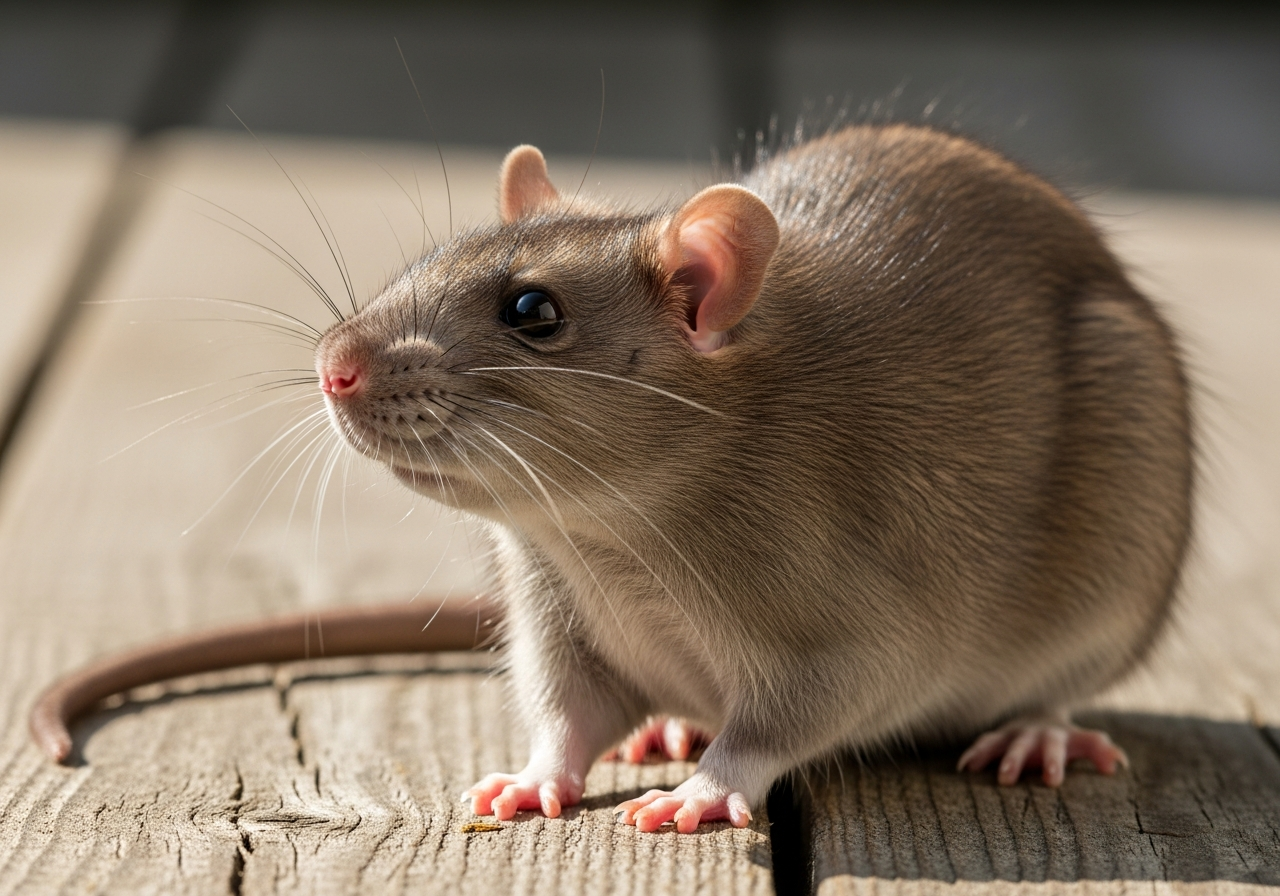
Rats (Rattus norvegicus) are best summarised as Omnivore (highly opportunistic). Anatomy and habitat (Cities, sewers, farms, riverbanks worldwide) decide whether they hunt, graze, filter, scavenge, or mix strategies across the year.
How rats find food
Energy-rich foods are prioritised when available; lean seasons force broader diets or longer travel. Young animals may eat different items or receive food from parents.
Rat role in the food web
As consumers in their food web, rats move nutrients and influence prey or vegetation.
Feeding and human conflict
Never feed wild rats. Habituation raises injury risk and can lead to lethal management. Captive diets must match species needs, not generic pet food rules.
Intelligence and behaviour
Brown rats are among the most intelligent rodents, capable of learning routes, solving simple puzzles, and even showing signs of empathy in laboratory studies. They are highly social, living in colonies with a clear hierarchy, and they are famously neophobic — wary of new objects and foods in their environment, which makes them difficult to trap or poison. They are also excellent swimmers and can climb, gnaw through
Diet and adaptability
As opportunistic omnivores, brown rats eat almost anything, from grain, fruit, and seeds to meat, refuse, and insects. This flexible diet, combined with rapid breeding and a tolerance for human environments, has made the brown rat one of the most successful mammals on the planet. A colony can grow quickly wherever food and shelter are available.
Sources
Rat FAQs
What do rats eat?
Rats feed on highly opportunistic, adjusting with season, age, and what is abundant in Cities, sewers, farms, riverbanks worldwide. That label is a preferred pattern, not every item an individual might sample.
What is the scientific name of the rat?
Rattus norvegicus — used in research and conservation listings for rats.
Where do rats live?
They are associated with Cities, sewers, farms, riverbanks worldwide. Local presence depends on food, cover, and human land use.
What is the conservation status of rats?
Listed in our guides as Least Concern. Check the IUCN Red List and national assessments for the latest formal category.
Who this page is for.This page is about wild diet. Skip it if you need a captive feeding plan from a veterinarian.