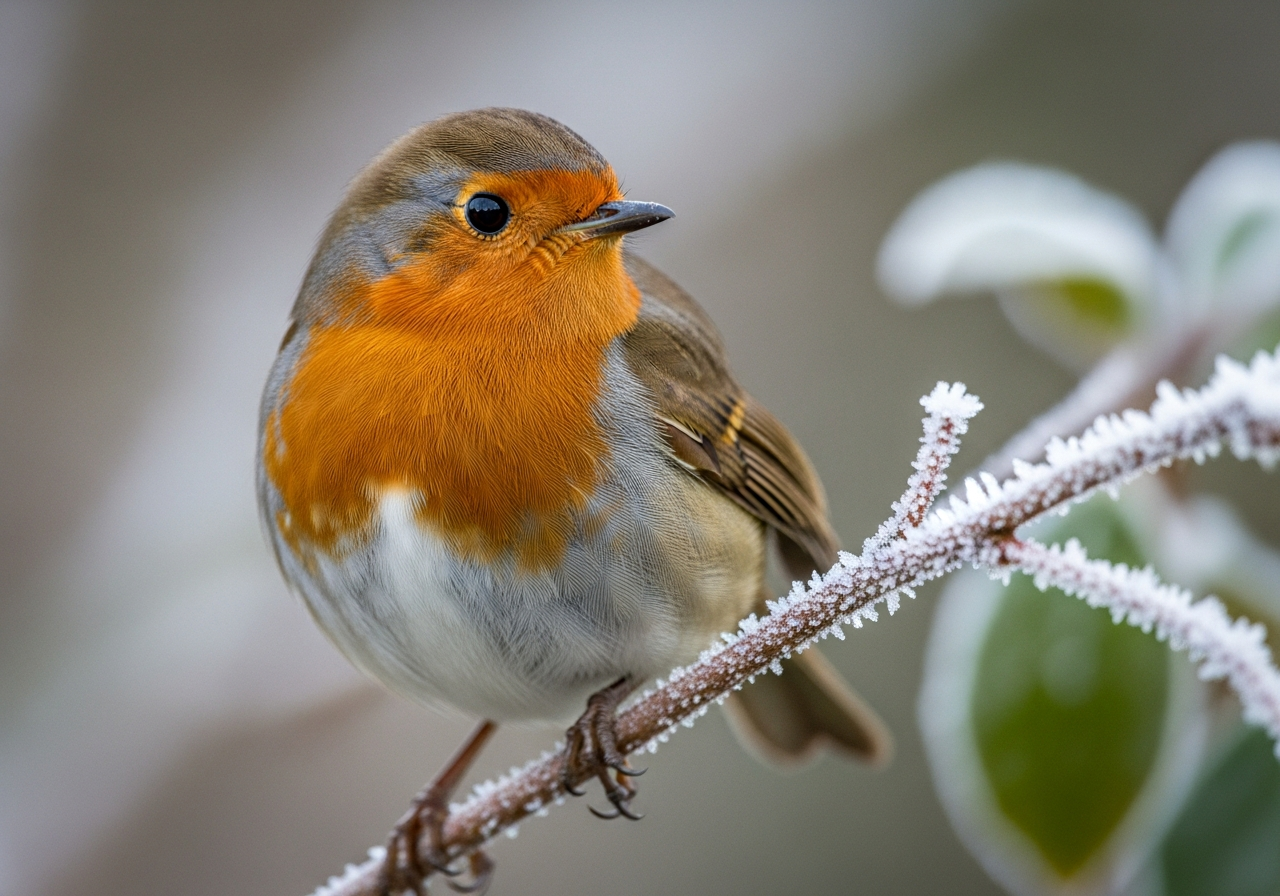
The European robin (Erithacus rubecula) is a bird of the family Muscicapidae, in the order Passeriformes.
Quick answer
The European robin (Erithacus rubecula) is a small, round garden bird instantly known by its orange-red breast and face. Found across woodland, gardens, parks, and hedgerows throughout Britain and Europe, it measures about 14 cm long and weighs just 16 to 22 g. This bold, territorial omnivore eats insects, worms, seeds, and berries, and though many die young it can live up to 8 years. It is listed as Least Concern.
Top questions about the European Robin
European Robin facts at a glance
- Weight 20 g
- Length 14 cm
- Top speed 30 km/h
- Lifespan 8 years
| Scientific name | Erithacus rubecula |
|---|---|
| Diet | Omnivore (insects, worms, seeds, berries) |
| Habitat | Woodland, gardens, parks, hedgerows |
| Lifespan | About 2 years average (up to 8) |
| Weight | 16–22 g (0.6–0.8 oz) |
| Wingspan | 20–22 cm (8–9 in) |
| Conservation status | Least Concern (IUCN) |
| Kingdom | Animalia |
|---|---|
| Phylum | Chordata |
| Class | Aves |
| Order | Passeriformes |
| Family | Muscicapidae |
| Genus | Erithacus |
Where it lives
The european robin (Erithacus rubecula) is native to Woodland, gardens, and parks across Europe, parts of North Africa, and western Asia; resident throughout the UK year-round. — recorded across Europe, Asia, Africa in this guide’s range summary.
For occurrence records, see GBIF species search and sources below.
How big is a european robin?
An adult european robin measures 14 cm long — about 8% of the height of an average adult person (1.73 m) — and weighs around 20 g, a small fraction of an average adult’s body weight (70 kg).
Length vs an average adult’s height (to scale)
What is a group of european robins called?
Group name (collective noun)
A group of European Robins is called a round. It is also known as a worm or a breast.
Baby name
A baby European Robin is called a chick.
Explore more animal collective nouns and baby animal names .
Appearance and identification
The robin is a plump little bird about 14 cm long with a wingspan of 20 to 22 cm and a weight of only 16 to 22 g. Its warm orange-red breast and face, bordered by soft blue-grey, make it one of the easiest garden birds to recognise. Males and females look alike, so the sexes cannot be told apart by plumage. Young robins lack the red altogether and are speckled brown, which helps protect them from territorial adults.
Territory and bold behaviour
Robins are fiercely territorial and will defend a patch year-round, one of the few British birds to hold territory and sing through the winter. The red breast is a signal used in disputes, and males may fight vigorously, occasionally to the death, over boundaries. Their tameness towards people is famous: a robin will often follow a gardener closely to snatch worms and grubs turned up by the spade. This habit grew from a natural instinct to follow large animals such as wild boar that disturb the soil.
Song and communication
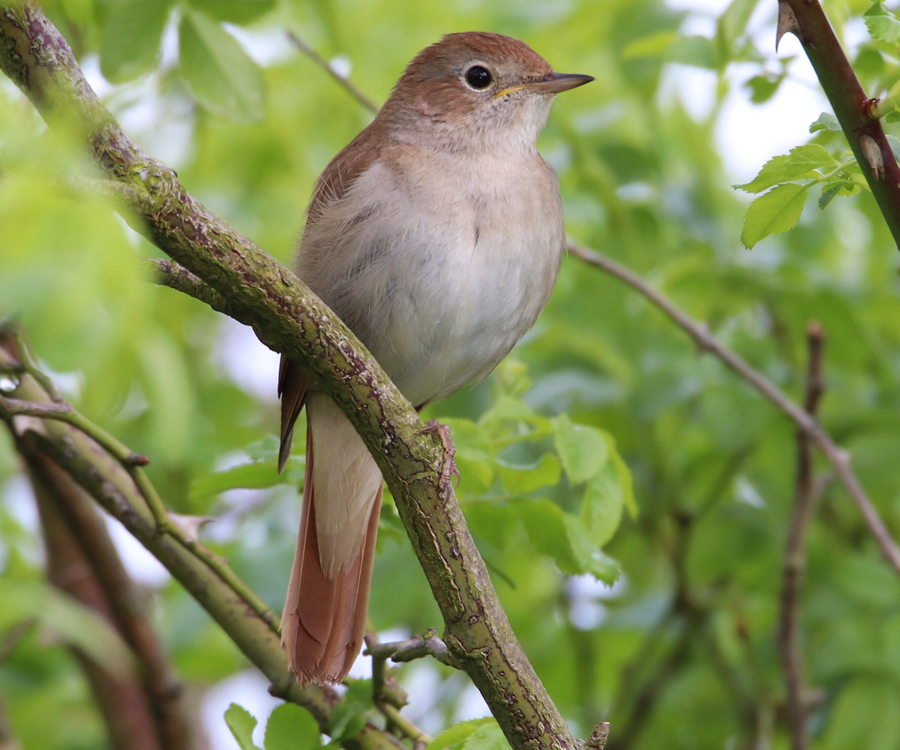
The robin has a sweet, wistful, warbling song delivered from an exposed perch throughout much of the year. Both males and females sing in autumn and winter to hold feeding territories, which is unusual among songbirds. In spring the male's song becomes richer and more urgent as he advertises for a mate. Robins will even sing at night under streetlights, sometimes mistaken for a nightingale.
Diet and feeding
The European robin is an omnivore that feeds heavily on insects, spiders, and earthworms, especially in the breeding season. In autumn and winter it turns more to seeds, fruit, and berries, and readily visits garden feeders and bird tables. It hunts by perching low, watching the ground, then dropping to seize prey. Robins are among the first birds to visit freshly dug soil in search of exposed invertebrates.
Nesting and breeding
Robins nest low down in sheltered spots, from ivy and hedge banks to sheds, kettles, and old boots left in a garden. The female builds a cup of moss, leaves, and hair and lays a clutch of four to six eggs, often raising two or more broods a season. Chicks fledge after about two weeks but rely on their parents for a while longer. Many robins die in their first year, which is why the average lifespan is short even though individuals can reach 8 years.
Cultural role and status
The robin is Britain's unofficial national bird and a fixture of Christmas cards, a link that dates to Victorian postmen in red coats nicknamed 'robins'. It is a common and widespread species listed as Least Concern by the IUCN. British robins are largely resident, while many from colder parts of Europe migrate south and west for winter. Continental robins tend to be shyer than the confiding birds of British gardens.
Dig deeper into the European Robin
- European Robin: Key Facts
European Robins (Erithacus rubecula) are birds found across Europe, Asia, Africa. Britain's beloved red-breasted garden bird.
- How Fast Is An European Robin?
European Robin top speed is about about 30 km/h. Sprint vs endurance and what limits pace.
- How Long Do European Robins Live?
European Robin lifespan is typically About 2 years average (up to 8). What shortens or extends life, life stages, and status (Least Concern).
- What Do European Robins Eat?
What European robins eat: Omnivore (insects, worms, seeds, berries), foraging style, and seasonal shifts in Woodland, gardens, parks, hedgerows.
- Where Do European Robins Live?
Where European robins live: Woodland, gardens, parks, hedgerows, native range cues, and human overlap. Status Least Concern.
Explore the European Robin
Close relatives
- Nightingale Same family
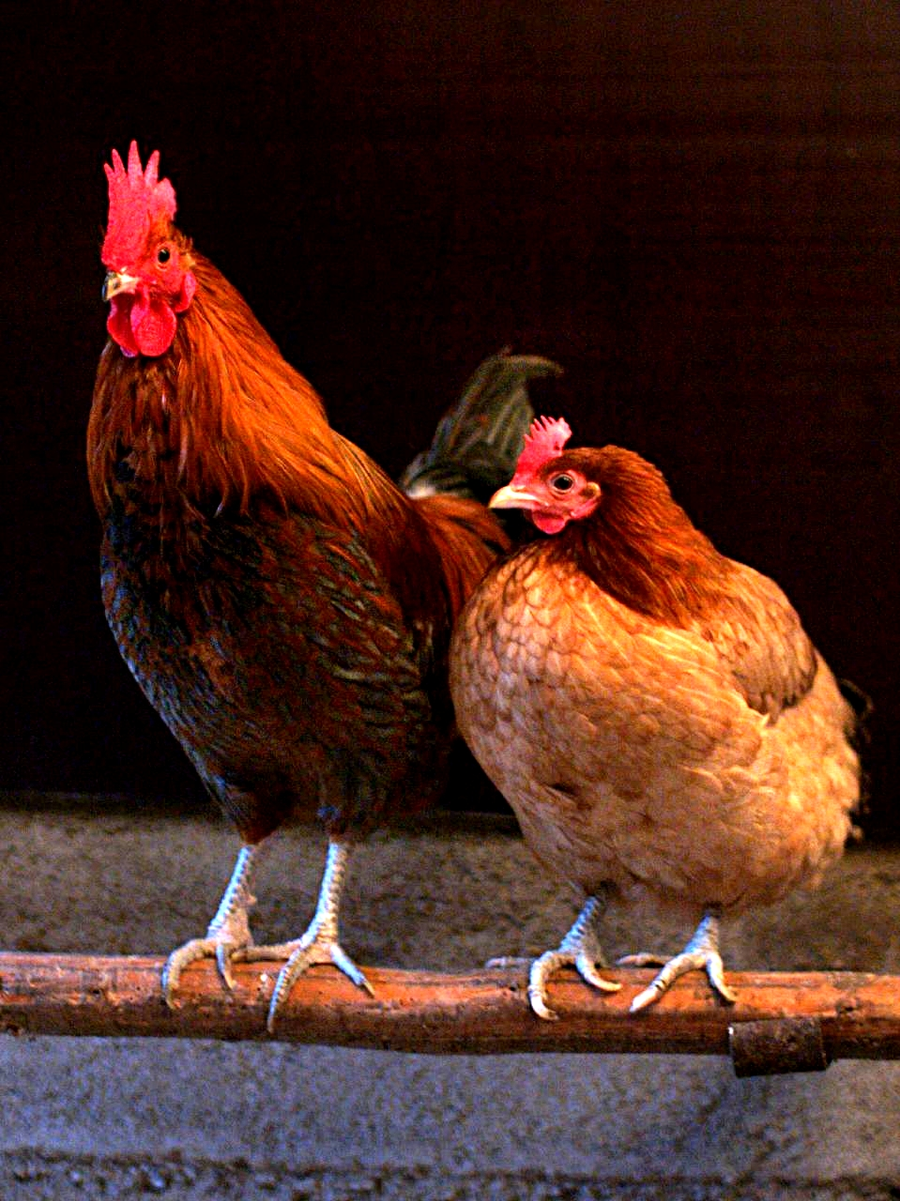
- Canary Same order
- House Sparrow Same order
- Superb Lyrebird Same order
Range & geography
Did you know? European Robin facts
- The European robin is a small, round garden bird instantly recognised by its bright orange-red breast and face.
- A group of robins is called a round, a worm, or a breast of robins. Robins are territorial and usually seen alone or in pairs, and a baby robin is called a chick.
- The orange-red breast is a signal used to defend territory. Robins display it to warn off rivals, and the brighter and bolder the display, the more likely a dispute is settled without a fight.
- No. The European robin is a small flycatcher relative, while the American robin is a large thrush. They are unrelated and were simply given the same name because both have reddish breasts.
- Yes. Robins often sing at night, especially in towns where streetlights and quiet after dark encourage them. They are among the few birds that sing through autumn and winter to defend their territory.
- Conservation: Least Concern (IUCN).
Diet & feeding
European Robin feeds primarily as a omnivore (insects, worms, seeds, berries). European robins are omnivores that eat insects, spiders, worms, seeds, and berries. They have learned to associate digging with food, which is why a robin will perch close by and dart in to grab worms whenever soil is turned over. In woodlan
Adaptations
- Robins are unusually bold and aggressively territorial. Both males and females hold and defend territories in winter, which is why robins sing through the colder months when most other birds are silent — that bright red breast is a warning flag in disputes, and fights between rivals can occasionally be fatal. Their clear, wistful song is one of the first heard at dawn and the last at dusk, and they will even sing under streetlights at night.
- European robins are omnivores that eat insects, spiders, worms, seeds, and berries. They have learned to associate digging with food, which is why a robin will perch close by and dart in to grab worms whenever soil is turned over. In woodland they originally followed wild boar and large mammals for the same reason, and that instinct now makes them a familiar companion in the garden.
Behaviour & ecology
- Robins are unusually bold and aggressively territorial. Both males and females hold and defend territories in winter, which is why robins sing through the colder months when most other birds are silent — that bright red breast is a warning flag in disputes, and fights between rivals can occasionally be fatal. Their clear, wistful song is one of the first heard at dawn and the last at dusk, and they will even sing under streetlights at night.
- European robins are omnivores that eat insects, spiders, worms, seeds, and berries. They have learned to associate digging with food, which is why a robin will perch close by and dart in to grab worms whenever soil is turned over. In woodland they originally followed wild boar and large mammals for the same reason, and that instinct now makes them a familiar companion in the garden.
- The robin lives across Europe, into western Asia, and parts of North Africa, in woodland, hedgerows, parks, and gardens. British robins are mostly resident year-round, while many from colder parts of Europe migrate south for winter. Long associated with Christmas in Britain — a link dating to Victorian postmen in red uniforms nicknamed 'robins' — it became the UK's unofficial national bird.
Communication
- European Robin uses calls and visual displays to communicate territory, alarm, and breeding status.
- Vocal repertoires vary by species and are often learned or refined during development.
Habitat & range
Woodland, gardens, parks, hedgerows
Ecological role
European Robin contributes to seed dispersal, insect control, or nutrient cycling depending on diet and foraging habits.
Conservation status of the European Robin
The european robin (Erithacus rubecula) is listed as Least Concern on the IUCN Red List. Least Concern (LC) is the IUCN's lowest-risk category, assigned to widespread, abundant species that have been evaluated and found not to be threatened. It does not mean a species faces no pressures — only that it is not currently at risk of extinction.
The european robin (Erithacus rubecula) is assessed on the IUCN Red List. Look up on the IUCN Red List .
Frequently asked questions about the European Robin
How long do European robins live?
A robin can live up to about 8 years, but the average lifespan is only around 2 years. High mortality in the first year, from cold, predators, and territorial fights, keeps the typical lifespan short.
What do robins eat?
Robins are omnivores that eat insects, spiders, and earthworms, along with seeds, fruit, and berries. In winter they rely more on seeds and readily visit garden feeders and bird tables.
Are male and female robins different?
No, male and female robins look identical, both showing the same orange-red breast and face. They cannot be reliably told apart by appearance. Young robins are speckled brown and lack the red until their first autumn.
Why are robins so tame around people?
Robins follow gardeners to grab worms and grubs turned up by digging. This comes from a natural habit of trailing large animals like wild boar that disturb the soil, which people have replaced in the garden.
Do robins sing in winter?
Yes. Robins are one of the few British birds to sing throughout winter, when both males and females defend feeding territories. Their song can even be heard at night near streetlights.
Why is the robin linked to Christmas?
The connection dates to Victorian Britain, when postmen wore red coats and were nicknamed 'robins'. The bird began appearing on Christmas cards delivered by these postmen, and the association has stuck ever since.
What is a group of european robins called?
A group of European Robins is called a round. It is also known as a worm or a breast.
What is a baby european robin called?
A baby European Robin is called a chick.
Sources & references
This guide is compiled and reviewed against established zoological and conservation references. Key sources for the European Robin:
-
IUCN Red List of Threatened Species
Conservation status (Least Concern) reflects the IUCN Red List category for Erithacus rubecula.
-
iNaturalist — observations & photos
Search citizen-science observations and community IDs for Erithacus rubecula. Useful for range checks and recent sightings — not a substitute for formal Red List status.
-
GBIF — occurrence data
Global Biodiversity Information Facility species search for Erithacus rubecula. Explore published occurrence records used in range research.
-
eBird — bird observations
Cornell Lab eBird target search for European Robin. Check recent checklists and seasonal abundance where birders report this species.
- IUCN Red List — Erithacus rubecula.
Conservation status (Least Concern) and population trends.
- Animal Diversity Web — Erithacus rubecula. University of Michigan Museum of Zoology.
Life history, morphology, and range.
- Wikipedia — European Robin.
General taxonomy and overview (cross-check primary sources).
-
Global Animal Guide editorial standards
How we research, source, review, and update every guide for accuracy.