Image sourcing: see credits & licences
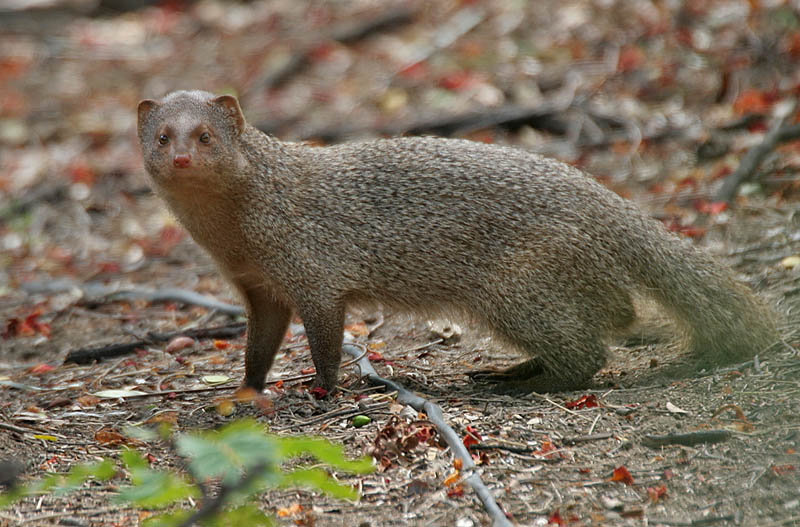
The banded mongoose (Mungos mungo) is a mammal of the family Herpestidae, in the order Carnivora.
Quick answer
The banded mongoose is a small, highly social carnivore-leaning omnivore of sub-Saharan Africa's savannas and open woodlands. Named for the dark bands across its back, it weighs 1.5 to 2.5 kg and measures around 0.45 m in body length. It lives in bustling groups that forage together and famously takes on snakes with speed and agility. The IUCN lists the banded mongoose as Least Concern.
Top questions about the Banded Mongoose
Also available in Español (Mangosta rayada)
Banded Mongoose facts at a glance
- Weight 2 kg
- Length 45 cm
- Top speed 32 km/h
- Lifespan 10 years
| Scientific name | Mungos mungo |
|---|---|
| Diet | Omnivore — insects, rodents, reptiles, eggs, and fruit |
| Habitat | Savannas and open woodlands of sub-Saharan Africa |
| Lifespan | 8–10 years in the wild |
| Weight | 1.5–2.5 kg (3.3–5.5 lb) |
| Top speed | Up to 32 km/h (20 mph) |
| Conservation status | Least Concern (IUCN) |
| Kingdom | Animalia |
|---|---|
| Phylum | Chordata |
| Class | Mammalia |
| Order | Carnivora |
| Family | Herpestidae |
| Genus | Mungos |
Where it lives
The banded mongoose (Mungos mungo) is native to Banded mongoose in sub-Saharan savannas from Senegal and Ethiopia to Botswana and South Africa. — recorded across Africa in this guide’s range summary.
For occurrence records, see GBIF species search and sources below.
How big is a banded mongoose?
An adult banded mongoose measures 45 cm long — about 26% of the height of an average adult person (1.73 m) — and weighs around 2.0 kg, about 3% of an average adult’s body weight (70 kg).
Length vs an average adult’s height (to scale)
What is a group of banded mongooses called?
Group name (collective noun)
A group of Banded Mongooses is called a troop.
Baby name
A baby Banded Mongoose is called a pup.
Explore more animal collective nouns and baby animal names .
Appearance and identity
The banded mongoose is a compact, ground-dwelling mammal with coarse greyish-brown fur crossed by a series of dark bands running across its back, which give the species its name. It has a slender body, short legs, and strong claws well suited to digging out prey. Adults weigh between 1.5 and 2.5 kg and reach about 0.45 m in body length, plus a tapering tail. Its low, quick build lets it move with the darting agility for which mongooses are famous.
Diet and foraging
The banded mongoose is an omnivore, though most of its diet is animal prey. It feeds mainly on insects and their larvae, along with rodents, reptiles, eggs, and some fruit. Foraging groups spread out across the ground, sniffing and digging through leaf litter and soil to unearth beetles, millipedes, and grubs. They have learned clever tricks such as smashing eggs and hard-shelled prey against rocks to break them open.
Facing snakes and predators
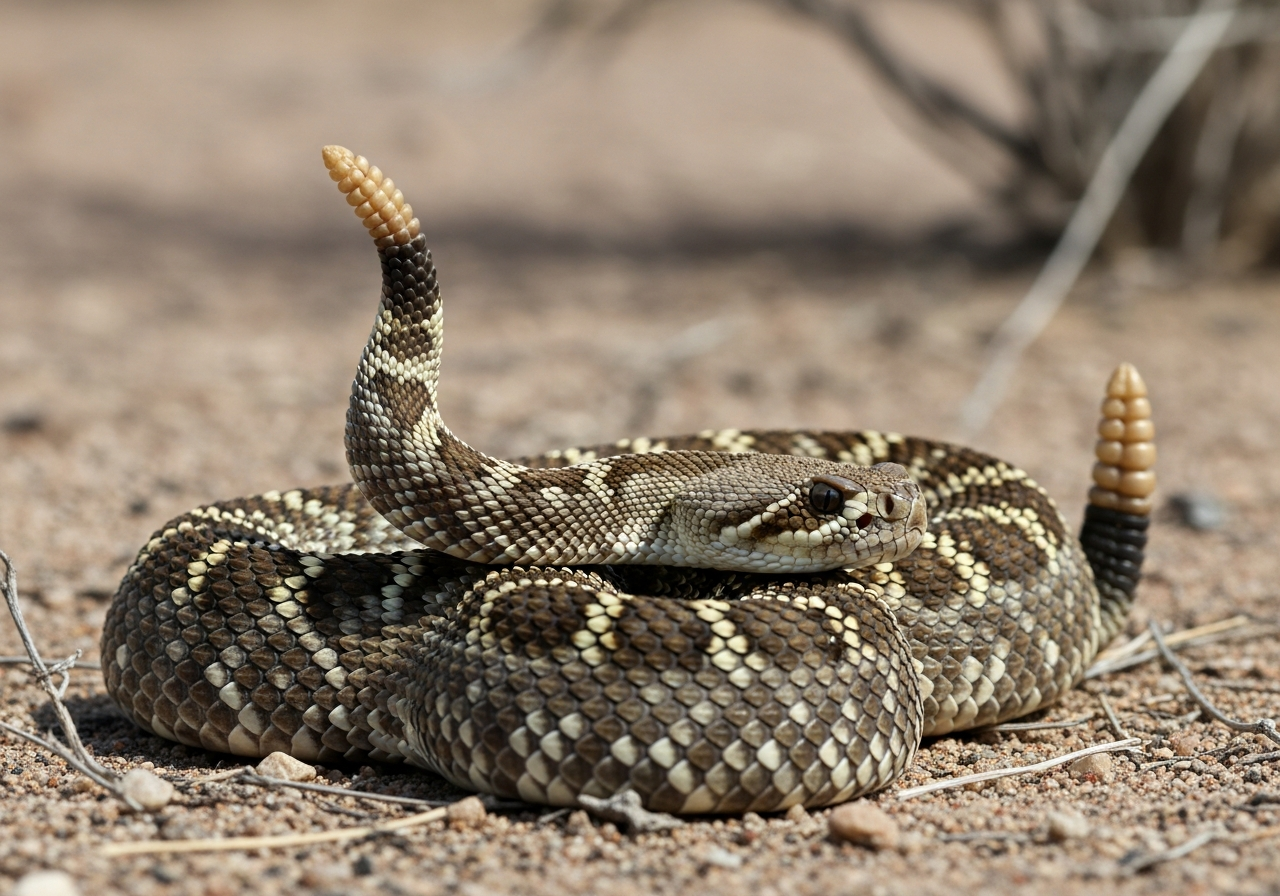
Mongooses are celebrated for their boldness against snakes, and the banded mongoose will mob and harry serpents that stray too close to the group. Their speed, agility, and thick fur help them dodge strikes, though they are not truly immune to venom in the way some myths suggest. Against larger predators such as birds of prey and jackals, safety lies in numbers, with sentries watching while others feed. When threatened, the whole group may bunch together and advance as one to appear larger and more dangerous.
Breeding and young
Unusually, most females in a banded mongoose group often give birth around the same time, producing a communal litter of pups. The young are raised cooperatively, with adults taking turns to guard the den while others forage. Each pup may form a bond with a particular adult 'escort' that feeds, grooms, and protects it as it learns to find food. This shared care helps explain why so many pups survive in a busy, competitive group.
Range and conservation
The banded mongoose is widespread across the savannas and open woodlands of sub-Saharan Africa, wherever there is cover, food, and den sites. It adapts well to a range of habitats and is not currently threatened, which is why the IUCN lists it as Least Concern. Its populations remain healthy and even thrive near human settlements in some areas. In the wild, banded mongooses live around 8 to 10 years.
Dig deeper into the Banded Mongoose
- How Fast Is A Banded Mongoose?
Banded Mongoose top speed is up to about 32 km/h (20 mph). Sprint vs endurance and what limits pace.
- How Long Do Banded Mongooses Live?
Banded Mongoose lifespan is typically 8–10 years in the wild. What shortens or extends life, life stages, and status (Least Concern).
- Banded Mongoose: Key Facts
The banded mongoose is a social African carnivore famous for confrontations with venomous snakes, though cobra hunting is more myth than daily diet.
- What Do Banded Mongooses Eat?
What banded mongooses eat: Omnivore — insects, rodents, reptiles, eggs, and fruit, foraging style, and seasonal shifts in Savannas and open woodlands of sub-Saharan Africa.
- Where Do Banded Mongooses Live?
Where banded mongooses live: Savannas and open woodlands of sub-Saharan Africa, native range cues, and human overlap. Status Least Concern.
Explore the Banded Mongoose
Range & geography
Did you know? Banded Mongoose facts
- Banded mongooses are social African carnivores famous for attacking venomous snakes with quick reflexes.
- They often win against cobras but can be killed — outcomes depend on size and experience.
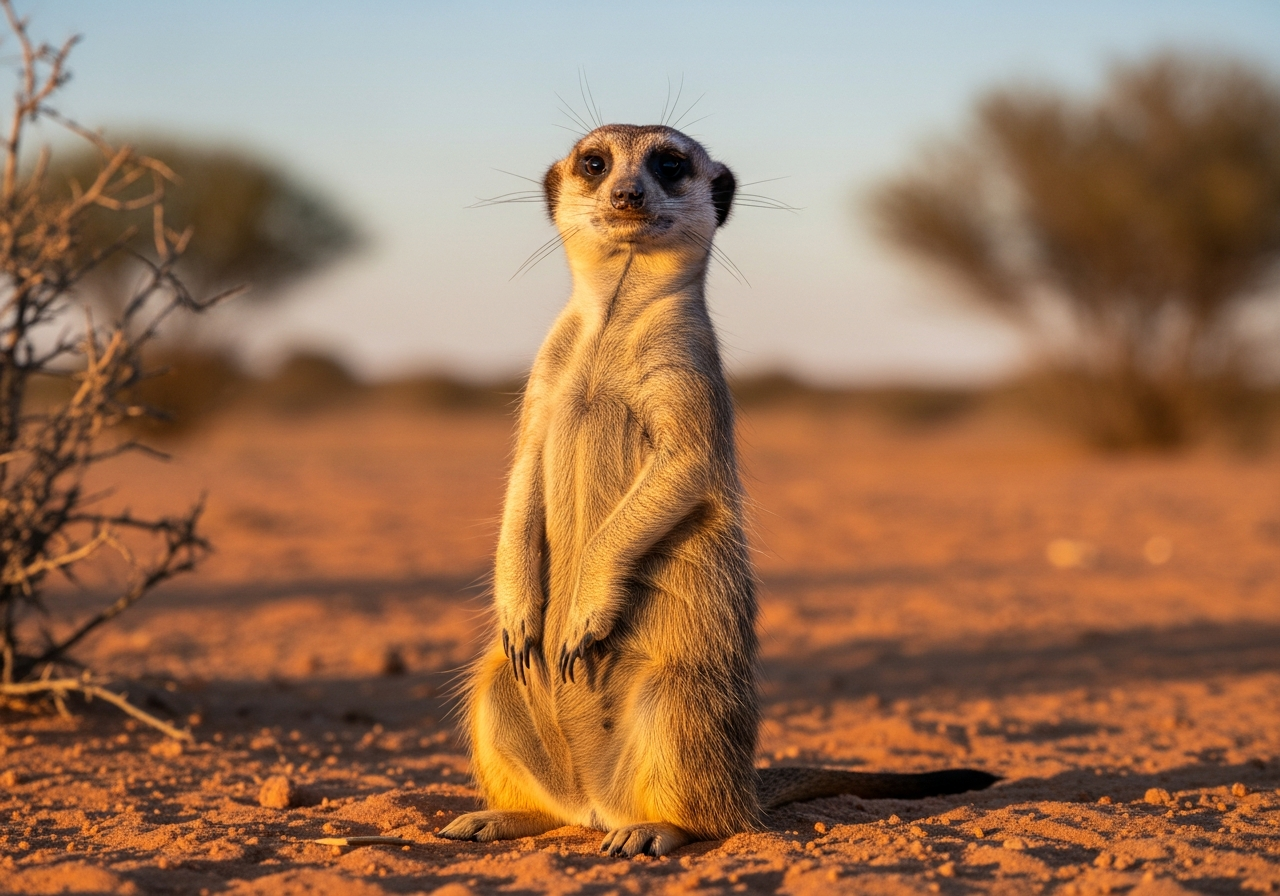
- Yes — meerkats are a smaller mongoose species with similar social behaviour.
- Conservation: Least Concern.
Diet & feeding
Banded Mongoose feeds primarily as a insects, rodents, reptiles, eggs.
Adaptations
- Thick skin and agility help mongooses evade strikes while attacking snakes.
- Groups of 10–40 share babysitting and sentinel duties.
Behaviour & ecology
- Thick skin and agility help mongooses evade strikes while attacking snakes.
- Groups of 10–40 share babysitting and sentinel duties.
Communication
- Banded Mongoose uses scent, posture, and vocal signals to mark territory and coordinate social behaviour.
- Communication intensity often peaks during breeding seasons and territorial disputes.
Habitat & range
African savannas and woodlands
Ecological role
Banded Mongoose plays a recognised ecological role in african savannas and woodlands.
Conservation status of the Banded Mongoose
The banded mongoose (Mungos mungo) is listed as Least Concern on the IUCN Red List. Least Concern (LC) is the IUCN's lowest-risk category, assigned to widespread, abundant species that have been evaluated and found not to be threatened. It does not mean a species faces no pressures — only that it is not currently at risk of extinction.
The banded mongoose (Mungos mungo) is assessed on the IUCN Red List. Look up on the IUCN Red List .
Frequently asked questions about the Banded Mongoose
Can a mongoose really kill a snake?
Yes, mongooses are famous for taking on snakes, using their speed, agility, and quick reflexes to dodge strikes and deliver bites of their own. Banded mongooses often mob snakes as a group, though they are not fully immune to venom and rely mainly on avoiding being bitten.
What do banded mongooses eat?
Banded mongooses are omnivores whose diet is mostly insects and their larvae, along with rodents, reptiles, eggs, and some fruit. They forage in groups, digging through soil and leaf litter and even smashing hard-shelled prey against rocks.
How big is a banded mongoose?
A banded mongoose weighs between 1.5 and 2.5 kg (3.3 to 5.5 lb) and measures about 0.45 m in body length, plus its tail. It is a small, low-slung mammal built for quick, agile movement on the ground.
Do mongooses live in groups?
Yes. Banded mongooses are highly social and live in colonies of a dozen to forty or more individuals that forage, sleep, and defend territory together. They share communal dens and cooperatively raise their young.
How long do banded mongooses live?
Banded mongooses typically live around 8 to 10 years in the wild. Their cooperative group living, with sentries and shared care of pups, helps individuals survive predators and raise young successfully.
Are banded mongooses endangered?
No, the banded mongoose is listed as Least Concern by the IUCN. It is widespread and adaptable across sub-Saharan Africa, and its populations remain healthy, sometimes even thriving close to human settlements.
What is a group of banded mongooses called?
A group of Banded Mongooses is called a troop.
What is a baby banded mongoose called?
A baby Banded Mongoose is called a pup.
Sources & references
This guide is compiled and reviewed against established zoological and conservation references. Key sources for the Banded Mongoose:
-
IUCN Red List of Threatened Species
Conservation status (Least Concern) reflects the IUCN Red List category for Mungos mungo.
-
iNaturalist — observations & photos
Search citizen-science observations and community IDs for Mungos mungo. Useful for range checks and recent sightings — not a substitute for formal Red List status.
-
GBIF — occurrence data
Global Biodiversity Information Facility species search for Mungos mungo. Explore published occurrence records used in range research.
- IUCN Red List — Mungos mungo.
Conservation status (Least Concern) and population trends.
- Animal Diversity Web — Mungos mungo. University of Michigan Museum of Zoology.
Life history, morphology, and range.
-
Global Animal Guide editorial standards
How we research, source, review, and update every guide for accuracy.
Social life and behaviour
Banded mongooses are intensely social, living in colonies of a dozen to forty or more that forage, sleep, and defend territory together. They shelter in communal dens, often in old termite mounds or burrow systems, moving between several dens within their range. Group members keep in touch with a constant stream of calls, and researchers have shown these calls carry meaningful information about what an individual is doing. The whole group helps guard and raise the young, sharing the duties of babysitting and teaching.