Image sourcing: see credits & licences
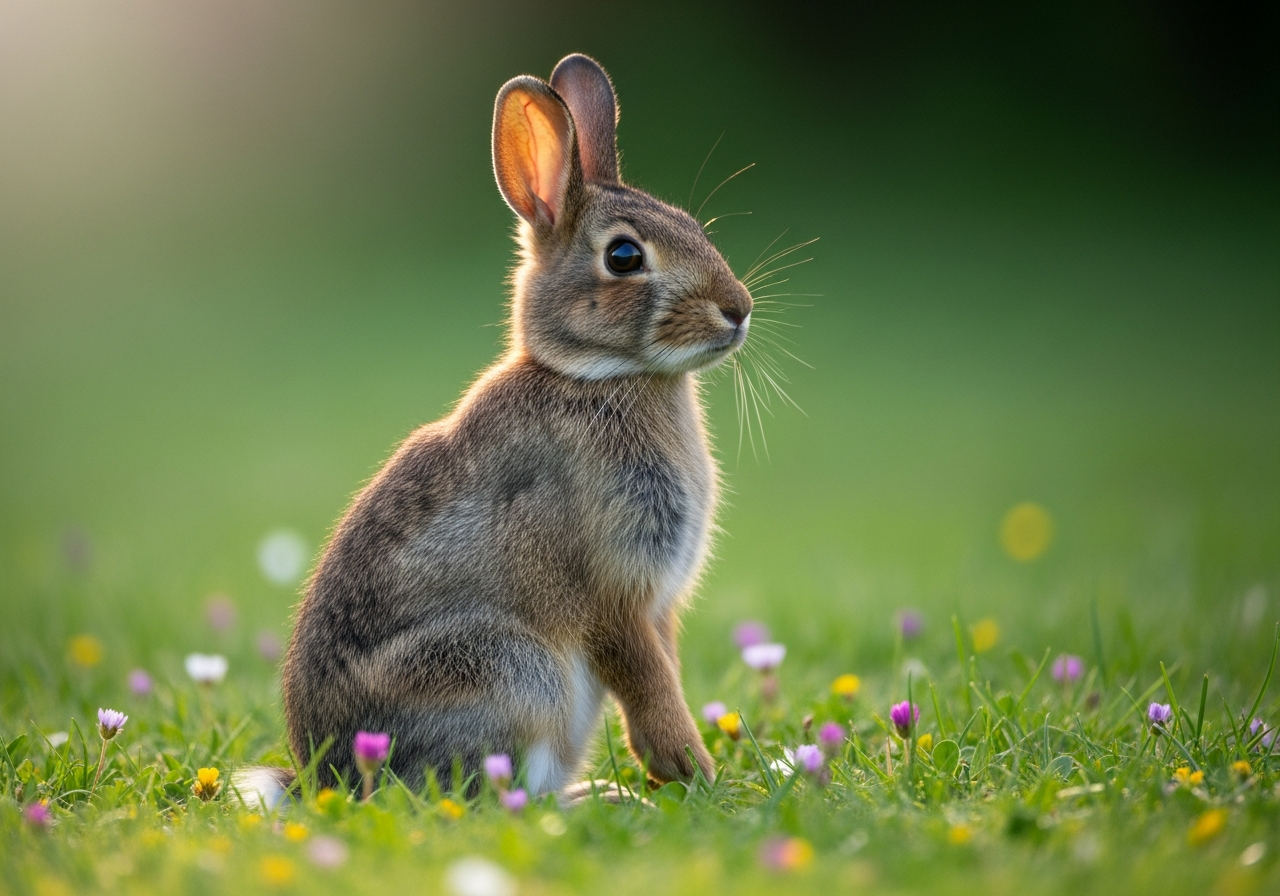
The rabbit (Oryctolagus cuniculus) is a mammal of the family Leporidae, in the order Lagomorpha.
Quick answer
The rabbit is a small, fast-breeding mammal kept worldwide as a popular pet and found in the wild across grasslands and woodlands. Domestic rabbits descend from the wild European rabbit, have nearly 360-degree vision, and can live 8 to 12 years with good care. They communicate through body language such as thumping and joyful leaps called binkies.
Top questions about the Rabbit
Rabbit facts at a glance
- Weight 2 kg
- Length 40 cm
- Top speed 56 km/h
- Lifespan 10 years
| Scientific name | Oryctolagus cuniculus |
|---|---|
| Diet | Herbivore |
| Habitat | Grassland and woodland; domestic worldwide |
| Lifespan | 8–12 years (pet); 1–2 years (wild) |
| Weight | 1–2.5 kg (2–5.5 lb) |
| Top speed | Up to 56 km/h (35 mph) |
| Conservation status | Domesticated |
| Kingdom | Animalia |
|---|---|
| Phylum | Chordata |
| Class | Mammalia |
| Order | Lagomorpha |
| Family | Leporidae |
| Genus | Oryctolagus |
Where it lives
The rabbit (Oryctolagus cuniculus) is native to The wild European rabbit is native to southwestern Europe; domestic rabbits are kept worldwide. — recorded across Europe in this guide’s range summary.
For occurrence records, see GBIF species search and sources below.
How big is a rabbit?
An adult rabbit measures 40 cm long — about 23% of the height of an average adult person (1.73 m) — and weighs around 2.0 kg, about 3% of an average adult’s body weight (70 kg).
Length vs an average adult’s height (to scale)
What is a group of rabbits called?
Group name (collective noun)
A group of Rabbits is called a colony. It is also known as a nest or a fluffle.
Baby name
A baby Rabbit is called a kit. It may also be called a kitten.
Explore more animal collective nouns and baby animal names .
Built to escape
Rabbits are prey animals built to detect and flee danger. Their eyes sit high on the sides of the head, giving nearly 360-degree vision to spot predators, and their long, powerful hind legs let them run in fast zigzags. A hard thump of the back foot warns other rabbits of danger.
Diet and digestion
Rabbits are herbivores whose diet should be mostly hay and grass, with leafy greens and a little fresh food. They have a specialized digestive system and re-ingest soft droppings called cecotropes to extract every bit of nutrition. Their teeth grow continuously and are worn down by chewing fibrous food.
Behavior and communication
Rabbits are social animals that, in the wild, live in underground burrow systems called warrens. They communicate through body language: a relaxed rabbit may flop on its side, while a happy one performs a twisting leap known as a binky. Pet rabbits bond closely with each other and with people.
Conservation
Domestic rabbits are kept worldwide and are not at risk, but the wild European rabbit they descend from is now listed as Endangered in its native southwestern Europe due to disease and habitat loss. As a keystone prey species, its decline affects predators such as the Iberian lynx.
Dig deeper into the Rabbit
- How Fast Is A Rabbit?
Rabbit top speed is up to about 56 km/h (35 mph). Sprint vs endurance and what limits pace.
- How Long Do Rabbits Live?
Rabbit lifespan is typically 8–12 years (pet); 1–2 years (wild). What shortens or extends life, life stages, and status (Domesticated).
- How Long Do Rabbits Live?
Rabbit lifespan is typically 8–12 years (pet); 1–2 years (wild). What shortens or extends life, life stages, and status (Domesticated).
- What Do Rabbits Eat?
What rabbits eat: Herbivore, foraging style, and seasonal shifts in Grassland and woodland; domestic worldwide.
- Where Do Rabbits Live?
Where rabbits live: Grassland and woodland; domestic worldwide, native range cues, and human overlap. Status Domesticated.
Explore the Rabbit
Close relatives
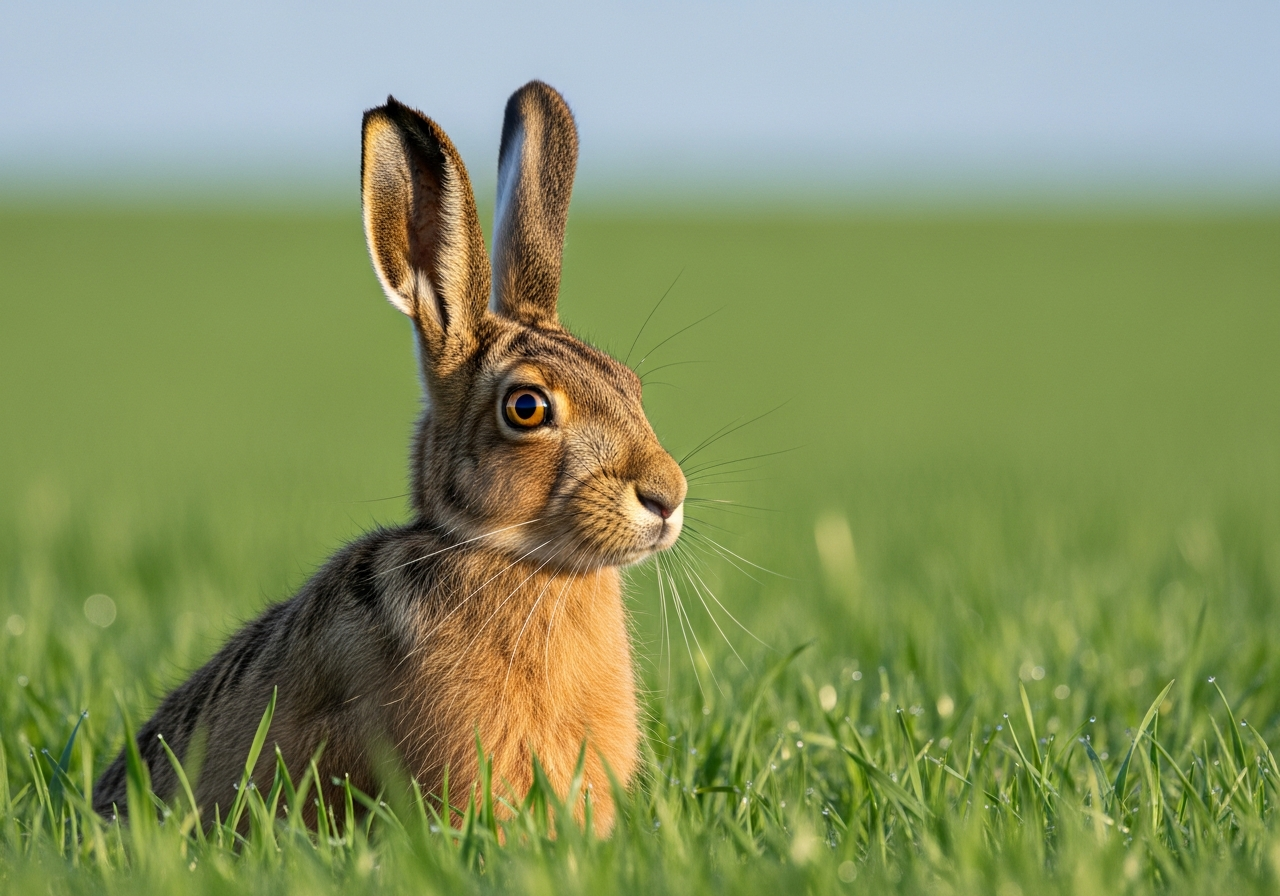
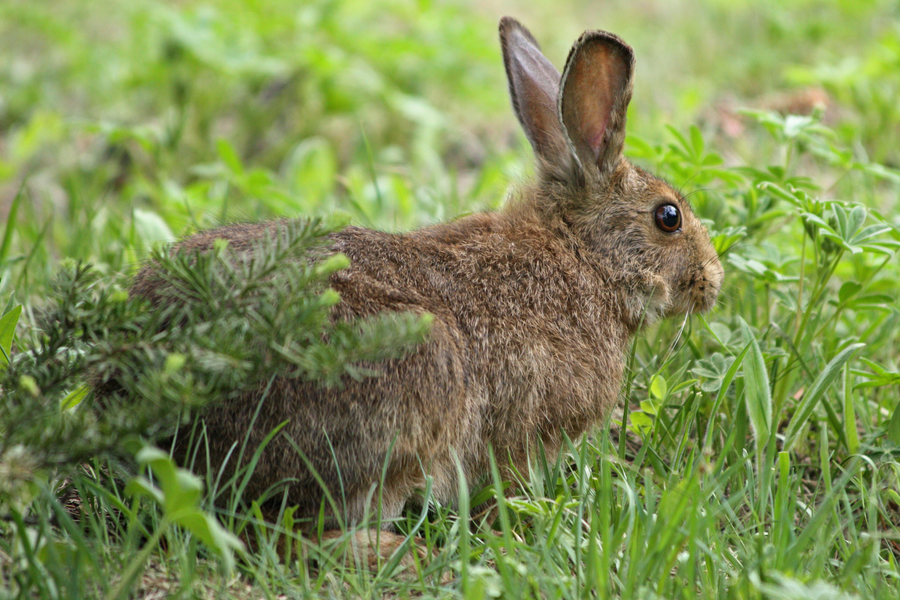
- Snowshoe Hare Same family
- Hare Same family
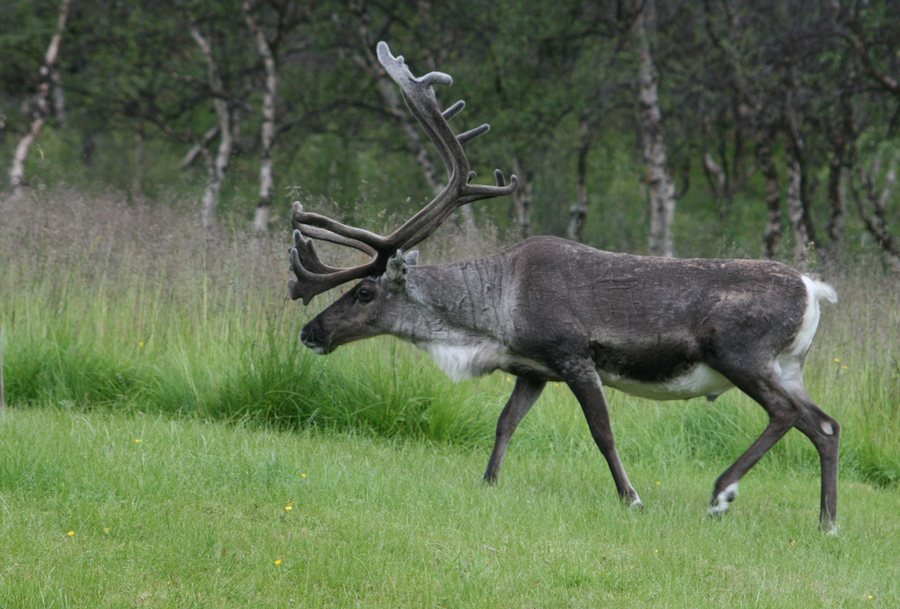
- Lion Same class
- Dog Same class
Range & geography
Did you know? Rabbit facts
- The rabbit is a small, fast-breeding mammal kept worldwide as a popular pet and found in the wild across grasslands and woodlands.
- With good care, pet rabbits typically live 8 to 12 years. Wild rabbits live much shorter lives, usually only 1 to 2 years, because of predators and disease.
- A rabbit's diet should be about 80% grass hay, plus leafy greens and a small amount of pellets. Hay keeps their continuously growing teeth worn down and their digestive system healthy.
- Rabbits thump a hind foot on the ground as an alarm signal to warn other rabbits of danger. They may also thump when annoyed, frightened, or trying to get attention.
- Yes. Rabbits can breed from a few months old, carry a litter for about a month, and have several litters a year, which is why the phrase 'breed like rabbits' exists. Responsible owners spay and neuter pet rabbits.
- Conservation: Domesticated.
Diet & feeding
Rabbit feeds primarily as a herbivore. Rabbits are prey animals built to detect and flee danger. Their eyes sit high on the sides of the head, giving nearly 360-degree vision to spot predators, and their long, powerful hind legs let them run in fast zigzags. A hard thump of the back foot warns other rabbits of danger.
Adaptations
- Rabbits are prey animals built to detect and flee danger. Their eyes sit high on the sides of the head, giving nearly 360-degree vision to spot predators, and their long, powerful hind legs let them run in fast zigzags. A hard thump of the back foot warns other rabbits of danger.
- Rabbits are herbivores whose diet should be mostly hay and grass, with leafy greens and a little fresh food. They have a specialized digestive system and re-ingest soft droppings called cecotropes to extract every bit of nutrition. Their teeth grow continuously and are worn down by chewing fibrous food.
Behaviour & ecology
- Rabbits are prey animals built to detect and flee danger. Their eyes sit high on the sides of the head, giving nearly 360-degree vision to spot predators, and their long, powerful hind legs let them run in fast zigzags. A hard thump of the back foot warns other rabbits of danger.
- Rabbits are herbivores whose diet should be mostly hay and grass, with leafy greens and a little fresh food. They have a specialized digestive system and re-ingest soft droppings called cecotropes to extract every bit of nutrition. Their teeth grow continuously and are worn down by chewing fibrous food.
- Rabbits are social animals that, in the wild, live in underground burrow systems called warrens. They communicate through body language: a relaxed rabbit may flop on its side, while a happy one performs a twisting leap known as a binky. Pet rabbits bond closely with each other and with people.
Communication
- Rabbit uses scent, posture, and vocal signals to mark territory and coordinate social behaviour.
- Communication intensity often peaks during breeding seasons and territorial disputes.
Habitat & range
Grassland and woodland; domestic worldwide
Ecological role
Rabbit shapes vegetation through grazing or browsing and serves as prey for larger predators where ranges overlap.
Conservation status of the Rabbit
The rabbit (Oryctolagus cuniculus) is listed as Domesticated on the IUCN Red List. Domesticated animals are species kept and selectively bred by humans over many generations, such as dogs, cats, and livestock. They are not assessed for extinction risk in the wild by the IUCN, because their populations are managed by people rather than subject to natural pressures.
The rabbit (Oryctolagus cuniculus) is assessed on the IUCN Red List. Look up on the IUCN Red List .
Frequently asked questions about the Rabbit
How long do pet rabbits live?
With good care, pet rabbits typically live 8 to 12 years. Wild rabbits live much shorter lives, usually only 1 to 2 years, because of predators and disease.
What should rabbits eat?
A rabbit's diet should be about 80% grass hay, plus leafy greens and a small amount of pellets. Hay keeps their continuously growing teeth worn down and their digestive system healthy.
Why do rabbits thump their feet?
Rabbits thump a hind foot on the ground as an alarm signal to warn other rabbits of danger. They may also thump when annoyed, frightened, or trying to get attention.
Do rabbits really breed quickly?
Yes. Rabbits can breed from a few months old, carry a litter for about a month, and have several litters a year, which is why the phrase 'breed like rabbits' exists. Responsible owners spay and neuter pet rabbits.
Are wild rabbits endangered?
The wild European rabbit, the ancestor of pet rabbits, is now listed as Endangered in its native range due to viral diseases and habitat loss, even though domestic and introduced rabbits are abundant elsewhere.
What is a group of rabbits called?
A group of Rabbits is called a colony. It is also known as a nest or a fluffle.
What is a baby rabbit called?
A baby Rabbit is called a kit. It may also be called a kitten.
Sources & references
This guide is compiled and reviewed against established zoological and conservation references. Key sources for the Rabbit:
-
IUCN Red List of Threatened Species
Conservation status (Domesticated) reflects the IUCN Red List category for Oryctolagus cuniculus.
-
iNaturalist — observations & photos
Search citizen-science observations and community IDs for Oryctolagus cuniculus. Useful for range checks and recent sightings — not a substitute for formal Red List status.
-
GBIF — occurrence data
Global Biodiversity Information Facility species search for Oryctolagus cuniculus. Explore published occurrence records used in range research.
- IUCN Red List — Oryctolagus cuniculus.
Conservation status (Domesticated) and population trends.
- Animal Diversity Web — Oryctolagus cuniculus. University of Michigan Museum of Zoology.
Life history, morphology, and range.
- Wikipedia — Rabbit.
General taxonomy and overview (cross-check primary sources).
-
Global Animal Guide editorial standards
How we research, source, review, and update every guide for accuracy.