Image sourcing: see credits & licences
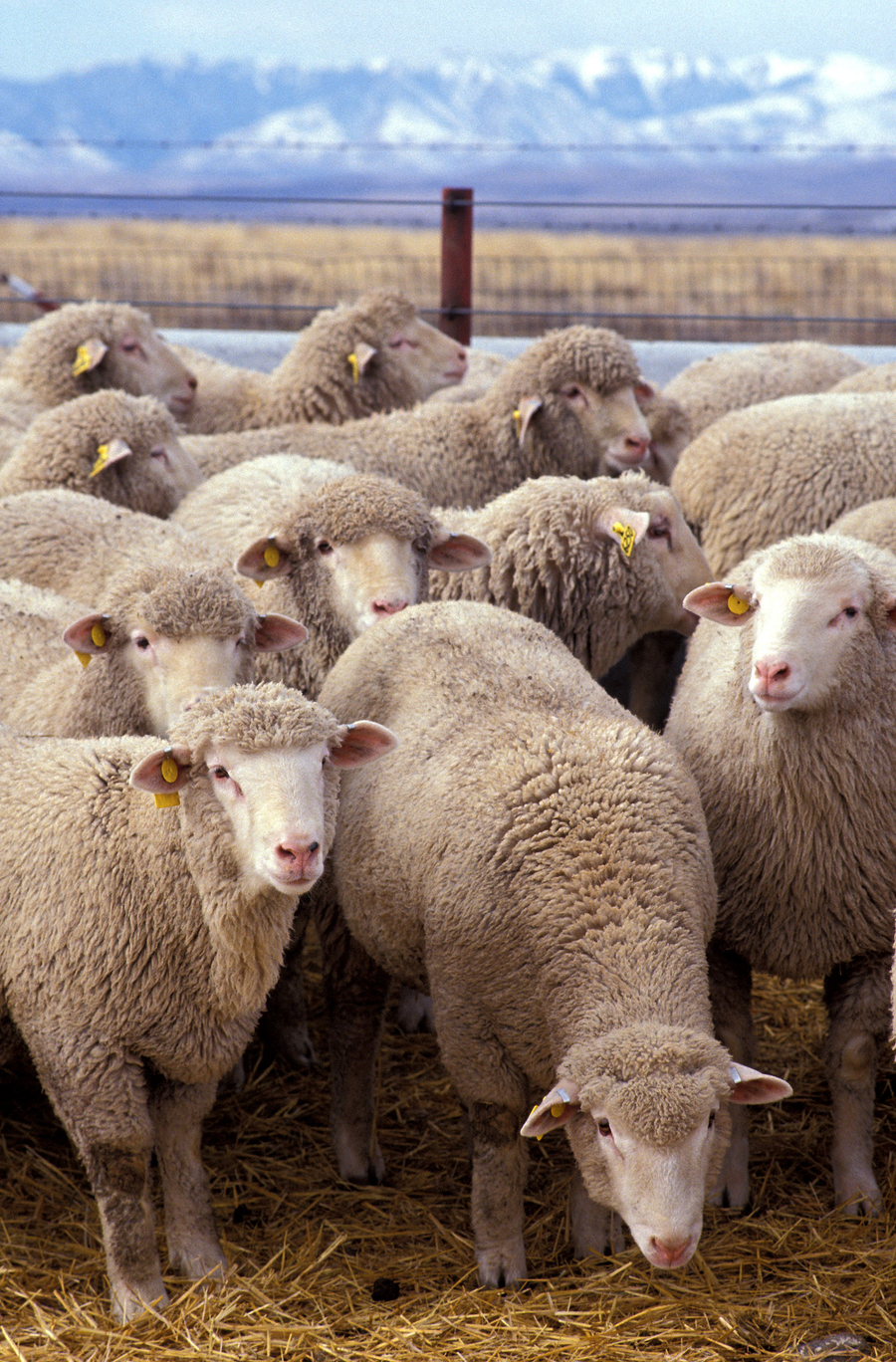
The domestic sheep (Ovis aries) is a mammal of the family Bovidae, in the order Artiodactyla.
Quick answer
The domestic sheep is one of the oldest and most widespread of all livestock, kept for wool, meat, and milk on pasture across every inhabited continent. A gentle, flock-living herbivore that grazes on grasses, forbs, and hay, it weighs anywhere from 45 to 160 kg depending on breed and stands about 1.2 m long. Domestic sheep usually live 10 to 12 years, and pet animals can live longer.
Top questions about the Domestic Sheep
Domestic Sheep facts at a glance
- Weight 80 kg
- Length 1.2 m
- Top speed 40 km/h
- Lifespan 12 years
| Scientific name | Ovis aries |
|---|---|
| Diet | Herbivore — grasses, forbs, and hay |
| Habitat | Pasture and rangeland on every inhabited continent |
| Lifespan | 10–12 years (longer for pet sheep) |
| Weight | 45–160 kg (100–350 lb); breeds vary enormously |
| Top speed | Up to 40 km/h (25 mph) in flight |
| Conservation status | Domesticated (IUCN) |
| Kingdom | Animalia |
|---|---|
| Phylum | Chordata |
| Class | Mammalia |
| Order | Artiodactyla |
| Family | Bovidae |
| Genus | Ovis |
Where it lives
The domestic sheep (Ovis aries) is native to Domesticated worldwide; wild mouflon ancestor from Cyprus, Anatolia, and Fertile Crescent. — recorded across Africa, Asia, Europe, North America, Oceania, South America in this guide’s range summary.
For occurrence records, see GBIF species search and sources below.
How big is a domestic sheep?
An adult domestic sheep measures 1.2 m long — about 69% of the height of an average adult person (1.73 m) — and weighs around 80 kg, about 1.1× an average adult’s body weight (70 kg).
Length vs an average adult’s height (to scale)
What is a group of domestic sheep called?
Group name (collective noun)
A group of Domestic Sheep is called a flock.
Baby name
A baby Domestic Sheep is called a lamb.
Explore more animal collective nouns and baby animal names .
Origins and domestication
The domestic sheep was one of the first animals humans ever tamed, descended from wild mouflon in the Near East around 10,000 years ago. Early flocks were kept mainly for meat, milk, and skins, with woolly fleeces developing gradually through selective breeding. From these beginnings the sheep spread with farming peoples across Europe, Asia, and eventually the whole world. Today it is one of the most numerous livestock animals on the planet, raised on pasture and rangeland everywhere people farm.
Breeds and their uses
Centuries of selective breeding have produced more than a thousand sheep breeds suited to different climates and purposes. Wool breeds such as the Merino are prized for fine, soft fleece, while others like the Suffolk are bred mainly for meat and some, such as East Friesians, for milk. Sizes vary enormously, from small primitive breeds to heavy rams reaching up to 160 kg. This diversity lets sheep farming succeed everywhere from lowland pastures to rugged upland moors.
Grazing and diet
Sheep are herbivores that graze on grasses, clover and other forbs, and hay, using a specialised digestive system to break down fibrous plants. As ruminants they ferment food in a four-chambered stomach and chew the cud, extracting nutrients from vegetation people cannot eat. Their narrow muzzles let them graze plants very close to the ground, which is why grazing must be managed to avoid over-cropping a pasture. Rotating sheep between fields keeps both the flock and the grassland healthy.
Flock behaviour and temperament
Sheep are strongly social animals with a powerful instinct to stay together, and an isolated sheep quickly becomes stressed. This flocking behaviour is a natural defence, since staying in a group makes it harder for a predator to single out one individual. Far from being simple, sheep can recognise the faces of many other sheep and of people, and they remember them for years. They are generally docile and easily herded, which is exactly why they were among the first animals to be domesticated.
Wool, husbandry, and the farming year
Most wool breeds are sheared once a year, usually in spring, both to harvest the fleece and to keep the animals comfortable through summer. The farming calendar revolves around lambing, when ewes give birth after a gestation of about five months, typically to one or two lambs. Shepherds also manage feeding, foot care, and protection from parasites and predators throughout the year. Well-cared-for sheep live around 10 to 12 years, and pet or hobby-farm animals often live longer.
Sheep and people
Few animals have shaped human life as deeply as the sheep, providing clothing, food, and even parchment across thousands of years of history. Wool built major trading economies, and sheep farming still defines the landscape and culture of upland regions in Britain and beyond. Beyond farming, sheep appear throughout religion, language, and folklore, from nursery rhymes to proverbs. As a fully domesticated animal, the sheep depends on human care rather than living wild.
Dig deeper into the Domestic Sheep
- How Fast Is A Domestic Sheep?
Domestic Sheep top speed is up to about 40 km/h (25 mph) in flight. Sprint vs endurance and what limits pace.
- How Long Do Domestic Sheep Live?
Domestic Sheep lifespan is typically 10–12 years (longer for pet sheep). What shortens or extends life, life stages, and status (Domesticated).
- Domestic Sheep: Key Facts
Domestic sheep were among the first animals farmed over 10,000 years ago, providing wool, meat, and milk worldwide.
- What Do Domestic Sheep Eat?
What domestic sheep eat: Herbivore — grasses, forbs, and hay, foraging style, and seasonal shifts in Pasture and rangeland on every inhabited continent.
- Where Do Domestic Sheep Live?
Where domestic sheep live: Pasture and rangeland on every inhabited continent, native range cues, and human overlap. Status Domesticated.
Explore the Domestic Sheep
Compare
Close relatives
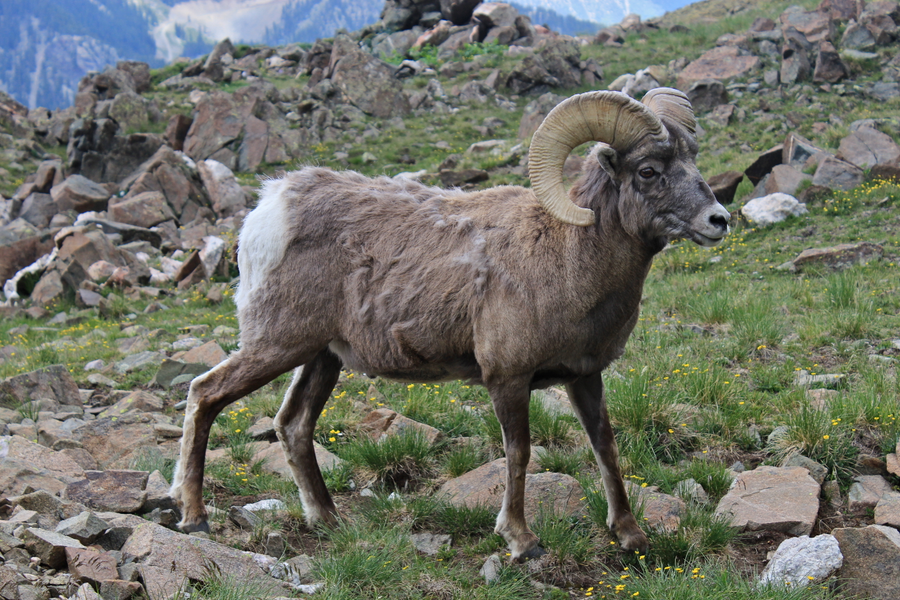
- Bighorn Sheep Same genus
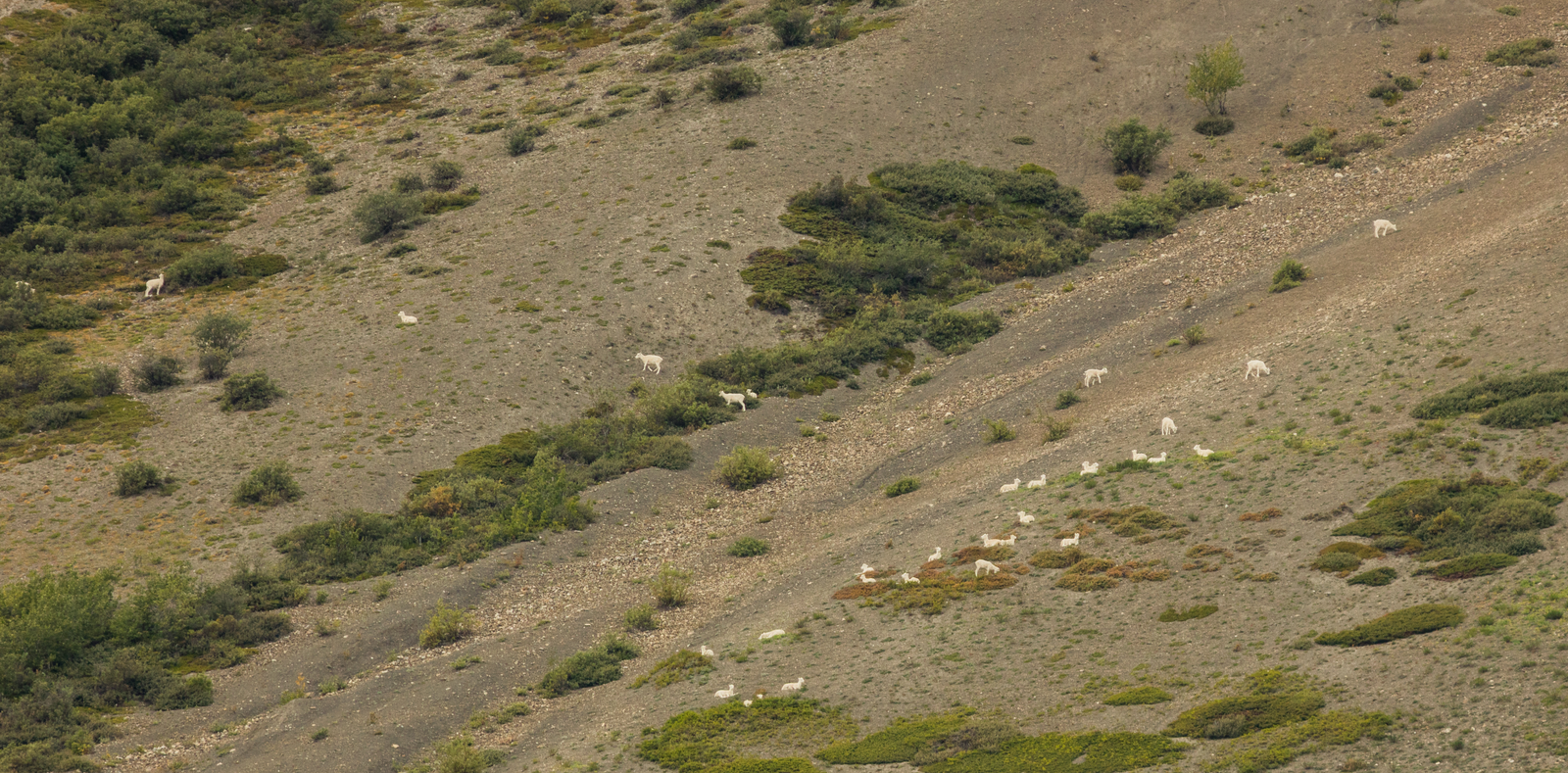
- Dall Sheep Same genus
- Urial Same genus
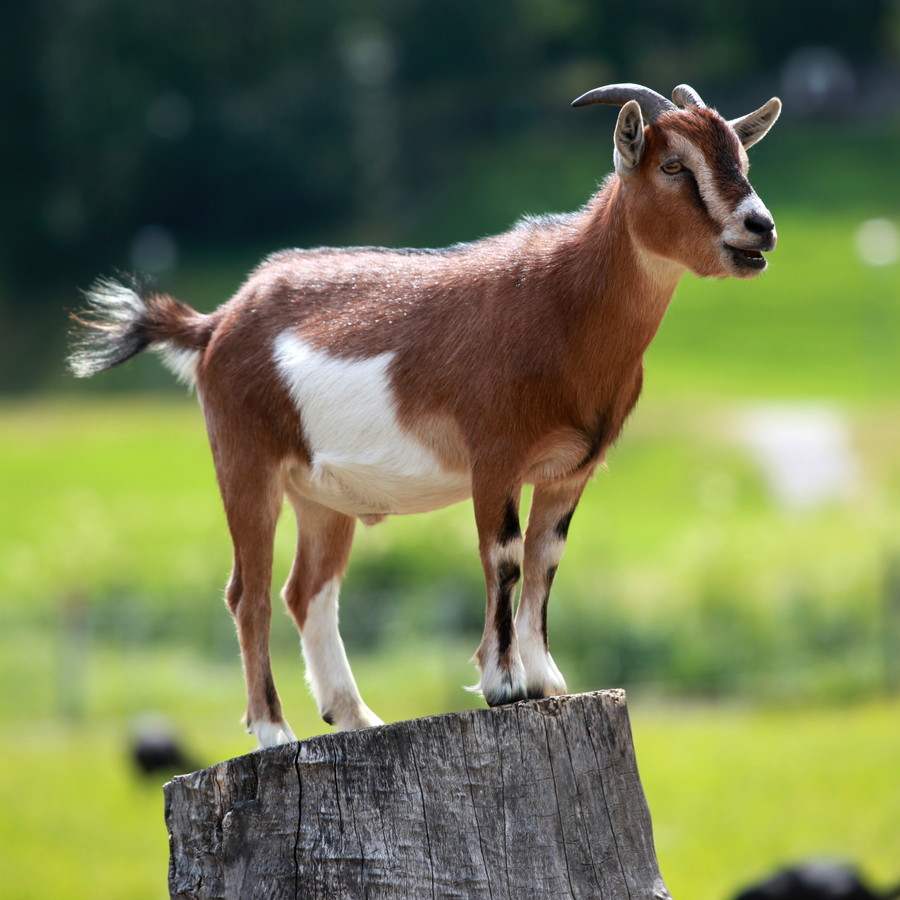
- Cow Same family
Did you know? Domestic Sheep facts
- Domestic sheep were among the first animals farmed, providing wool, meat, and milk for over 10,000 years.
- 10–12 years on average; pet sheep may reach 15.
- They solve puzzles and recognise faces — flocking is survival strategy, not low intelligence.
- Conservation: Domesticated.
Diet & feeding
Domestic Sheep feeds primarily as a grasses and forbs.
Adaptations
- Sheep follow leaders and panic easily without a calm flock structure.
- Breeds range from fine Merino wool to hair sheep that shed naturally.
Behaviour & ecology
- Sheep follow leaders and panic easily without a calm flock structure.
- Breeds range from fine Merino wool to hair sheep that shed naturally.
Communication
- Domestic Sheep uses scent, posture, and vocal signals to mark territory and coordinate social behaviour.
- Communication intensity often peaks during breeding seasons and territorial disputes.
Habitat & range
Pasture worldwide
Ecological role
Domestic Sheep plays a recognised ecological role in pasture worldwide.
Conservation status of the Domestic Sheep
The domestic sheep (Ovis aries) is listed as Domesticated on the IUCN Red List. Domesticated animals are species kept and selectively bred by humans over many generations, such as dogs, cats, and livestock. They are not assessed for extinction risk in the wild by the IUCN, because their populations are managed by people rather than subject to natural pressures.
The domestic sheep (Ovis aries) is assessed on the IUCN Red List. Look up on the IUCN Red List .
Frequently asked questions about the Domestic Sheep
How long have sheep been domesticated?
Sheep were among the first animals to be domesticated, tamed from wild mouflon in the Near East around 10,000 years ago. Early flocks were kept for meat, milk, and skins before woolly fleeces were bred over time.
What do sheep eat?
Sheep are herbivores that graze on grasses, clover and other forbs, and hay. As ruminants, they ferment plant matter in a four-chambered stomach and chew the cud to extract nutrients.
How much does a sheep weigh?
Weight varies enormously by breed, from around 45 kg in smaller breeds to up to 160 kg in the largest rams. This range reflects the more than a thousand sheep breeds developed for different climates and purposes.
Are sheep intelligent?
Sheep are smarter than their reputation suggests. They can recognise and remember the faces of dozens of other sheep and of humans for years, and they show clear emotional responses and strong social bonds.
Why do sheep stay in flocks?
Flocking is a natural defence: staying together makes it harder for predators to pick off a single animal. The instinct is so strong that an isolated sheep becomes stressed, which is also what makes sheep easy to herd.
How long do sheep live?
Domestic sheep usually live about 10 to 12 years. Pet sheep and those on hobby farms, spared the pressures of commercial farming, often live longer.
What is a group of domestic sheep called?
A group of Domestic Sheep is called a flock.
What is a baby domestic sheep called?
A baby Domestic Sheep is called a lamb.
Sources & references
This guide is compiled and reviewed against established zoological and conservation references. Key sources for the Domestic Sheep:
-
IUCN Red List of Threatened Species
Conservation status (Domesticated) reflects the IUCN Red List category for Ovis aries.
-
iNaturalist — observations & photos
Search citizen-science observations and community IDs for Ovis aries. Useful for range checks and recent sightings — not a substitute for formal Red List status.
-
GBIF — occurrence data
Global Biodiversity Information Facility species search for Ovis aries. Explore published occurrence records used in range research.
- IUCN Red List — Ovis aries.
Conservation status (Domesticated) and population trends.
- Animal Diversity Web — Ovis aries. University of Michigan Museum of Zoology.
Life history, morphology, and range.
-
Global Animal Guide editorial standards
How we research, source, review, and update every guide for accuracy.