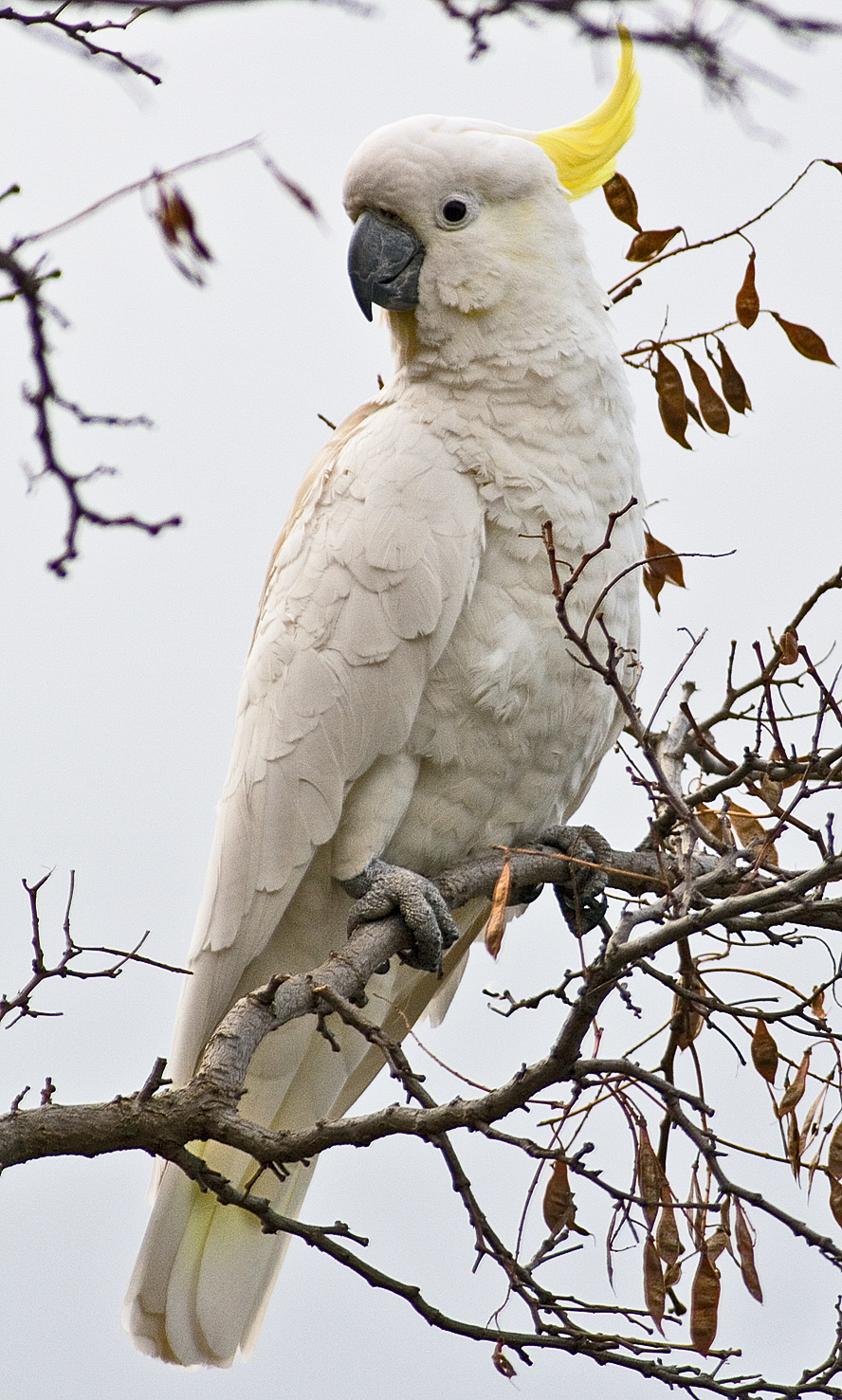
The sulphur-crested cockatoo (Cacatua galerita) is a bird of the family Cacatuidae, in the order Psittaciformes.
Quick answer
The sulphur-crested cockatoo is a large white parrot with a bright yellow crest, powerful bill, and raucous calls, common across Australia and New Guinea. Highly intelligent and long-lived — up to 80 years in captivity — it forages in flocks, damages crops, and is a popular but demanding pet.
Top questions about the Sulphur-crested Cockatoo
Also available in Español (Cacatúa galerita)
Sulphur-crested Cockatoo facts at a glance
- Weight 850 g
- Length 50 cm
- Top speed 50 km/h
- Lifespan 60 years
| Scientific name | Cacatua galerita |
|---|---|
| Diet | Omnivore — seeds, nuts, fruit, roots, and insects |
| Habitat | Woodlands, farmland, and urban parks of Australia and New Guinea |
| Lifespan | 40–80 years in captivity; 20–40 in the wild |
| Weight | 780–950 g (1.7–2.1 lb) |
| Top speed | Strong flier; agile climber using bill and feet |
| Conservation status | Least Concern (IUCN) |
| Kingdom | Animalia |
|---|---|
| Phylum | Chordata |
| Class | Aves |
| Order | Psittaciformes |
| Family | Cacatuidae |
| Genus | Cacatua |
Where it lives
The sulphur-crested cockatoo (Cacatua galerita) is native to Woodlands and urban areas of eastern and northern Australia, Tasmania, and New Guinea; also kept as pets on other continents. — recorded across Oceania in this guide’s range summary.
For occurrence records, see GBIF species search and sources below.
How big is a sulphur-crested cockatoo?
An adult sulphur-crested cockatoo measures 50 cm long — about 29% of the height of an average adult person (1.73 m) — and weighs around 850 g, about 1% of an average adult’s body weight (70 kg).
Length vs an average adult’s height (to scale)
What is a group of sulphur-crested cockatoos called?
Group name (collective noun)
A group of Sulphur-crested Cockatoos is called a crack.
Baby name
A baby Sulphur-crested Cockatoo is called a chick.
Explore more animal collective nouns and baby animal names .
Crest signals and flock life
The yellow crest rises when the bird is alarmed, excited, or displaying — a visible signal across open woodland. Cockatoos feed in noisy flocks, screeching as they move between roost trees and feeding grounds. Strong pair bonds last years or life.
Intelligence and problem solving
Cockatoos open bin lids, dismantle lawn ornaments, and solve multi-step puzzles in research settings. Wild birds learn to exploit human food sources, becoming familiar sights in Sydney and Canberra suburbs where they chew decking and window frames.
Agricultural conflict
Large flocks damage grain, fruit, and nut crops, leading to culling permits in some Australian states despite Least Concern status. Their intelligence makes deterrence difficult — scare devices often fail after brief habituation.
Pet trade demands
Cockatoos are charismatic pets but need decades of attention, large enclosures, and mental stimulation. Feather plucking and screaming result from neglect. Captive breeding supplies most pets; wild export is restricted under CITES.
Dig deeper into the Sulphur-crested Cockatoo
- Sulphur-crested Cockatoo: Key Facts
The sulphur-crested cockatoo is a large white parrot with a bright yellow crest, powerful bill, and raucous calls, common across Australia and New Guinea.
- How Fast Is A Sulphur-crested Cockatoo?
Sulphur-crested Cockatoo top speed is about Strong flier; agile climber using bill and feet. Sprint vs endurance and what limits pace.
- How Long Do Sulphur-crested Cockatoos Live?
Sulphur-crested Cockatoo lifespan is typically 40–80 years in captivity; 20–40 in the wild. What shortens or extends life, life stages, and status (Least Concern).
- What Do Sulphur-crested Cockatoos Eat?
What sulphur-crested cockatoos eat: Omnivore — seeds, nuts, fruit, roots, and insects, foraging style, and seasonal shifts in Woodlands, farmland, and urban parks of Australia and New Guinea.
- Where Do Sulphur-crested Cockatoos Live?
Where sulphur-crested cockatoos live: Woodlands, farmland, and urban parks of Australia and New Guinea, native range cues, and human overlap. Status Least Concern.
Explore the Sulphur-crested Cockatoo
Close relatives
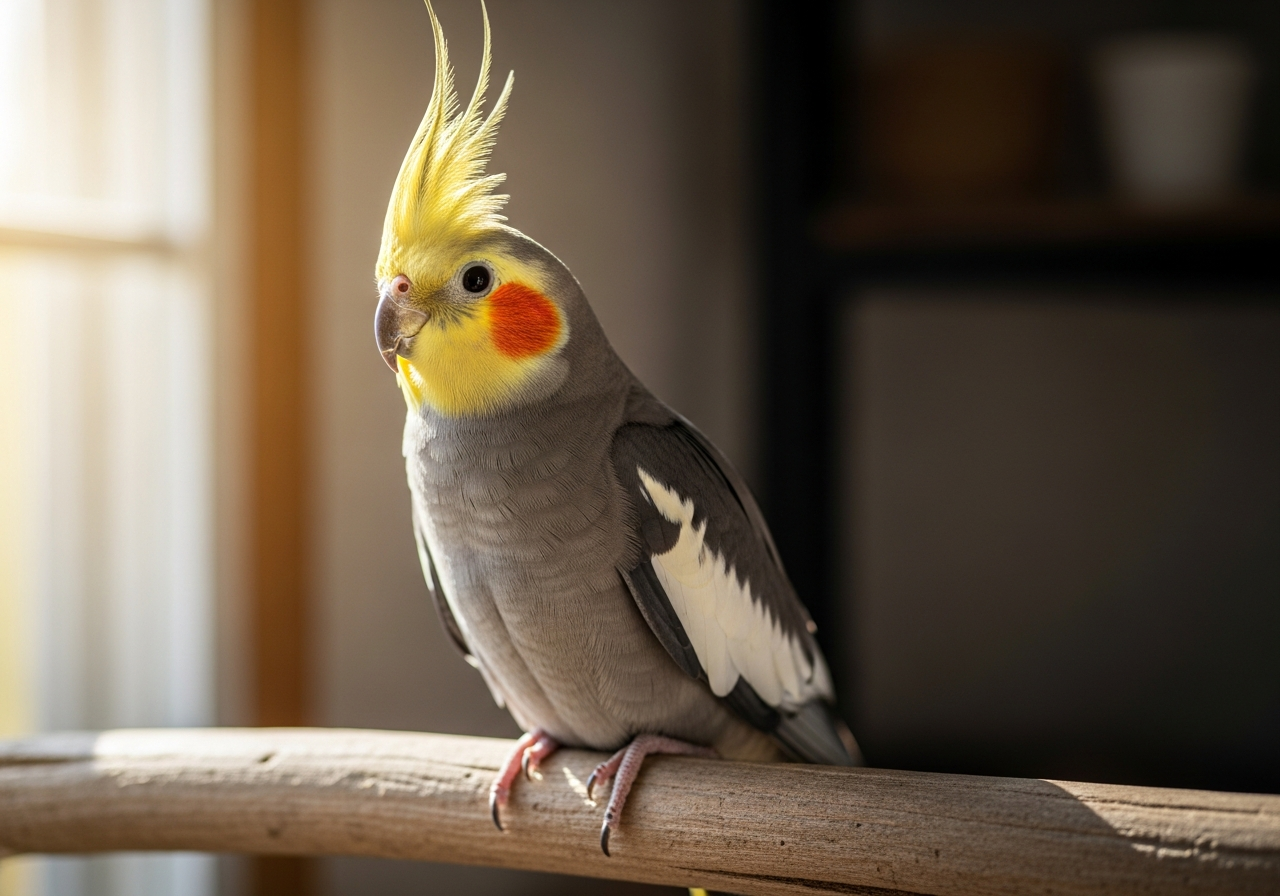
- Cockatiel Same family
- Kakapo Same order
- Scarlet Macaw Same order
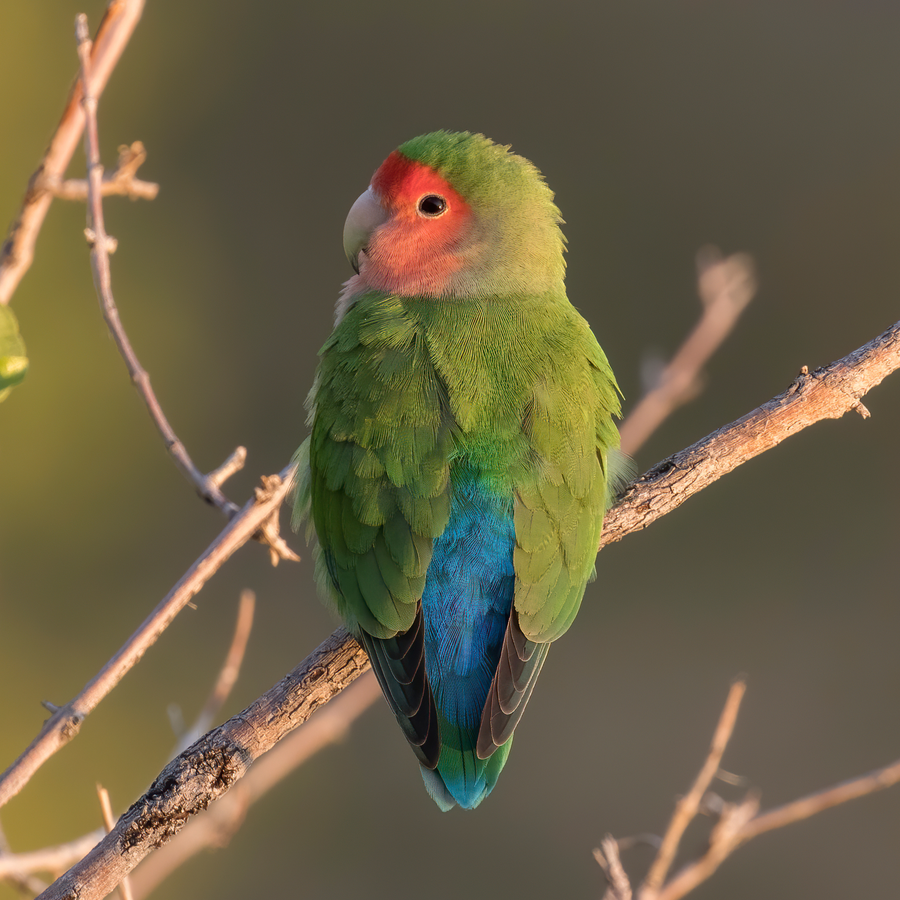
- Peach-faced Lovebird Same order
Range & geography
Did you know? Sulphur-crested Cockatoo facts
- The sulphur-crested cockatoo is a large white parrot with a bright yellow crest, powerful bill, and raucous calls, common across Australia and New Guinea.
- Often 40–60 years in captivity, sometimes over 80 with excellent care — a lifetime commitment for owners.
- Flock communication, alarm calls, and attention-seeking. Loud vocalisations are normal — not a sign of distress alone, but constant screaming can indicate boredom.
- Among the most intelligent birds, solving puzzles, using tools in experiments, and learning to manipulate human-made objects.
- Eastern and northern Australia, Tasmania, and New Guinea — also common in urban parks and farmland.
- Conservation: Least Concern (IUCN).
Diet & feeding
Sulphur-crested Cockatoo feeds primarily as a omnivore — seeds, nuts, fruit, roots, and insects. The yellow crest rises when the bird is alarmed, excited, or displaying — a visible signal across open woodland. Cockatoos feed in noisy flocks, screeching as they move between roost trees and feeding grounds. Strong pair b
Adaptations
- The yellow crest rises when the bird is alarmed, excited, or displaying — a visible signal across open woodland. Cockatoos feed in noisy flocks, screeching as they move between roost trees and feeding grounds. Strong pair bonds last years or life.
- Cockatoos open bin lids, dismantle lawn ornaments, and solve multi-step puzzles in research settings. Wild birds learn to exploit human food sources, becoming familiar sights in Sydney and Canberra suburbs where they chew decking and window frames.
Behaviour & ecology
- The yellow crest rises when the bird is alarmed, excited, or displaying — a visible signal across open woodland. Cockatoos feed in noisy flocks, screeching as they move between roost trees and feeding grounds. Strong pair bonds last years or life.
- Cockatoos open bin lids, dismantle lawn ornaments, and solve multi-step puzzles in research settings. Wild birds learn to exploit human food sources, becoming familiar sights in Sydney and Canberra suburbs where they chew decking and window frames.
- Large flocks damage grain, fruit, and nut crops, leading to culling permits in some Australian states despite Least Concern status. Their intelligence makes deterrence difficult — scare devices often fail after brief habituation.
Communication
- Sulphur-crested Cockatoo uses calls and visual displays to communicate territory, alarm, and breeding status.
- Vocal repertoires vary by species and are often learned or refined during development.
Habitat & range
Woodlands, farmland, and urban parks of Australia and New Guinea
Ecological role
Sulphur-crested Cockatoo contributes to seed dispersal, insect control, or nutrient cycling depending on diet and foraging habits.
Conservation status of the Sulphur-crested Cockatoo
The sulphur-crested cockatoo (Cacatua galerita) is listed as Least Concern on the IUCN Red List. Least Concern (LC) is the IUCN's lowest-risk category, assigned to widespread, abundant species that have been evaluated and found not to be threatened. It does not mean a species faces no pressures — only that it is not currently at risk of extinction.
The sulphur-crested cockatoo (Cacatua galerita) is assessed on the IUCN Red List. Look up on the IUCN Red List .
Frequently asked questions about the Sulphur-crested Cockatoo
How long do cockatoos live?
Often 40–60 years in captivity, sometimes over 80 with excellent care — a lifetime commitment for owners.
Why do cockatoos scream?
Flock communication, alarm calls, and attention-seeking. Loud vocalisations are normal — not a sign of distress alone, but constant screaming can indicate boredom.
Are sulphur-crested cockatoos smart?
Among the most intelligent birds, solving puzzles, using tools in experiments, and learning to manipulate human-made objects.
Where do cockatoos live?
Eastern and northern Australia, Tasmania, and New Guinea — also common in urban parks and farmland.
Can cockatoos talk?
They mimic sounds and some words, though not as clearly as African grey parrots. They are better known for loud natural calls than speech.
What is a group of sulphur-crested cockatoos called?
A group of Sulphur-crested Cockatoos is called a crack.
What is a baby sulphur-crested cockatoo called?
A baby Sulphur-crested Cockatoo is called a chick.
Sources & references
This guide is compiled and reviewed against established zoological and conservation references. Key sources for the Sulphur-crested Cockatoo:
-
IUCN Red List of Threatened Species
Conservation status (Least Concern) reflects the IUCN Red List category for Cacatua galerita.
-
iNaturalist — observations & photos
Search citizen-science observations and community IDs for Cacatua galerita. Useful for range checks and recent sightings — not a substitute for formal Red List status.
-
GBIF — occurrence data
Global Biodiversity Information Facility species search for Cacatua galerita. Explore published occurrence records used in range research.
-
eBird — bird observations
Cornell Lab eBird target search for Sulphur-crested Cockatoo. Check recent checklists and seasonal abundance where birders report this species.
- IUCN Red List — Cacatua galerita.
Conservation status (Least Concern) and population trends.
- Animal Diversity Web — Cacatua galerita. University of Michigan Museum of Zoology.
Life history, morphology, and range.
-
Global Animal Guide editorial standards
How we research, source, review, and update every guide for accuracy.