Photo: Wikimedia Commons · see Commons · credits
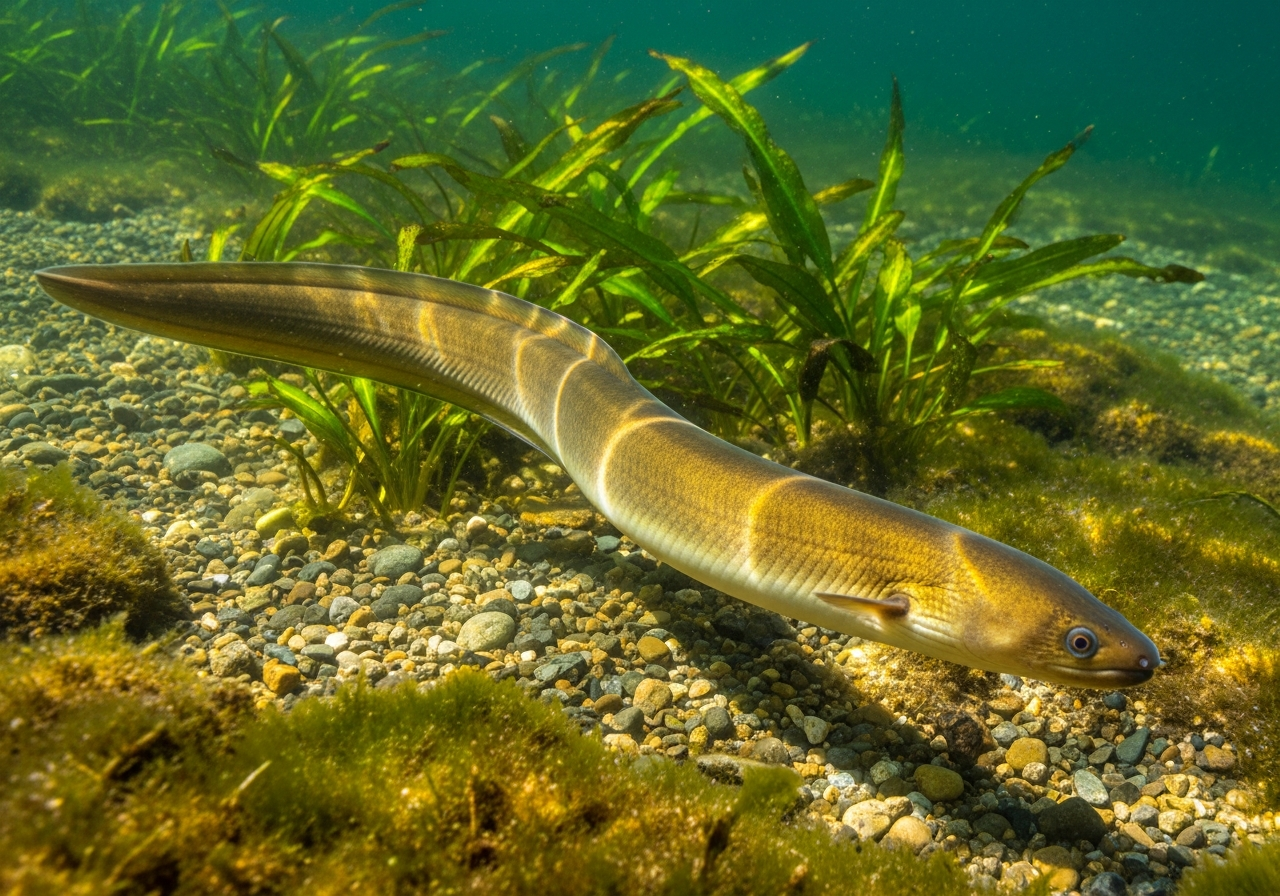
The European eel (Anguilla anguilla) is a ray-finned fish of the family Anguillidae, in the order Anguilliformes.
Quick answer
The European eel is a long, snake-like fish that migrates thousands of kilometres between European rivers and the Sargasso Sea in the western Atlantic, where it spawns and then dies. Adults reach about 1 m in length, weigh up to around 2.5 kg, and can live 20 years or more in fresh water before making their final journey. Once abundant, the species is now Critically Endangered, with young eel arrivals down by more than 95 percent.
Top questions about the European Eel
European Eel facts at a glance
- Weight 2.5 kg
- Length 1 m
- Top speed 5 km/h
- Lifespan 20 years
| Scientific name | Anguilla anguilla |
|---|---|
| Diet | Carnivore (fish, worms, crustaceans) |
| Habitat | Rivers, estuaries, and the open Atlantic Ocean |
| Lifespan | Up to 20+ years in rivers; dies after spawning |
| Migration distance | 5,000–10,000 km to spawning grounds |
| Conservation status | Critically Endangered (IUCN) — arrivals down 95%+ |
| Spawning site | The Sargasso Sea, western Atlantic |
| Kingdom | Animalia |
|---|---|
| Phylum | Chordata |
| Class | Actinopterygii |
| Order | Anguilliformes |
| Family | Anguillidae |
| Genus | Anguilla |
Where it lives
The european eel (Anguilla anguilla) is native to Rivers, lakes, estuaries and coasts of Europe and North Africa, from Iceland and Scandinavia to the Mediterranean and Black Sea basins; adults cross the Atlantic to spawn in the Sargasso Sea. The similar American eel of eastern North America is a separate species. — recorded across Europe, Africa, Oceans in this guide’s range summary.
For occurrence records, see GBIF species search and sources below.
How big is a european eel?
An adult european eel measures 1 m long — about 58% of the height of an average adult person (1.73 m) — and weighs around 2.5 kg, about 4% of an average adult’s body weight (70 kg).
Length vs an average adult’s height (to scale)
What is a group of european eels called?
Group name (collective noun)
A group of European Eels is called a swarm. It is also known as a bed.
Baby name
A baby European Eel is called a leptocephalus.
Explore more animal collective nouns and baby animal names .
A fish built for two worlds
The European eel spends most of its life in fresh water yet breeds far out in the open ocean, so its body must cope with both. It has a slender, muscular, snake-like form covered in a thick layer of slime, which helps it swim through water and even wriggle short distances across wet ground. A continuous fin runs along its back, tail and belly, giving the smooth, undulating stroke it uses to swim upstream. Adults typically grow to about 1 m long and can weigh up to roughly 2.5 kg.
The Sargasso Sea mystery
For centuries no one could find where eels bred, a puzzle that occupied naturalists from Aristotle onward. It is now known that European eels swim 5,000 to 10,000 km across the Atlantic to spawn in the Sargasso Sea, then die. Their leaf-shaped larvae drift back toward Europe on ocean currents over a journey that can take years. Remarkably, no adult has ever been directly observed spawning in the wild, so parts of the cycle remain a mystery.
Metamorphosis and life cycle
The European eel passes through several dramatic body forms during its life. Larvae hatched in the Sargasso Sea transform into transparent 'glass eels' as they reach coastal waters, then darken into young 'elvers' that push up rivers. They spend most of their lives as 'yellow eels', feeding and growing in fresh water for a decade or more. Finally they become silvery 'silver eels', their eyes enlarge and their guts shrink, and they set off on the one-way migration back to the sea to breed.
Diet and feeding
The European eel is a carnivore and mostly a nocturnal hunter. It feeds on fish, worms, crustaceans, insect larvae and other small prey it finds along river and estuary bottoms. Its keen sense of smell helps it locate food in murky water and after dark. Once eels enter their final silver-eel stage and begin the migration to spawn, they stop feeding altogether.
Why it is Critically Endangered
The European eel is listed as Critically Endangered by the IUCN, and the number of young eels arriving in European rivers has collapsed by more than 95 percent since the 1980s. Dams and weirs block their migration routes, while habitat loss, pollution, parasites and changing ocean currents all add pressure. Overfishing, including illegal trade in glass eels, has compounded the decline. Because so much of the eel's life cycle happens out of sight, protecting it is unusually difficult.
Eels and people
The European eel has been fished and eaten across Europe for thousands of years and features strongly in the food culture of countries around the North Sea and Mediterranean. Traditional dishes such as jellied eels were once common fare, and smoked eel remains a delicacy. Today, concern over the species' collapse has led to fishing restrictions and trade controls. Conservation projects now trap young eels and move them past river barriers to help them reach suitable habitat.
Dig deeper into the European Eel
- Are European Eels Endangered?
Are European eels endangered? Status Critically Endangered, main threats, and what protection means.
- How Do Eels Reproduce?
European eels breed once, in the Sargasso Sea, then die. The life cycle from ocean larva to glass eel, elver, yellow and silver eel.
- How Long Do European Eels Live?
European Eel lifespan is typically Up to 20+ years in rivers; dies after spawning. What shortens or extends life, life stages, and status (Critically Endangered).
- What Do European Eels Eat?
What European eels eat: Carnivore (fish, worms, crustaceans), foraging style, and seasonal shifts in Rivers, estuaries, and the open Atlantic Ocean.
- Where Do European Eels Live?
Where European eels live: Rivers, estuaries, and the open Atlantic Ocean, native range cues, and human overlap. Status Critically Endangered.
Explore the European Eel
Close relatives
- Moray Eel Same order
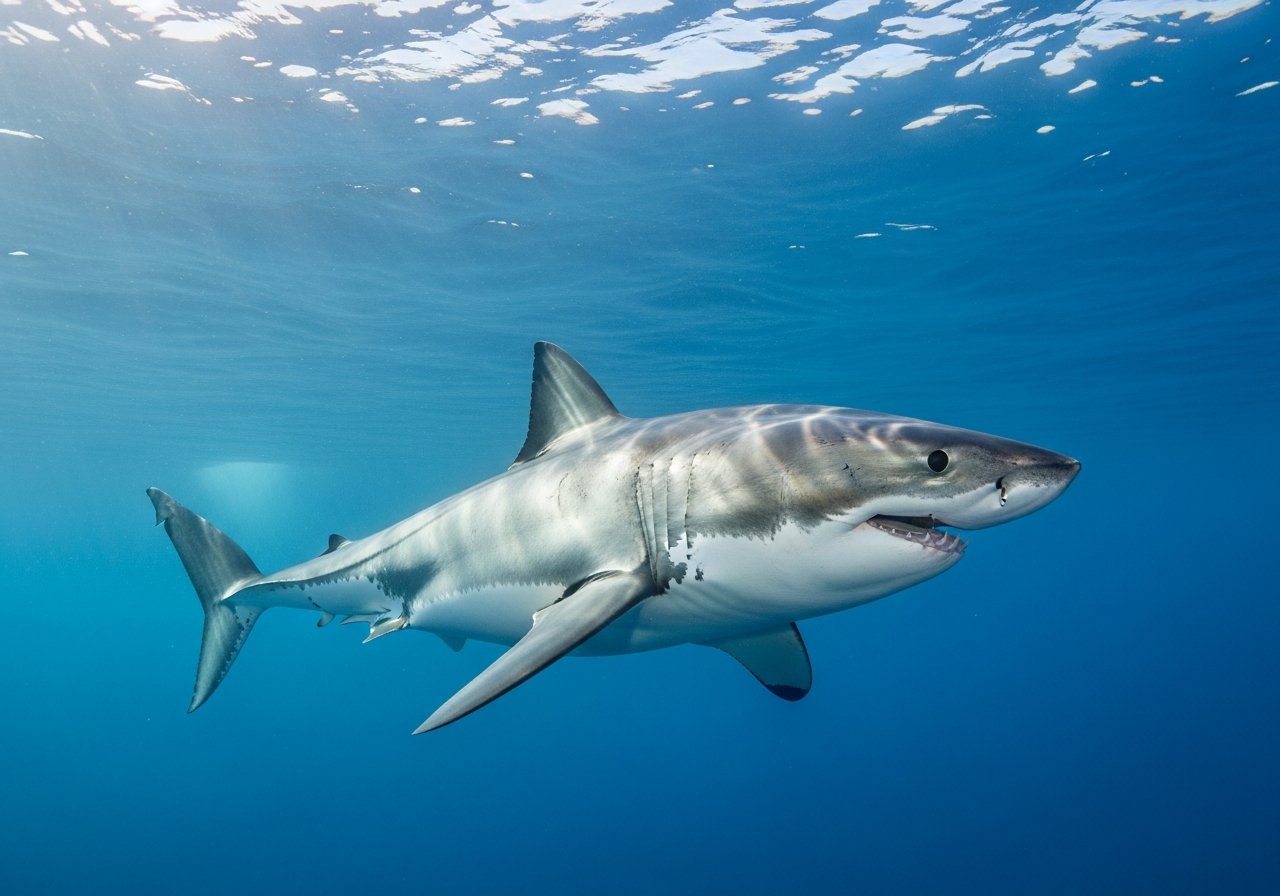
- Great White Shark Same class
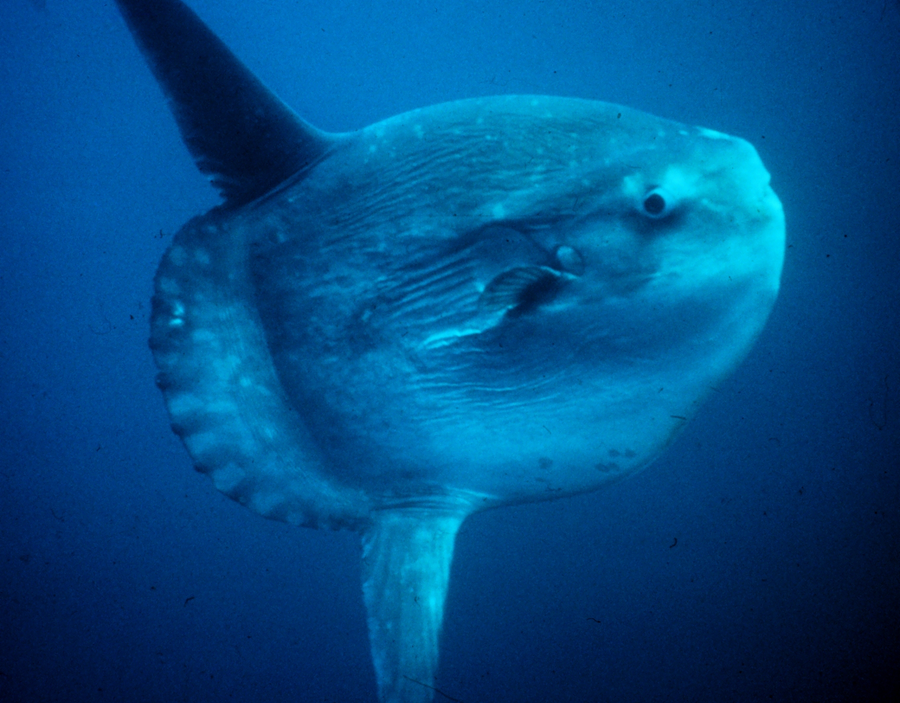
- Ocean Sunfish Same class
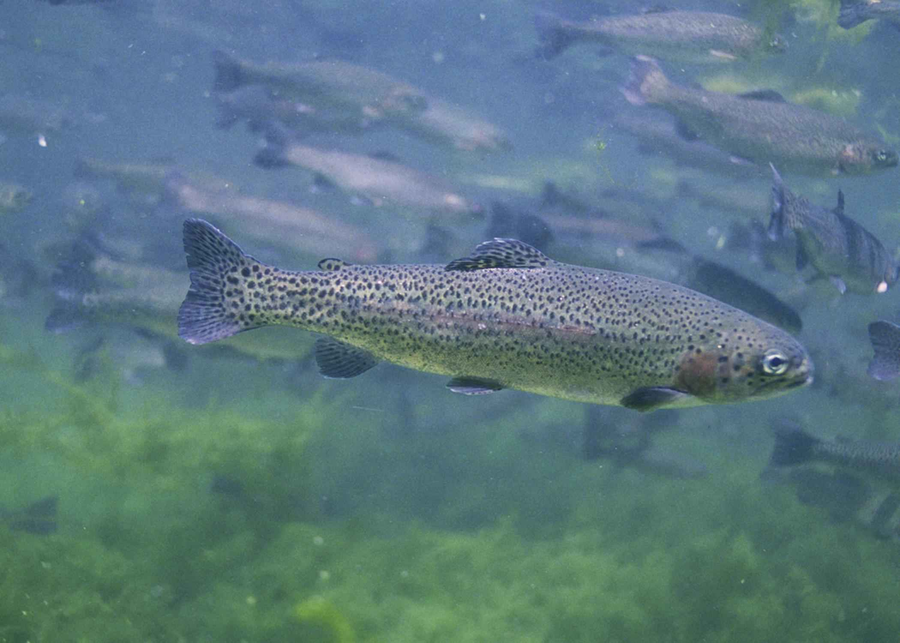
- Rainbow Trout Same class
Collections
Conservation status of the European Eel
The european eel (Anguilla anguilla) is listed as Critically Endangered on the IUCN Red List. Critically Endangered (CR) is the highest-risk category the IUCN Red List assigns to a wild species before Extinct in the Wild. It means a species faces an extremely high probability of extinction — usually because its population has collapsed, its range has shrunk drastically, or very few mature individuals remain. Species at this level typically depend on active conservation to survive.
The european eel (Anguilla anguilla) is assessed on the IUCN Red List. Look up on the IUCN Red List .
Frequently asked questions about the European Eel
Where do European eels breed?
European eels breed in the Sargasso Sea in the western Atlantic Ocean. Adults swim between 5,000 and 10,000 km from European rivers to spawn there, and they die afterward.
How long do European eels live?
European eels can live for 20 years or more in rivers before beginning their final migration. They die after spawning at the end of that journey.
Why is the European eel endangered?
It is listed as Critically Endangered because arrivals of young eels have fallen by more than 95 percent. Dams blocking migration, habitat loss, pollution, parasites and overfishing have all driven the decline.
What do European eels eat?
European eels are carnivores that hunt mainly at night, eating fish, worms, crustaceans and insect larvae. They stop feeding entirely once they begin their migration to the sea to spawn.
How big do European eels get?
Adult European eels typically reach about 1 m in length and can weigh up to roughly 2.5 kg. Females tend to grow larger than males.
What is a glass eel?
A glass eel is a young, transparent stage of the European eel that reaches coastal waters after drifting from the Sargasso Sea. They then darken into elvers as they move up rivers.
What is a group of european eels called?
A group of European Eels is called a swarm. It is also known as a bed.
What is a baby european eel called?
A baby European Eel is called a leptocephalus.
Sources & references
This guide is compiled and reviewed against established zoological and conservation references. Key sources for the European Eel:
-
IUCN Red List of Threatened Species
Conservation status (Critically Endangered) reflects the IUCN Red List category for Anguilla anguilla.
-
iNaturalist — observations & photos
Search citizen-science observations and community IDs for Anguilla anguilla. Useful for range checks and recent sightings — not a substitute for formal Red List status.
-
GBIF — occurrence data
Global Biodiversity Information Facility species search for Anguilla anguilla. Explore published occurrence records used in range research.
-
Global Animal Guide editorial standards
How we research, source, review, and update every guide for accuracy.