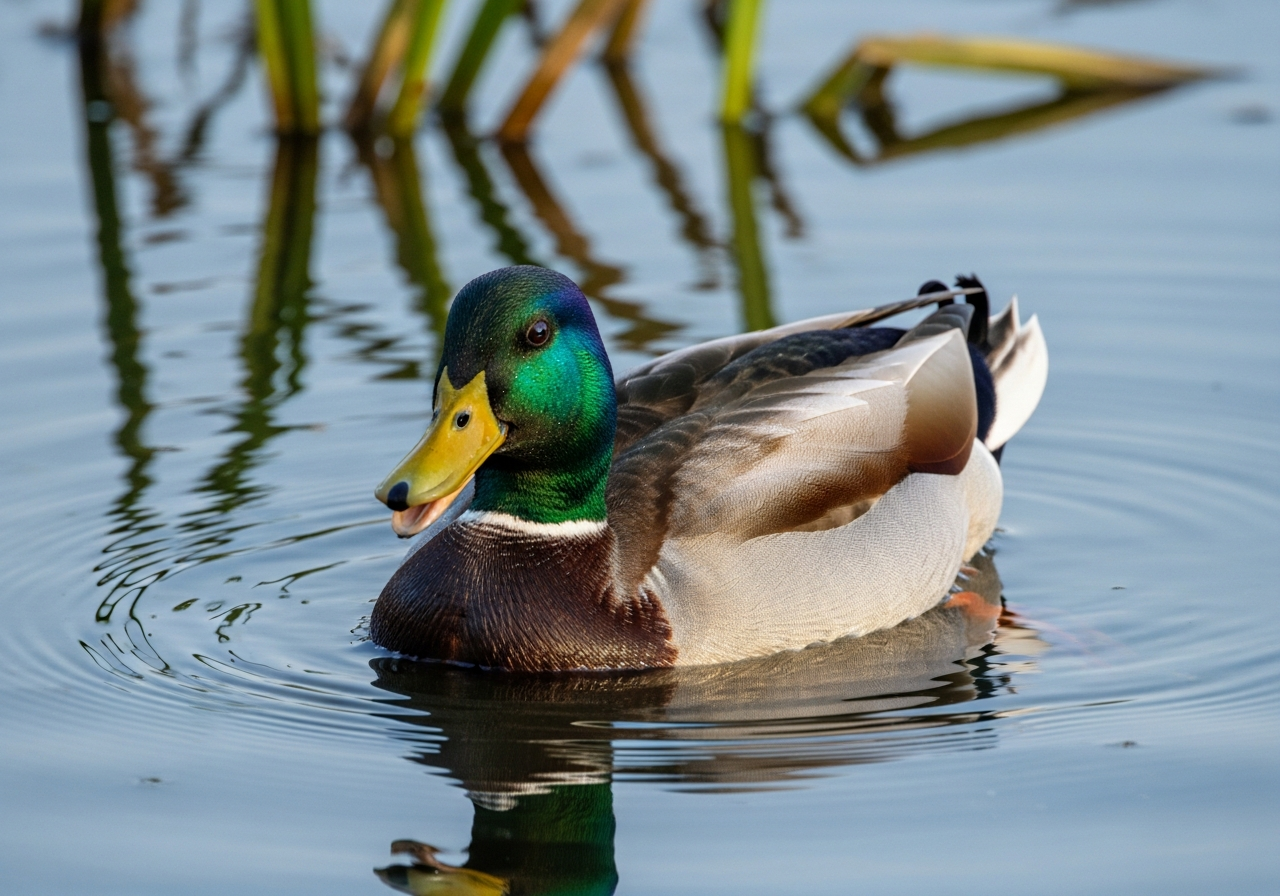
Quick answer
Mallards (Anas platyrhynchos) typically live around 5–10 years in the wild. Wild averages fall when predation, disease, or habitat loss rise; managed populations can live longer with stable food and veterinary care.
Key takeaway
Mallards (Anas platyrhynchos) typically live around 5–10 years in the wild. Wild averages fall when predation, disease, or habitat loss rise; managed populations can live longer with stable food and veterinary care.
Mallard lifespan in the wild
Field and museum records place most mallards near 5–10 years in the wild. That figure blends ages at death across regions, so treat it as a planning range. Body size (about 1.1 kg) and risk lifestyle both shape the average.
What shortens mallard lives
Predation, infectious disease, injury, food shortages, and habitat fragmentation cut survival. Roadkill and human conflict matter wherever mallards share landscapes with people.
What helps mallards live longer
Connected habitat, low chronic stress, and reliable food support longevity. For captive or domestic relatives, species-correct diet and veterinary screening matter more than generic “pet” advice.
Mallard life stages
Juveniles usually face higher mortality than prime adults. Older animals may move less, show dental wear, or lose body condition — useful signs when ageing mallards in the field.
Breeding and ducklings
The familiar "quack" most people know is actually the call of the female. Hens build hidden nests near water and lay around a dozen eggs. Ducklings hatch covered in down and able to swim and feed themselves within a day, following their mother to water while she guards them closely from predators.
Habitat and global success
Mallards live across North America, Europe, Asia, and North Africa and have been introduced elsewhere, making them one of the most widespread ducks on Earth. They thrive in almost any wetland, from wild marshes to urban park ponds, and their adaptability and willingness to live near people have helped them flourish worldwide.
Sources
Mallard FAQs
How long do mallards live?
Mallards (Anas platyrhynchos) typically live around 5–10 years in the wild. Wild averages fall when predation, disease, or habitat loss rise; managed populations can live longer with stable food and veterinary care.
What is the scientific name of the mallard?
Anas platyrhynchos — used in research and conservation listings for mallards.
What do mallards eat?
Mallards eat plants, seeds, insects and invertebrates, with seasonal and regional variation in Lakes, rivers, marshes, and city ponds.
Where do mallards live?
They are associated with Lakes, rivers, marshes, and city ponds. Local presence depends on food, cover, and human land use.
What is the conservation status of mallards?
Listed in our guides as Least Concern. Check the IUCN Red List and national assessments for the latest formal category.
Who this page is for.This page is a species lifespan range. Skip it if you need a prognosis for one named animal.