Image sourcing: see credits & licences
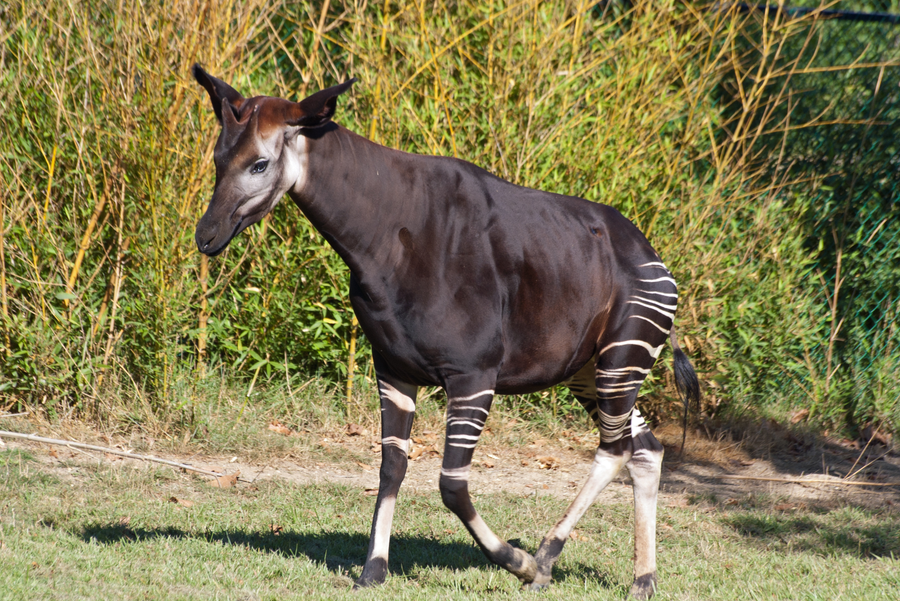
The okapi (Okapia johnstoni) is a mammal of the giraffe family, Giraffidae, in the order Artiodactyla.
Quick answer
The okapi is the only living relative of the giraffe, with zebra-like stripes on the legs and a long blue tongue for browsing leaves. It lives in dense rainforest in the Democratic Republic of Congo, weighs up to 250 kg (550 lb), and is listed Endangered due to poaching and habitat loss.
Top questions about the Okapi
Also available in Español (Okapi)
Okapi facts at a glance
- Weight 250 kg
- Length 2.2 m
- Top speed 60 km/h
- Lifespan 30 years
| Scientific name | Okapia johnstoni |
|---|---|
| Diet | Leaves, shoots, fruit, and fungi |
| Habitat | Ituri and other lowland rainforests of the Democratic Republic of Congo |
| Lifespan | 25–30 years in the wild |
| Weight | 200–250 kg (440–550 lb); males heavier |
| Top speed | Up to 60 km/h (37 mph) in short bursts through forest |
| Conservation status | Endangered (IUCN) |
| Kingdom | Animalia |
|---|---|
| Phylum | Chordata |
| Class | Mammalia |
| Order | Artiodactyla |
| Family | Giraffidae |
| Genus | Okapia |
Where it lives
The okapi (Okapia johnstoni) is native to Lowland and montane rainforest in the Democratic Republic of Congo, especially the Ituri Forest. — recorded across Africa in this guide’s range summary.
For occurrence records, see GBIF species search and sources below.
How big is a okapi?
An adult okapi measures 2.2 m long — about 1.3× the height of an average adult person (1.73 m) — and weighs around 250 kg, about 3.6× an average adult’s body weight (70 kg).
Length vs an average adult’s height (to scale)
What is a group of okapis called?
Group name (collective noun)
A group of Okapis is called a herd.
Baby name
A baby Okapi is called a calf.
Explore more animal collective nouns and baby animal names .
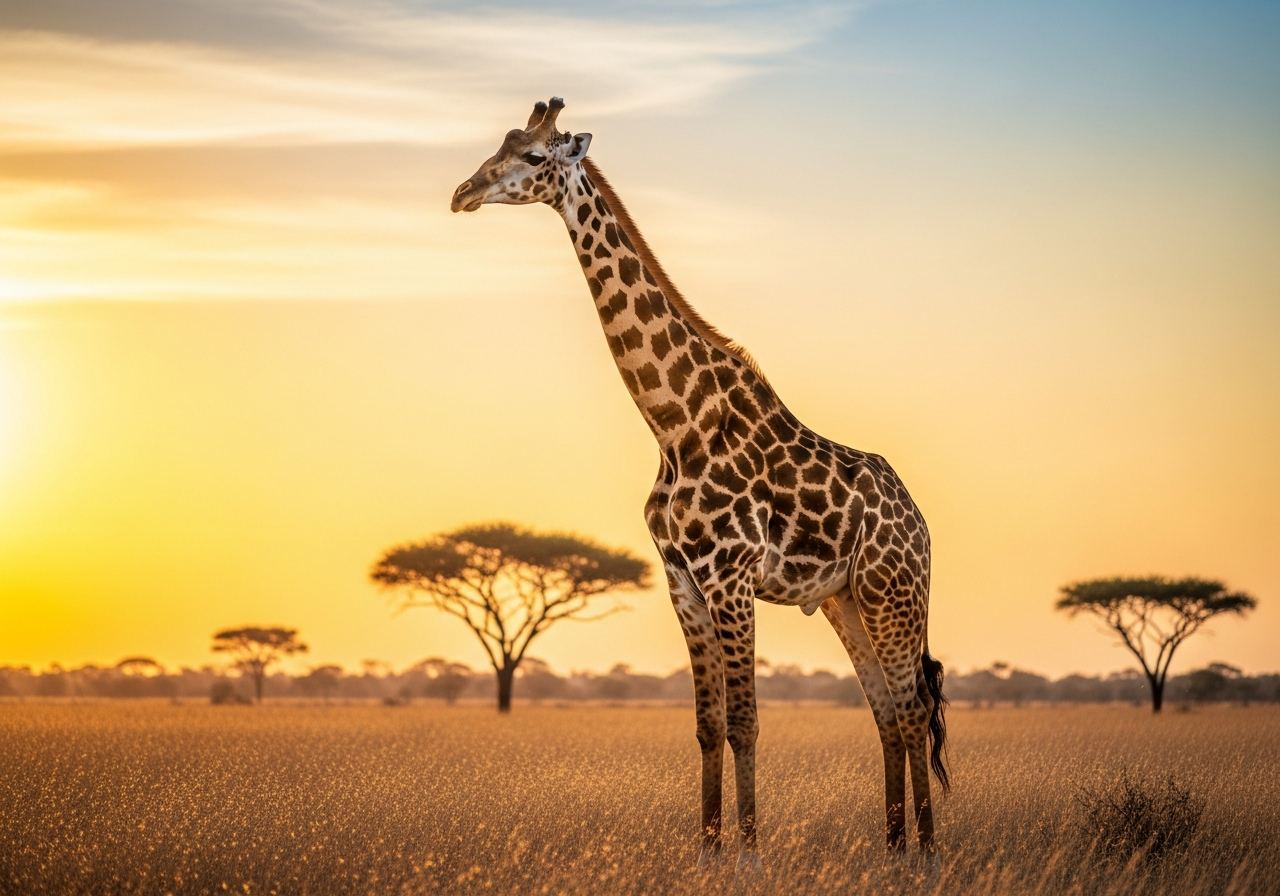
Giraffe's only cousin
Okapis share giraffe-like ossicones (horn-like bumps), long prehensile tongues, and specialised neck vertebrae despite their very different appearance. Striped legs may help calves follow mothers through dim forest.
Elusive forest dweller
Okapis were unknown to Western science until 1901 because dense Congo rainforest hides them so effectively. They are largely solitary, marking territory with scent glands on hooves and communicating with infrasonic calls.
Browsing and reproduction
Okapis browse more than 100 plant species, including toxic plants that would sicken many herbivores. Females hide calves in vegetation for weeks, visiting to nurse — a strategy to reduce predation by leopards.
Conservation in a conflict zone
Okapi Wildlife Reserve in DRC protects roughly one-fifth of the wild population, but rebel activity, snaring, and deforestation threaten recovery. Estimates suggest 10,000–35,000 okapis remain — declining.
Explore the Okapi
Close relatives
- Giraffe Same family
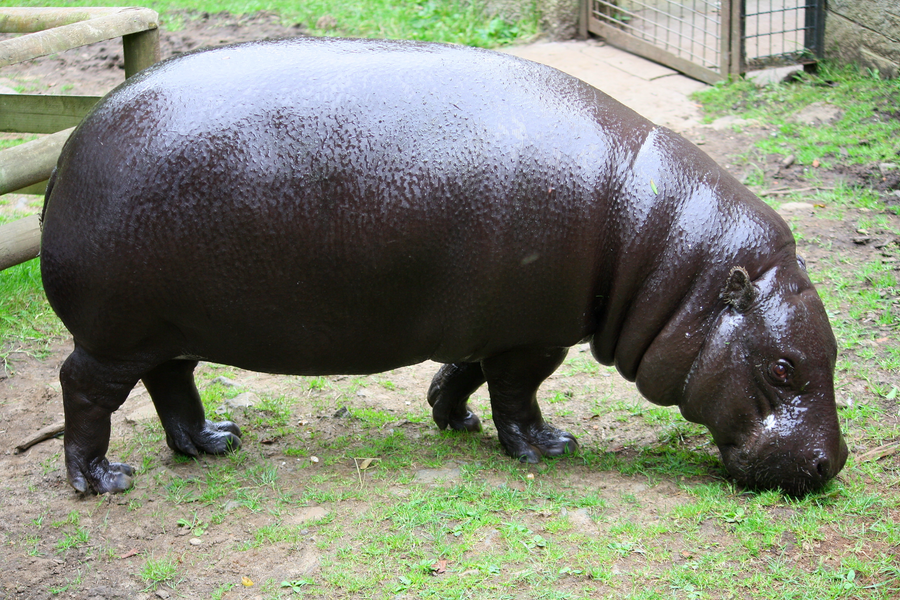
- Pygmy Hippopotamus Same order
- Blue Whale Same order
- Cow Same order
Collections
Range & geography
Did you know? Okapi facts
- Okapis are the only living relatives of giraffes — they share long tongues and ossicones despite looking like zebras.
- Western science did not confirm the okapi until 1901, though indigenous peoples knew it for centuries.
- An okapi's 35 cm tongue is dark purple and long enough to clean its own eyelids and ears.
- Okapis live only in the dense Ituri Rainforest of the Democratic Republic of Congo.
Diet & feeding
Leaves, shoots, fruits, and fungi from more than 100 plant species; visits natural salt licks for minerals.
Adaptations
- Large, mobile ears detect subtle forest sounds; oily fur sheds water in humid understory.
- Striped hindquarters may help calves follow mothers through dim forest light.
- Prehensile tongue strips leaves from branches giraffe-style despite shorter neck.
Behaviour & ecology
- Solitary and secretive — individuals overlap ranges but rarely meet except to breed.
- Scent-marking with urine and gland secretions on vegetation marks territory.
Communication
- Low-frequency infrasound may travel through dense forest — research ongoing.
- Chuffing and bleating during courtship; calves mew softly to mothers.
Habitat & range
Primary and secondary tropical rainforest in the Congo Basin, favouring areas with understory browse and mineral licks.
Ecological role
Browsing herbivore that disperses seeds and maintains forest understory structure through selective feeding.
Conservation status of the Okapi
The okapi (Okapia johnstoni) is listed as Endangered on the IUCN Red List. Endangered (EN) means a species faces a very high risk of extinction in the wild. Populations are usually declining sharply due to habitat loss, hunting, disease, or climate pressure. It sits one level below Critically Endangered on the IUCN Red List.
The okapi (Okapia johnstoni) is assessed on the IUCN Red List. Look up on the IUCN Red List .
Frequently asked questions about the Okapi
Why do okapis have zebra stripes?
Leg stripes may help calves follow mothers through dark forest and confuse predators — they are not for savanna camouflage like zebra body stripes.
How many okapis are left?
Roughly 10,000–35,000 in the wild, all in DRC. Populations are declining due to habitat loss, poaching, and civil instability.
Are okapis giraffes?
They are the giraffe family's only other living member — not a cross between giraffe and zebra despite the striped legs.
Where do okapis live?
Lowland and montane rainforest in the Democratic Republic of Congo, especially the Ituri Forest.
Are okapis endangered?
Yes — listed Endangered on the IUCN Red List, mainly from bushmeat hunting, snares, and logging.
What is a group of okapis called?
A group of Okapis is called a herd.
What is a baby okapi called?
A baby Okapi is called a calf.
Sources & references
This guide is compiled and reviewed against established zoological and conservation references. Key sources for the Okapi:
-
IUCN Red List of Threatened Species
Conservation status (Endangered) reflects the IUCN Red List category for Okapia johnstoni.
-
iNaturalist — observations & photos
Search citizen-science observations and community IDs for Okapia johnstoni. Useful for range checks and recent sightings — not a substitute for formal Red List status.
-
GBIF — occurrence data
Global Biodiversity Information Facility species search for Okapia johnstoni. Explore published occurrence records used in range research.
- Mallon, D. et al. (2013). Okapia johnstoni. IUCN Red List of Threatened Species.
Endangered status and population trend.
- Animal Diversity Web — Okapia johnstoni. University of Michigan Museum of Zoology.
Life history and morphology.
-
Global Animal Guide editorial standards
How we research, source, review, and update every guide for accuracy.