Image sourcing: see credits & licences
The serval (Leptailurus serval) is a mammal of the cat family, Felidae, in the order Carnivora.
Quick answer
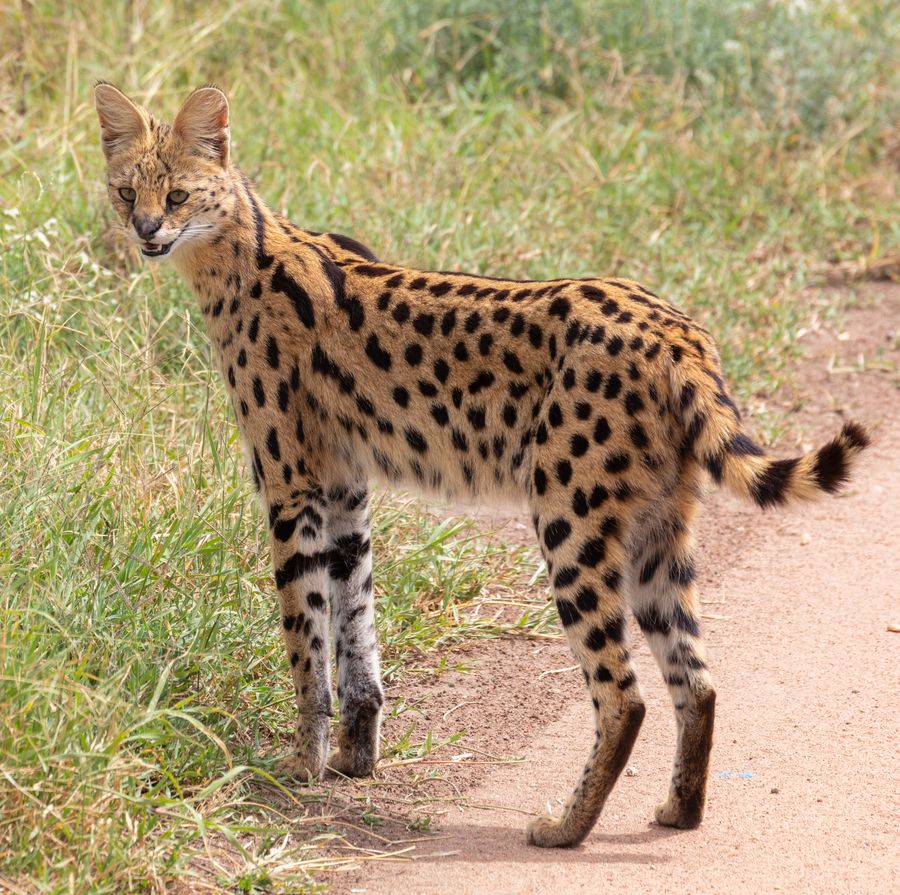
The serval is a slender African wild cat with the longest legs relative to body size of any felid, huge ears, and a high vertical pounce that plucks birds and rodents from tall grass. Weighing 9–18 kg (20–40 lb), it hunts in savannas and wetlands and is Least Concern across sub-Saharan Africa.
Top questions about the Serval
Serval facts at a glance
- Weight 12 kg
- Length 1 m
- Top speed 80 km/h
- Lifespan 19 years
| Scientific name | Leptailurus serval |
|---|---|
| Diet | Carnivore — rodents, birds, frogs, and insects |
| Habitat | African savannas, grasslands, and wetlands near water |
| Lifespan | 10–19 years in the wild |
| Weight | 9–18 kg (20–40 lb); males larger |
| Top speed | Up to 80 km/h (50 mph); pounces 3+ metres vertically |
| Conservation status | Least Concern (IUCN) |
| Kingdom | Animalia |
|---|---|
| Phylum | Chordata |
| Class | Mammalia |
| Order | Carnivora |
| Family | Felidae |
| Genus | Leptailurus |
Where it lives
The serval (Leptailurus serval) is native to Savannas, grasslands, and wetlands of sub-Saharan Africa, absent from rainforest interiors and the Sahara Desert. — recorded across Africa in this guide’s range summary.
For occurrence records, see GBIF species search and sources below.
How big is a serval?
An adult serval measures 1 m long — about 58% of the height of an average adult person (1.73 m) — and weighs around 12 kg, about 17% of an average adult’s body weight (70 kg).
Length vs an average adult’s height (to scale)
What is a group of servals called?
Group name (collective noun)
A group of Servals is called a clowder.
Baby name
A baby Serval is called a kitten.
Explore more animal collective nouns and baby animal names .
Vertical pounce hunting
Servals locate prey by sound in tall grass, then leap straight up and strike down with forepaws — catching more than 50% of targets in some studies. This spectacular hunting style is unique among cats and inspired the domestic savannah cat breed.
Acute hearing
Enormous ears with sharp localisation help servals detect rodents rustling underground or birds moving in grass. Large ear bones and tight skull attachment maximise sensitivity — servals often hunt with eyes closed, relying entirely on sound.
Territory and water
Servals need grassland near water and cover for denning. Territories overlap minimally between same-sex adults. They are mainly crepuscular and solitary, though pairs may associate briefly during breeding.
Conservation and hybridisation
Least Concern across much of Africa, servals face wetland drainage and bushmeat snares locally. Hybridisation with domestic cats occurs in captivity for the pet trade — controversial and illegal in many countries because wild servals do not make suitable pets.
Dig deeper into the Serval
- How Fast Is A Serval?
Serval top speed is up to about 80 km/h (50 mph); pounces 3+ metres vertically. Sprint vs endurance and what limits pace.
- How Long Do Servals Live?
Serval lifespan is typically 10–19 years in the wild. What shortens or extends life, life stages, and status (Least Concern).
- Serval: Key Facts
The serval is a slender African wild cat with the longest legs relative to body size of any felid, huge ears, and a high vertical pounce that plucks…
- What Do Servals Eat?
What servals eat: Carnivore — rodents, birds, frogs, and insects, foraging style, and seasonal shifts in African savannas, grasslands, and wetlands near water.
- Where Do Servals Live?
Where servals live: African savannas, grasslands, and wetlands near water, native range cues, and human overlap. Status Least Concern.
Explore the Serval
Compare
Range & geography
Did you know? Serval facts
- The serval is a slender African wild cat with the longest legs relative to body size of any felid, huge ears, and a high vertical pounce that plucks birds and rodents from tall grass.
- Over 3 metres vertically — higher relative to body size than almost any other cat — to pin birds and rodents.
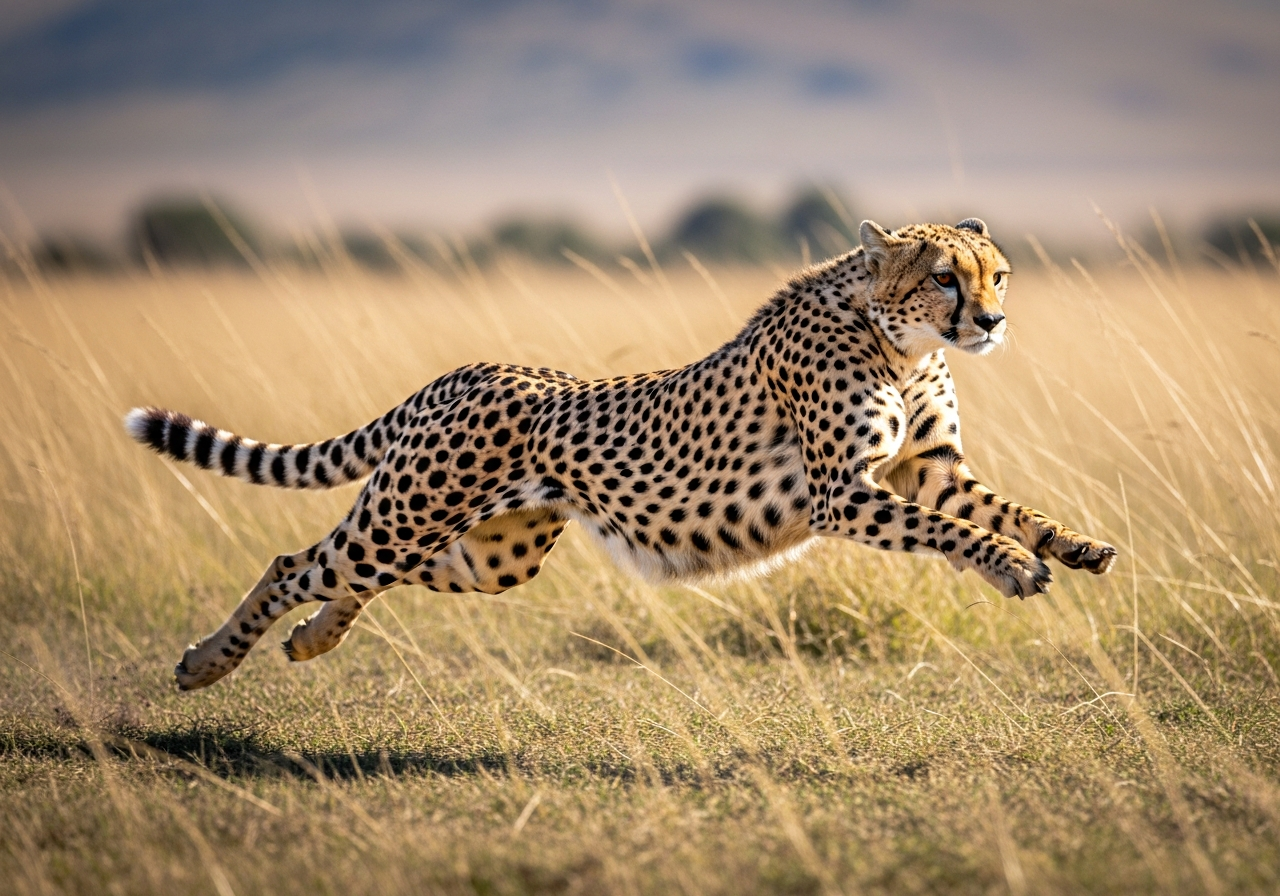
- Servals are much smaller and hunt by listening and pouncing, not sprinting. Cheetahs chase prey at high speed in open savanna.
- Laws vary by country and state. They are wild cats with spray, claw, and dietary needs far beyond domestic cats — generally unsuitable as pets.
- Sub-Saharan Africa in savanna, grassland, and marsh — absent from rainforest interiors and the Sahara.
- Conservation: Least Concern (IUCN).
Diet & feeding
Serval feeds primarily as a carnivore — rodents, birds, frogs, and insects. Servals locate prey by sound in tall grass, then leap straight up and strike down with forepaws — catching more than 50% of targets in some studies. This spectacular hunting style is unique among cats and inspired the domestic savannah cat bree
Adaptations
- Servals locate prey by sound in tall grass, then leap straight up and strike down with forepaws — catching more than 50% of targets in some studies. This spectacular hunting style is unique among cats and inspired the domestic savannah cat breed.
- Enormous ears with sharp localisation help servals detect rodents rustling underground or birds moving in grass. Large ear bones and tight skull attachment maximise sensitivity — servals often hunt with eyes closed, relying entirely on sound.
Behaviour & ecology
- Servals locate prey by sound in tall grass, then leap straight up and strike down with forepaws — catching more than 50% of targets in some studies. This spectacular hunting style is unique among cats and inspired the domestic savannah cat breed.
- Enormous ears with sharp localisation help servals detect rodents rustling underground or birds moving in grass. Large ear bones and tight skull attachment maximise sensitivity — servals often hunt with eyes closed, relying entirely on sound.
- Servals need grassland near water and cover for denning. Territories overlap minimally between same-sex adults. They are mainly crepuscular and solitary, though pairs may associate briefly during breeding.
Communication
- Serval uses scent, posture, and vocal signals to mark territory and coordinate social behaviour.
- Communication intensity often peaks during breeding seasons and territorial disputes.
Habitat & range
African savannas, grasslands, and wetlands near water
Ecological role
Serval acts as a predator that helps regulate prey populations and maintain balance in african savannas, grasslands, and wetlands near water.
Conservation status of the Serval
The serval (Leptailurus serval) is listed as Least Concern on the IUCN Red List. Least Concern (LC) is the IUCN's lowest-risk category, assigned to widespread, abundant species that have been evaluated and found not to be threatened. It does not mean a species faces no pressures — only that it is not currently at risk of extinction.
The serval (Leptailurus serval) is assessed on the IUCN Red List. Look up on the IUCN Red List .
Frequently asked questions about the Serval
How high can a serval jump?
Over 3 metres vertically — higher relative to body size than almost any other cat — to pin birds and rodents.
Serval vs cheetah?
Servals are much smaller and hunt by listening and pouncing, not sprinting. Cheetahs chase prey at high speed in open savanna.
Are servals legal as pets?
Laws vary by country and state. They are wild cats with spray, claw, and dietary needs far beyond domestic cats — generally unsuitable as pets.
Where do servals live?
Sub-Saharan Africa in savanna, grassland, and marsh — absent from rainforest interiors and the Sahara.
What do servals eat?
Mainly rodents and vlei rats, plus birds, frogs, insects, and occasionally small antelope fawns.
What is a group of servals called?
A group of Servals is called a clowder.
What is a baby serval called?
A baby Serval is called a kitten.
Sources & references
This guide is compiled and reviewed against established zoological and conservation references. Key sources for the Serval:
-
IUCN Red List of Threatened Species
Conservation status (Least Concern) reflects the IUCN Red List category for Leptailurus serval.
-
iNaturalist — observations & photos
Search citizen-science observations and community IDs for Leptailurus serval. Useful for range checks and recent sightings — not a substitute for formal Red List status.
-
GBIF — occurrence data
Global Biodiversity Information Facility species search for Leptailurus serval. Explore published occurrence records used in range research.
- IUCN Red List — Leptailurus serval.
Conservation status (Least Concern) and population trends.
- Animal Diversity Web — Leptailurus serval. University of Michigan Museum of Zoology.
Life history, morphology, and range.
-
Global Animal Guide editorial standards
How we research, source, review, and update every guide for accuracy.