Quick answer
Chipmunks live in Deciduous forest, woodland edges, suburbs. Within that range they pick microhabitats that supply cover, food (Omnivore (seeds, nuts, fruit, insects)), water, and breeding sites — and they disappear where those features are lost.
Key takeaway
Chipmunks live in Deciduous forest, woodland edges, suburbs. Within that range they pick microhabitats that supply cover, food (Omnivore (seeds, nuts, fruit, insects)), water, and breeding sites — and they disappear where those features are lost.
Chipmunk native habitat
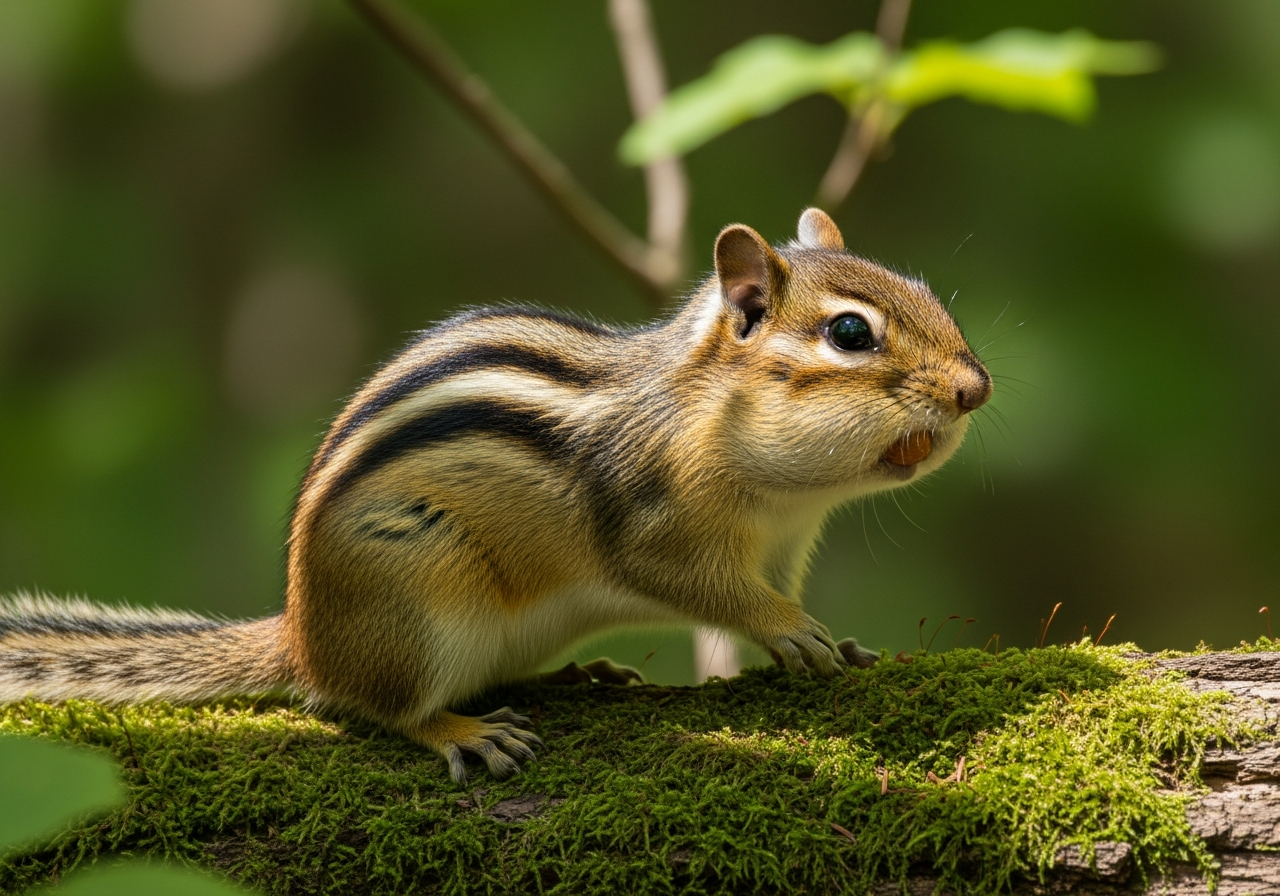
Chipmunks (Tamias striatus) are tied to Deciduous forest, woodland edges, suburbs. Look for sites that match their diet (Omnivore (seeds, nuts, fruit, insects)) and movement style; seasonal rains or prey shifts can expand or shrink local occupancy.
Microhabitats chipmunks prefer
Cover for resting, access to food, and safe breeding sites decide day-to-day use. Edge habitats can help adaptable populations but fail specialists that need continuous wild land.
How people change Chipmunk range
Farms, suburbs, and roads create opportunity for some individuals and lethal risk for others. Fragmentation without corridors isolates chipmunk groups and raises local extinction risk.
Conservation geography for chipmunks
Status in our guides: <strong>Least Concern</strong>. Protecting linked habitat often beats a single fenced reserve. Watch from a distance and never feed wild chipmunks.
Burrows and winter torpor
Eastern chipmunks dig extensive burrow systems with tunnels, sleeping chambers, and storage rooms, often with well-hidden entrances. Through the coldest months they enter torpor, dropping their body temperature and heart rate to save energy, but they are not deeply asleep all winter — they rouse to feed on their hoard and may emerge on mild days.
Diet and behaviour
Chipmunks are omnivores that eat seeds, nuts, berries, fungi, buds, and insects, and occasionally bird eggs or small invertebrates. They are mostly solitary and territorial, active by day, and use a range of sharp 'chip' and 'chuck' calls to warn of predators such as hawks, foxes, snakes, and domestic cats.
Sources
Chipmunk FAQs
Where do chipmunks live?
Chipmunks live in Deciduous forest, woodland edges, suburbs. Within that range they pick microhabitats that supply cover, food (Omnivore (seeds, nuts, fruit, insects)), water, and breeding sites — and they disappear where those features are lost.
What is the scientific name of the chipmunk?
Tamias striatus — used in research and conservation listings for chipmunks.
What do chipmunks eat?
Chipmunks eat seeds, nuts, fruit and insects, with seasonal and regional variation in Deciduous forest, woodland edges, suburbs.
What is the conservation status of chipmunks?
Listed in our guides as Least Concern. Check the IUCN Red List and national assessments for the latest formal category.
Who this page is for.This page is native range and habitat, not a sighting hotline.