The harbor seal (Phoca vitulina) is a mammal of the true seal family, Phocidae, in the order Carnivora.
Quick answer
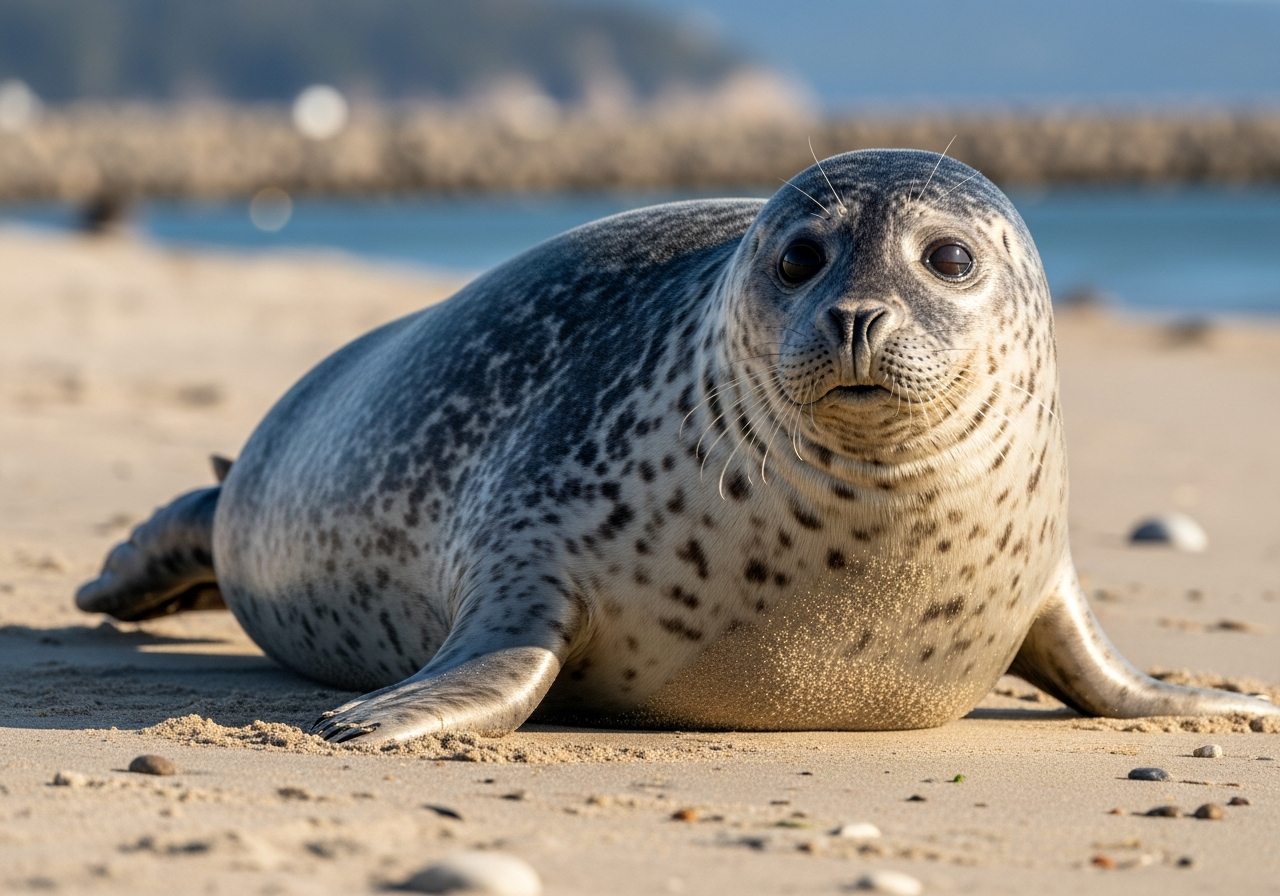
The harbor seal is a true (earless) seal found along cool coasts across the Northern Hemisphere. It has a plump, spotted coat, no visible ear flaps, and large dark eyes. Harbor seals reach about 1.8 m (6 ft), live 25 to 30 years, and haul out on rocks and beaches to rest.
Top questions about the Harbor Seal
Harbor Seal facts at a glance
- Weight 100 kg
- Length 1.8 m
- Top speed 30 km/h
- Lifespan 30 years
| Scientific name | Phoca vitulina |
|---|---|
| Diet | Carnivore (fish, squid, crustaceans) |
| Habitat | Temperate and Arctic coastal waters |
| Lifespan | 25–30 years |
| Weight | 55–130 kg (120–290 lb) |
| Length | 1.5–1.9 m (5–6 ft) |
| Conservation status | Least Concern (IUCN) |
| Kingdom | Animalia |
|---|---|
| Phylum | Chordata |
| Class | Mammalia |
| Order | Carnivora |
| Family | Phocidae |
| Genus | Phoca |
Where it lives
The harbor seal (Phoca vitulina) is native to Temperate and Arctic coasts on both sides of the North Atlantic and North Pacific. — recorded across North America, Europe, Asia, Oceans in this guide’s range summary.
For occurrence records, see GBIF species search and sources below.
How big is a harbor seal?
An adult harbor seal measures 1.8 m long — about 1.0× the height of an average adult person (1.73 m) — and weighs around 100 kg, about 1.4× an average adult’s body weight (70 kg).
Length vs an average adult’s height (to scale)
What is a group of harbor seals called?
Group name (collective noun)
A group of Harbor Seals is called a colony. It is also known as a rookery or a herd.
Baby name
A baby Harbor Seal is called a pup.
Explore more animal collective nouns and baby animal names .
A true, earless seal
The harbor seal is a true seal, meaning it has no external ear flaps — just small ear openings — and short front flippers. On land it cannot bring its hind flippers under its body, so it moves with a caterpillar-like wriggle. In the water, though, it is a graceful diver, powered by side-to-side strokes of its hind flippers.
Diving and feeding
Harbor seals are carnivores that hunt fish, squid, and crustaceans. They commonly dive for several minutes and can stay underwater for over twenty, slowing their heart rate to save oxygen. Their long, sensitive whiskers detect the water trails left by swimming fish, helping them hunt even in dark or cloudy water.
Pups that swim within hours
Harbor seal mothers give birth to a single pup that can swim and dive almost immediately after birth. Pups nurse on extremely rich milk for around four to six weeks, gaining weight quickly before being weaned. Mothers often leave pups resting on shore while they forage nearby, so a lone pup is usually not abandoned.
Habitat and range
Harbor seals are among the most widespread of all seals, living along temperate and Arctic shorelines on both sides of the North Atlantic and North Pacific. They favor sheltered bays, estuaries, and rocky coasts, where they haul out on rocks, sandbars, and beaches to rest between feeding trips.
Conservation
Harbor seals are listed as Least Concern overall, though some regional populations are declining. Threats include entanglement in fishing gear, pollution, disease outbreaks, and disturbance at haul-out sites. People are advised to keep their distance from resting seals and pups rather than approaching or trying to rescue them.
Dig deeper into the Harbor Seal
- Harbor Seal: Key Facts
The harbor seal is a true (earless) seal found along cool coasts across the Northern Hemisphere.
- How Fast Is A Harbor Seal?
Harbor Seal top speed is about about 30 km/h. Sprint vs endurance and what limits pace.
- How Long Do Harbor Seals Live?
Harbor Seal lifespan is typically 25–30 years. What shortens or extends life, life stages, and status (Least Concern).
- What Do Harbor Seals Eat?
What harbor seals eat: Carnivore (fish, squid, crustaceans), foraging style, and seasonal shifts in Temperate and Arctic coastal waters.
- Where Do Harbor Seals Live?
Where harbor seals live: Temperate and Arctic coastal waters, native range cues, and human overlap. Status Least Concern.
Explore the Harbor Seal
Close relatives
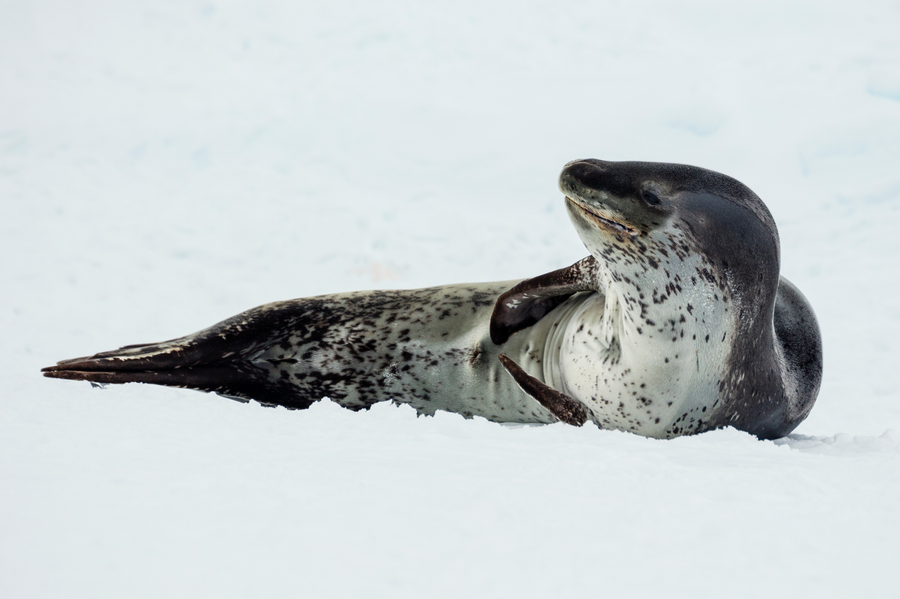
- Leopard Seal Same family
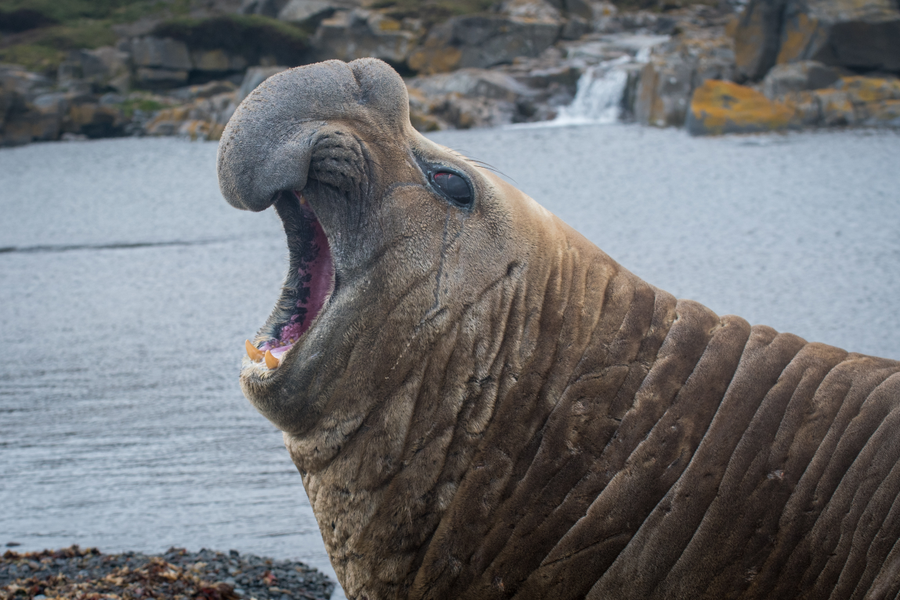
- Northern Elephant Seal Same family
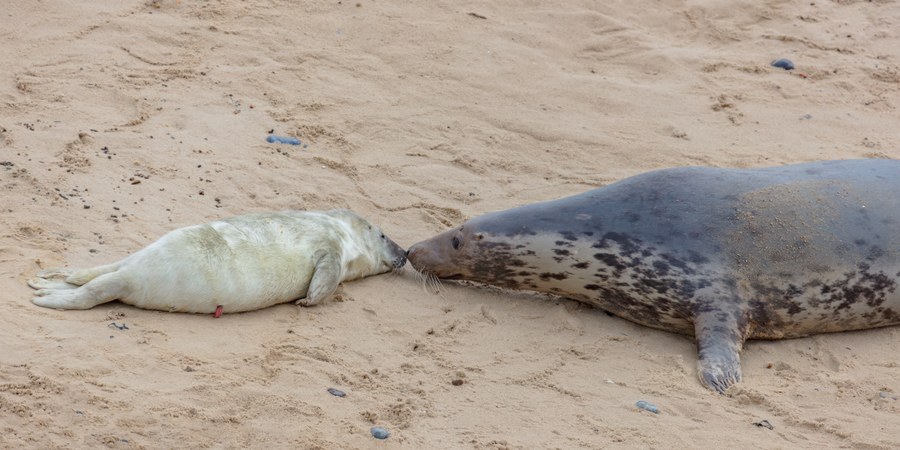
- Grey Seal Same family
- Lion Same order
Range & geography
Did you know? Harbor Seal facts
- The harbor seal is a true (earless) seal found along cool coasts across the Northern Hemisphere.
- No. Harbor seals are true seals with no visible ears that wriggle on land, while sea lions have ear flaps and walk on rotated flippers. Seals are also generally quieter and more solitary.
- Harbor seals are carnivores that feed on fish such as herring and cod, plus squid and crustaceans, locating prey with their highly sensitive whiskers.
- Usually no. Mothers often leave pups ashore while feeding nearby. Keep well back, keep dogs away, and contact a licensed marine mammal rescue group if a pup looks injured or distressed.
- Harbor seals routinely dive for several minutes and can stay underwater for more than twenty by slowing their heart rate and conserving oxygen.
- Conservation: Least Concern (IUCN).
Diet & feeding
Harbor Seal feeds primarily as a carnivore (fish, squid, crustaceans). Harbor seals are among the most widespread of all seals, living along temperate and Arctic shorelines on both sides of the North Atlantic and North Pacific. They favor sheltered bays, estuaries, and rocky coasts, where they haul out on rocks, sandba
Adaptations
- The harbor seal is a true seal, meaning it has no external ear flaps — just small ear openings — and short front flippers. On land it cannot bring its hind flippers under its body, so it moves with a caterpillar-like wriggle. In the water, though, it is a graceful diver, powered by side-to-side strokes of its hind flippers.
- Harbor seals are carnivores that hunt fish, squid, and crustaceans. They commonly dive for several minutes and can stay underwater for over twenty, slowing their heart rate to save oxygen. Their long, sensitive whiskers detect the water trails left by swimming fish, helping them hunt even in dark or cloudy water.
Behaviour & ecology
- The harbor seal is a true seal, meaning it has no external ear flaps — just small ear openings — and short front flippers. On land it cannot bring its hind flippers under its body, so it moves with a caterpillar-like wriggle. In the water, though, it is a graceful diver, powered by side-to-side strokes of its hind flippers.
- Harbor seals are carnivores that hunt fish, squid, and crustaceans. They commonly dive for several minutes and can stay underwater for over twenty, slowing their heart rate to save oxygen. Their long, sensitive whiskers detect the water trails left by swimming fish, helping them hunt even in dark or cloudy water.
- Harbor seal mothers give birth to a single pup that can swim and dive almost immediately after birth. Pups nurse on extremely rich milk for around four to six weeks, gaining weight quickly before being weaned. Mothers often leave pups resting on shore while they forage nearby, so a lone pup is usually not abandoned.
Communication
- Harbor Seal uses scent, posture, and vocal signals to mark territory and coordinate social behaviour.
- Communication intensity often peaks during breeding seasons and territorial disputes.
Habitat & range
Temperate and Arctic coastal waters
Ecological role
Harbor Seal acts as a predator that helps regulate prey populations and maintain balance in temperate and arctic coastal waters.
Conservation status of the Harbor Seal
The harbor seal (Phoca vitulina) is listed as Least Concern on the IUCN Red List. Least Concern (LC) is the IUCN's lowest-risk category, assigned to widespread, abundant species that have been evaluated and found not to be threatened. It does not mean a species faces no pressures — only that it is not currently at risk of extinction.
The harbor seal (Phoca vitulina) is assessed on the IUCN Red List. Look up on the IUCN Red List .
Frequently asked questions about the Harbor Seal
Are harbor seals the same as sea lions?
No. Harbor seals are true seals with no visible ears that wriggle on land, while sea lions have ear flaps and walk on rotated flippers. Seals are also generally quieter and more solitary.
What do harbor seals eat?
Harbor seals are carnivores that feed on fish such as herring and cod, plus squid and crustaceans, locating prey with their highly sensitive whiskers.
Should I help a seal pup alone on the beach?
Usually no. Mothers often leave pups ashore while feeding nearby. Keep well back, keep dogs away, and contact a licensed marine mammal rescue group if a pup looks injured or distressed.
How long can a harbor seal hold its breath?
Harbor seals routinely dive for several minutes and can stay underwater for more than twenty by slowing their heart rate and conserving oxygen.
How long do harbor seals live?
Harbor seals typically live 25 to 30 years in the wild, with females generally living longer than males.
What is a group of harbor seals called?
A group of Harbor Seals is called a colony. It is also known as a rookery or a herd.
What is a baby harbor seal called?
A baby Harbor Seal is called a pup.
Sources & references
This guide is compiled and reviewed against established zoological and conservation references. Key sources for the Harbor Seal:
-
IUCN Red List of Threatened Species
Conservation status (Least Concern) reflects the IUCN Red List category for Phoca vitulina.
-
iNaturalist — observations & photos
Search citizen-science observations and community IDs for Phoca vitulina. Useful for range checks and recent sightings — not a substitute for formal Red List status.
-
GBIF — occurrence data
Global Biodiversity Information Facility species search for Phoca vitulina. Explore published occurrence records used in range research.
- IUCN Red List — Phoca vitulina.
Conservation status (Least Concern) and population trends.
- Animal Diversity Web — Phoca vitulina. University of Michigan Museum of Zoology.
Life history, morphology, and range.
- Wikipedia — Harbor Seal.
General taxonomy and overview (cross-check primary sources).
-
Global Animal Guide editorial standards
How we research, source, review, and update every guide for accuracy.