Image sourcing: see credits & licences
The ocelot (Leopardus pardalis) is a mammal of the cat family, Felidae, in the order Carnivora.
Quick answer
The ocelot is a medium-sized spotted cat of Latin American forests, thorn scrub, and Texas borderlands, weighing 8–16 kg (18–35 lb) with a beautiful rosetted coat once prized by the fur trade. Nocturnal and solitary, it hunts rabbits, rodents, and birds and persists in a small Texas breeding population.
Top questions about the Ocelot
Ocelot facts at a glance
- Weight 12 kg
- Length 1 m
- Top speed 55 km/h
- Lifespan 14 years
| Scientific name | Leopardus pardalis |
|---|---|
| Diet | Carnivore — rodents, rabbits, birds, reptiles, and fish |
| Habitat | Tropical forest, thorn scrub, and marsh from Texas to Argentina |
| Lifespan | 10–14 years in the wild |
| Weight | 8–16 kg (18–35 lb); males larger |
| Top speed | Up to 55 km/h (34 mph) in ambush pursuit |
| Conservation status | Least Concern (IUCN) |
| Kingdom | Animalia |
|---|---|
| Phylum | Chordata |
| Class | Mammalia |
| Order | Carnivora |
| Family | Felidae |
| Genus | Leopardus |
Where it lives
The ocelot (Leopardus pardalis) is native to Tropical forest, thorn scrub, and marsh from southern Texas and Mexico through Central America to Argentina; a small breeding population persists in Texas. — recorded across North America, South America in this guide’s range summary.
For occurrence records, see GBIF species search and sources below.
How big is a ocelot?
An adult ocelot measures 1 m long — about 58% of the height of an average adult person (1.73 m) — and weighs around 12 kg, about 17% of an average adult’s body weight (70 kg).
Length vs an average adult’s height (to scale)
What is a group of ocelots called?
Group name (collective noun)
A group of Ocelots is called a clowder.
Baby name
A baby Ocelot is called a kitten.
Explore more animal collective nouns and baby animal names .
Rosettes and camouflage
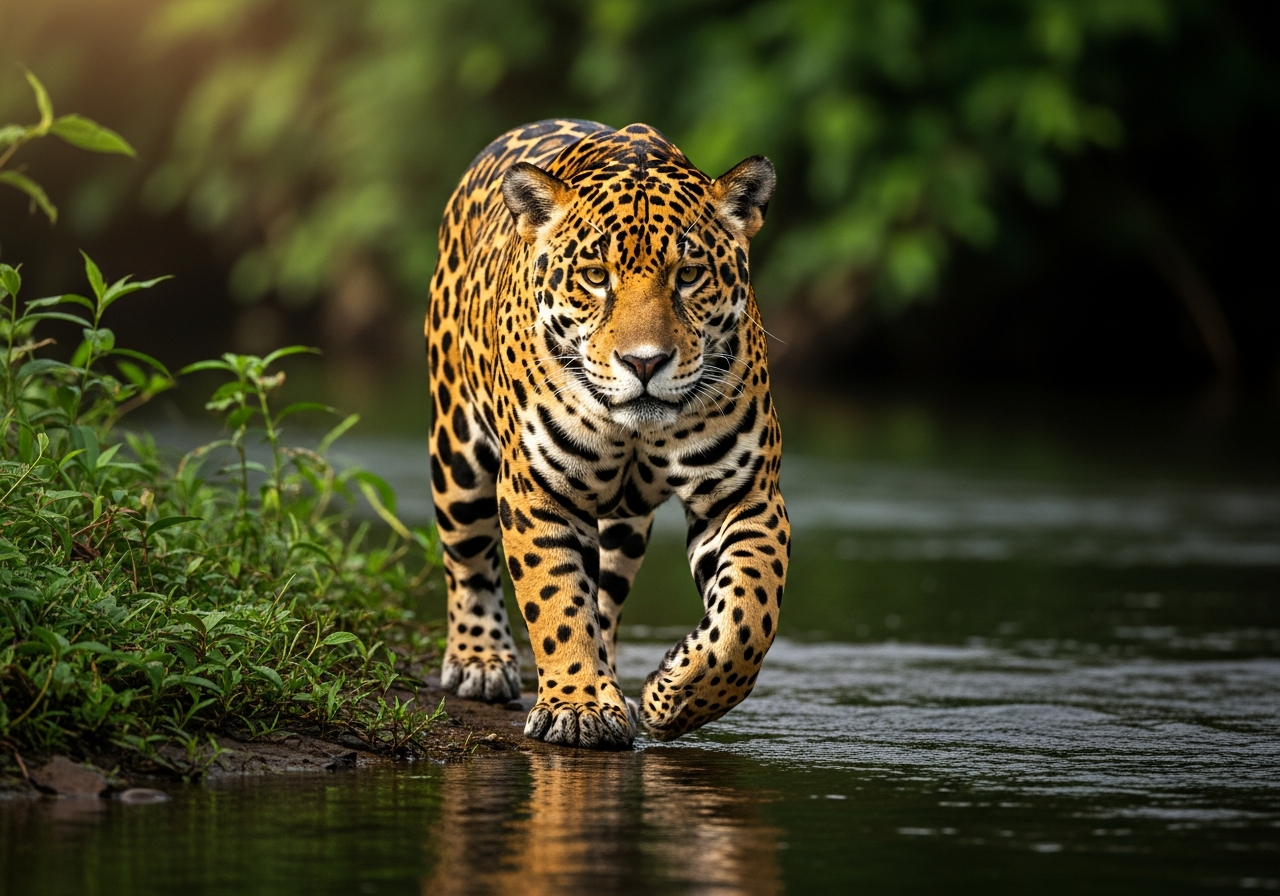
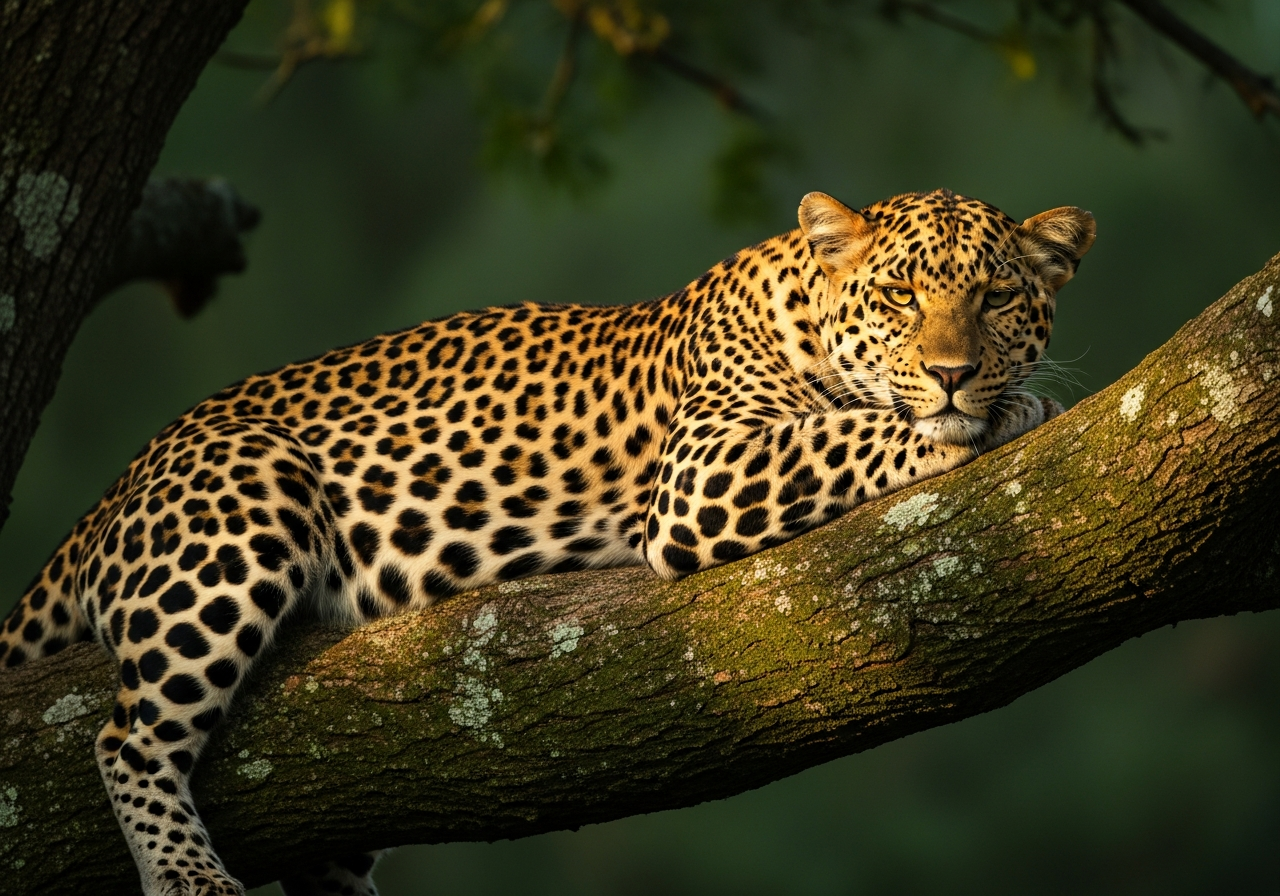
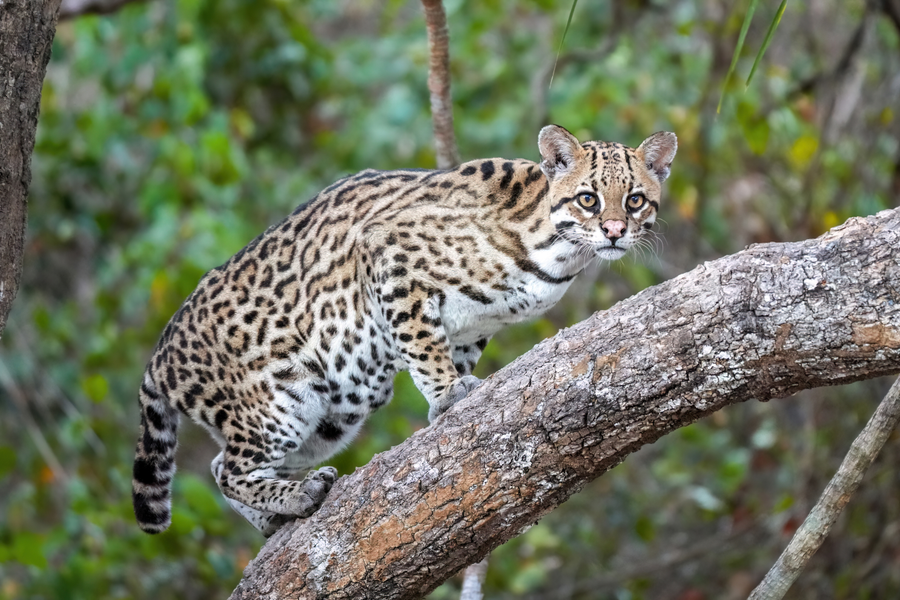
Chain rosettes and streaks break up the ocelot's outline in dappled understory — similar patterning to leopards but on a cat roughly twice the size of a house cat. Each coat is unique, like a fingerprint.
Nocturnal hunter
Ocelots hunt mainly at night, stalking rodents and opossums on the forest floor and occasionally climbing for monkeys or birds. Excellent vision and hearing suit them to dense cover where they travel along game trails.
Texas population
A small breeding population persists in southern Texas shrubland — the only U.S. breeding ocelots outside captivity. Habitat loss to agriculture and roads threatens this isolated group, linked genetically to Mexican populations.
Fur trade legacy
Ocelots were heavily trapped for fur until international protection; coat patterns were mimicked in fashion. Listed Least Concern globally, they still lose forest to soy, cattle, and palm expansion across the Amazon and Atlantic Forest.
Dig deeper into the Ocelot
- How Fast Is An Ocelot?
Ocelot top speed is up to about 55 km/h (34 mph) in ambush pursuit. Sprint vs endurance and what limits pace.
- How Long Do Ocelots Live?
Ocelot lifespan is typically 10–14 years in the wild. What shortens or extends life, life stages, and status (Least Concern).
- Ocelot: Key Facts
The ocelot is a medium-sized spotted cat of Latin American forests, thorn scrub, and Texas borderlands, weighing 8–16 kg (18–35 lb) with a beautiful…
- What Do Ocelots Eat?
What ocelots eat: Carnivore — rodents, rabbits, birds, reptiles, and fish, foraging style, and seasonal shifts in Tropical forest, thorn scrub, and marsh from Texas to Argentina.
- Where Do Ocelots Live?
Where ocelots live: Tropical forest, thorn scrub, and marsh from Texas to Argentina, native range cues, and human overlap. Status Least Concern.
Explore the Ocelot
Compare
Collections
Did you know? Ocelot facts
- The ocelot is a medium-sized spotted cat of Latin American forests, thorn scrub, and Texas borderlands, weighing 8–16 kg (18–35 lb) with a beautiful rosetted coat once prized by the fur trade.
- Ocelots are much smaller — about 12 kg versus 60+ kg for leopards — and live only in the Americas. Patterning looks similar but they are unrelated species.
- Yes — a few dozen wild ocelots breed in southern Texas. They are also kept in zoos but are not native pets.
- No — they are wild cats with specialised needs and are illegal to own in most places. Celebrity ownership in the past harmed conservation awareness.
- Rodents, rabbits, opossums, birds, reptiles, and fish — varied small prey taken by stalking and pouncing.
- Conservation: Least Concern (IUCN).
Diet & feeding
Ocelot feeds primarily as a carnivore — rodents, rabbits, birds, reptiles, and fish. A small breeding population persists in southern Texas shrubland — the only U.S. breeding ocelots outside captivity. Habitat loss to agriculture and roads threatens this isolated group, linked genetically to Mexican populations.
Adaptations
- Chain rosettes and streaks break up the ocelot's outline in dappled understory — similar patterning to leopards but on a cat roughly twice the size of a house cat. Each coat is unique, like a fingerprint.
- Ocelots hunt mainly at night, stalking rodents and opossums on the forest floor and occasionally climbing for monkeys or birds. Excellent vision and hearing suit them to dense cover where they travel along game trails.
Behaviour & ecology
- Chain rosettes and streaks break up the ocelot's outline in dappled understory — similar patterning to leopards but on a cat roughly twice the size of a house cat. Each coat is unique, like a fingerprint.
- Ocelots hunt mainly at night, stalking rodents and opossums on the forest floor and occasionally climbing for monkeys or birds. Excellent vision and hearing suit them to dense cover where they travel along game trails.
- A small breeding population persists in southern Texas shrubland — the only U.S. breeding ocelots outside captivity. Habitat loss to agriculture and roads threatens this isolated group, linked genetically to Mexican populations.
Communication
- Ocelot uses scent, posture, and vocal signals to mark territory and coordinate social behaviour.
- Communication intensity often peaks during breeding seasons and territorial disputes.
Habitat & range
Tropical forest, thorn scrub, and marsh from Texas to Argentina
Ecological role
Ocelot acts as a predator that helps regulate prey populations and maintain balance in tropical forest, thorn scrub, and marsh from texas to argentina.
Conservation status of the Ocelot
The ocelot (Leopardus pardalis) is listed as Least Concern on the IUCN Red List. Least Concern (LC) is the IUCN's lowest-risk category, assigned to widespread, abundant species that have been evaluated and found not to be threatened. It does not mean a species faces no pressures — only that it is not currently at risk of extinction.
The ocelot (Leopardus pardalis) is assessed on the IUCN Red List. Look up on the IUCN Red List .
Frequently asked questions about the Ocelot
Ocelot vs leopard?
Ocelots are much smaller — about 12 kg versus 60+ kg for leopards — and live only in the Americas. Patterning looks similar but they are unrelated species.
Are ocelots in the United States?
Yes — a few dozen wild ocelots breed in southern Texas. They are also kept in zoos but are not native pets.
Can ocelots be pets?
No — they are wild cats with specialised needs and are illegal to own in most places. Celebrity ownership in the past harmed conservation awareness.
What do ocelots eat?
Rodents, rabbits, opossums, birds, reptiles, and fish — varied small prey taken by stalking and pouncing.
Are ocelots endangered?
Globally Least Concern, but the Texas population is Endangered under U.S. law, and some regional populations are declining from habitat loss.
What is a group of ocelots called?
A group of Ocelots is called a clowder.
What is a baby ocelot called?
A baby Ocelot is called a kitten.
Sources & references
This guide is compiled and reviewed against established zoological and conservation references. Key sources for the Ocelot:
-
IUCN Red List of Threatened Species
Conservation status (Least Concern) reflects the IUCN Red List category for Leopardus pardalis.
-
iNaturalist — observations & photos
Search citizen-science observations and community IDs for Leopardus pardalis. Useful for range checks and recent sightings — not a substitute for formal Red List status.
-
GBIF — occurrence data
Global Biodiversity Information Facility species search for Leopardus pardalis. Explore published occurrence records used in range research.
- IUCN Red List — Leopardus pardalis.
Conservation status (Least Concern) and population trends.
- Animal Diversity Web — Leopardus pardalis. University of Michigan Museum of Zoology.
Life history, morphology, and range.
-
Global Animal Guide editorial standards
How we research, source, review, and update every guide for accuracy.