Image sourcing: see credits & licences
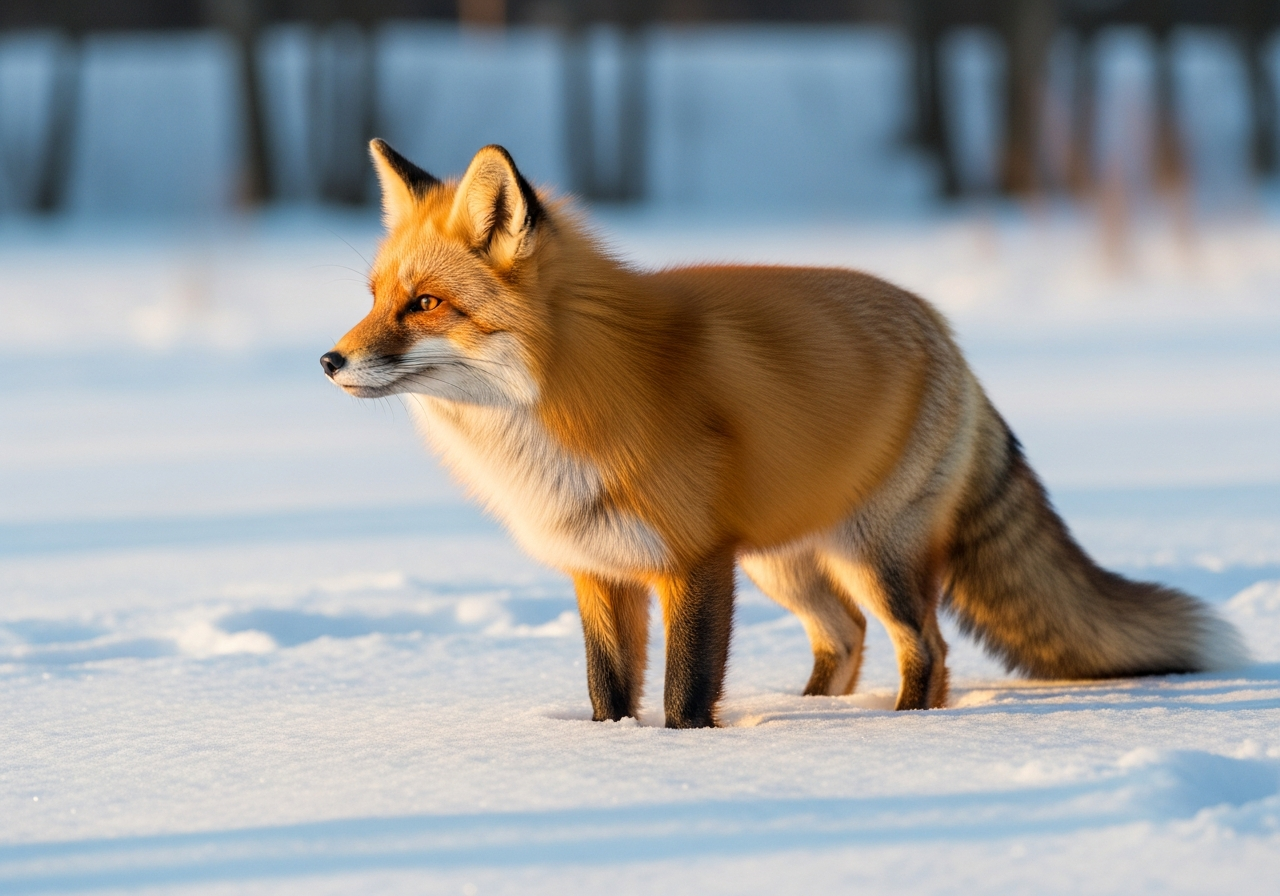
The red fox (Vulpes vulpes) is a mammal of the dog family, Canidae, in the order Carnivora.
Quick answer
The red fox is the largest and most widespread true fox, found across the Northern Hemisphere and adaptable to forests, mountains, farmland, and cities. It is an opportunistic omnivore famous for its intelligence and its distinctive pounce when hunting. Wild red foxes typically live 3 to 5 years.
Top questions about the Red Fox
Red Fox facts at a glance
- Weight 14 kg
- Length 1.1 m
- Top speed 50 km/h
- Lifespan 5 years
| Scientific name | Vulpes vulpes |
|---|---|
| Diet | Omnivore |
| Habitat | Forest, grassland, farmland, urban areas |
| Lifespan | 3–5 years in the wild |
| Weight | 3–7 kg (6.6–15 lb) |
| Top speed | Up to 50 km/h (31 mph) |
| Conservation status | Least Concern (IUCN) |
| Kingdom | Animalia |
|---|---|
| Phylum | Chordata |
| Class | Mammalia |
| Order | Carnivora |
| Family | Canidae |
| Genus | Vulpes |
Where it lives
The red fox (Vulpes vulpes) is native to The most widespread wild carnivore on Earth, across the entire Northern Hemisphere. — recorded across North America, Europe, Asia in this guide’s range summary.
For occurrence records, see GBIF species search and sources below.
How big is a red fox?
An adult red fox measures 1.1 m long — about 64% of the height of an average adult person (1.73 m) — and weighs around 14 kg, about 20% of an average adult’s body weight (70 kg).
Length vs an average adult’s height (to scale)
What is a group of red foxes called?
Group name (collective noun)
A group of Red Foxes is called a skulk. It is also known as a leash.
Baby name
A baby Red Fox is called a kit. It may also be called a cub or a pup.
Explore more animal collective nouns and baby animal names .
Adaptability
The red fox is one of the most adaptable mammals on Earth, thriving everywhere from Arctic tundra to busy cities. Its success comes from a flexible diet, sharp senses, and a willingness to live close to people, making it a common sight even in urban areas.
Diet and the pounce
Red foxes are omnivores that eat rodents, rabbits, birds, insects, fruit, and scraps. They use a famous high-arcing pounce to catch prey hidden under grass or snow, and may even use the Earth's magnetic field to help judge the distance.
Behavior
Foxes are mostly solitary or live in small family groups. They communicate with a wide range of vocalizations, scent marks, and body language, and they cache surplus food by burying it for later, remembering the locations with impressive accuracy.
Conservation
The red fox is listed as Least Concern and is not threatened. Its range is actually expanding in many regions, and it has been introduced to areas such as Australia, where it can become a damaging invasive predator.
Dig deeper into the Red Fox
- Red Fox: Key Facts
The red fox is the largest and most widespread true fox, found across the Northern Hemisphere and adaptable to forests, mountains, farmland, and cities.
- How Fast Is A Red Fox?
Red Fox top speed is up to about 50 km/h (31 mph). Sprint vs endurance and what limits pace.
- How Long Do Red Foxs Live?
Red Fox lifespan is typically 3–5 years in the wild. What shortens or extends life, life stages, and status (Least Concern).
- What Do Red Foxs Eat?
What red foxs eat: Omnivore, foraging style, and seasonal shifts in Forest, grassland, farmland, urban areas.
- Where Do Red Foxs Live?
Where red foxs live: Forest, grassland, farmland, urban areas, native range cues, and human overlap. Status Least Concern.
Explore the Red Fox
Close relatives
- Arctic Fox Same genus
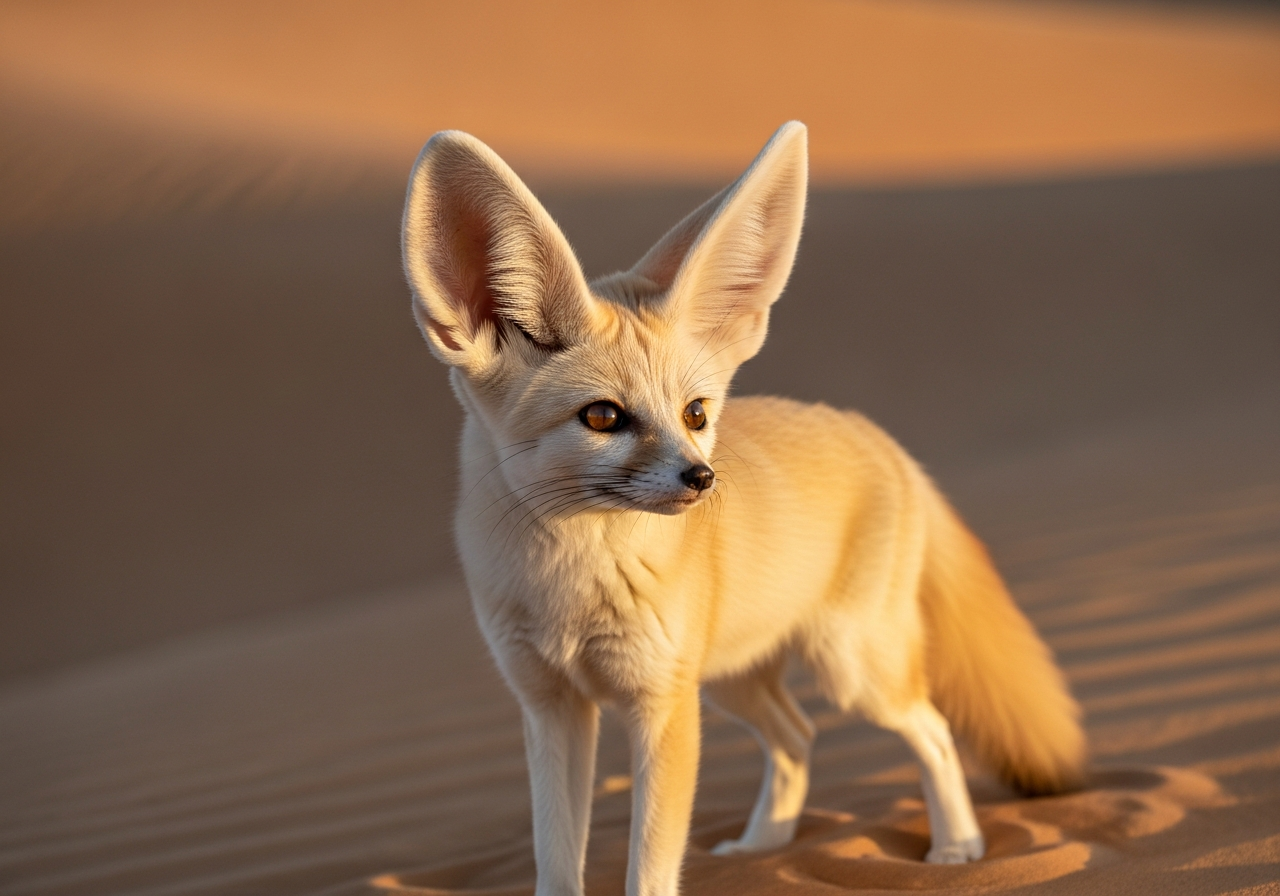
- Fennec Fox Same genus
- Dog Same family
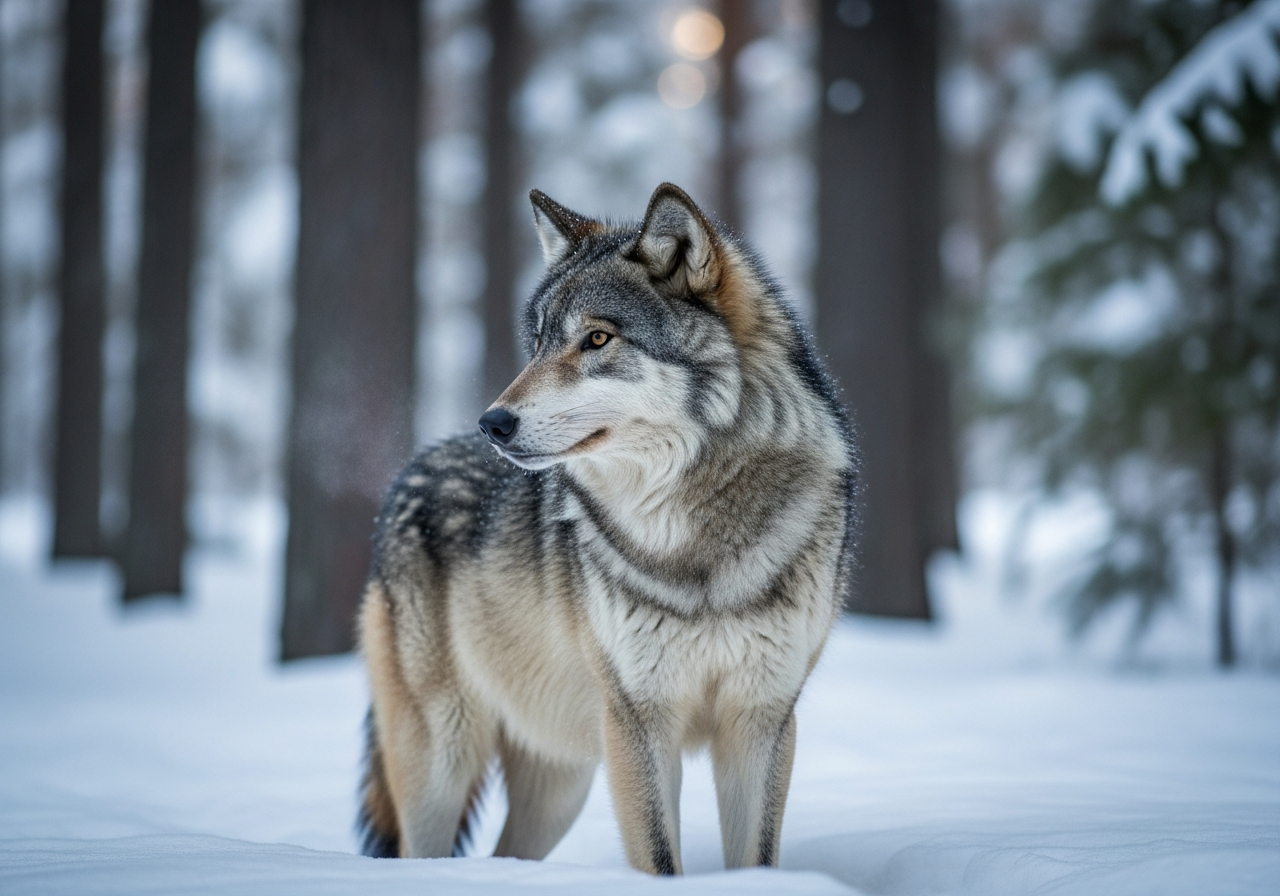
- Gray Wolf Same family
Range & geography
Did you know? Red Fox facts
- The red fox is the most widespread wild carnivore on Earth, found across the Northern Hemisphere.
- It can hear a mouse squeak from about 100 m and low-frequency digging underground.
- Foxes use Earth's magnetic field to help judge pounce distance on hidden prey.
- A red fox's pounce on snow-covered prey is one of nature's iconic hunting moves.
- They thrive in cities as well as countryside, eating almost anything.
- Despite the name, red foxes come in silver, cross, and other colour morphs.
Diet & feeding
Red foxes are omnivores, eating small mammals, birds, insects, earthworms, fruit, and human refuse; rodents and rabbits form the dietary core in most regions.
Adaptations
- Acute, directional hearing locates prey moving under snow or soil. (Nowak 1999)
- A lightweight frame and long legs allow the high, arcing 'mousing' pounce.
- A bushy tail aids balance and provides warmth wrapped around the body.
- An omnivorous, flexible diet underlies the fox's success in many habitats.
Behaviour & ecology
- Red foxes are mostly solitary hunters but form family groups while raising kits.
- They cache surplus food, burying it to retrieve later.
- Territories are defended and advertised with scent and vocalisations.
- Foxes are highly adaptable, exploiting urban as well as rural food sources.
Communication
- A varied repertoire includes barks, screams, and a distinctive 'vixen's scream'.
- Scent-marking with urine and scat maps territory and food caches.
- Body and tail postures signal mood during encounters.
Habitat & range
Red foxes occupy nearly every habitat across the Northern Hemisphere — forest, grassland, tundra, farmland, and cities — one of the most adaptable of all mammals.
Ecological role
As a generalist mesopredator, the red fox controls rodent and rabbit numbers and disperses seeds, while filling a flexible niche in both wild and urban ecosystems.
Conservation status of the Red Fox
The red fox (Vulpes vulpes) is listed as Least Concern on the IUCN Red List. Least Concern (LC) is the IUCN's lowest-risk category, assigned to widespread, abundant species that have been evaluated and found not to be threatened. It does not mean a species faces no pressures — only that it is not currently at risk of extinction.
Main threats to the red fox
- Persecution and lethal control in some regions
- Vehicle collisions
- Disease (e.g. mange, rabies) locally
- Secondary poisoning
Red Fox (Vulpes vulpes) was most recently assessed for the IUCN Red List in 2023. View the full IUCN assessment .
Frequently asked questions about the Red Fox
What do red foxes eat?
Red foxes are omnivores that eat rodents, rabbits, birds, insects, fruit, and human food scraps. Their flexible diet helps them survive in many different environments.
Where do red foxes live?
Red foxes are the most widespread wild carnivore, living across the Northern Hemisphere in forests, mountains, grasslands, farmland, and even cities.
How long do red foxes live?
Wild red foxes usually live just 3 to 5 years due to disease, predators, and traffic. In captivity, they can live up to 14 years.
Are red foxes dangerous to humans?
Red foxes are generally shy and pose little threat to people. They rarely approach humans and usually flee when encountered, though they may take small pets or poultry.
Why do foxes pounce when hunting?
Foxes use a high, arcing pounce to drop down on prey hidden beneath grass or snow. This 'mousing' technique lets them strike accurately even when they cannot see the animal.
Are red foxes related to dogs?
Yes. Red foxes belong to the dog family, Canidae, which also includes wolves, coyotes, and domestic dogs, though foxes are not closely related enough to interbreed with them.
What is a group of red foxes called?
A group of Red Foxes is called a skulk. It is also known as a leash.
What is a baby red fox called?
A baby Red Fox is called a kit. It may also be called a cub or a pup.
Sources & references
This guide is compiled and reviewed against established zoological and conservation references. Key sources for the Red Fox:
-
IUCN Red List of Threatened Species
Conservation status (Least Concern) reflects the IUCN Red List category for Vulpes vulpes, most recently assessed in 2023.
-
iNaturalist — observations & photos
Search citizen-science observations and community IDs for Vulpes vulpes. Useful for range checks and recent sightings — not a substitute for formal Red List status.
-
GBIF — occurrence data
Global Biodiversity Information Facility species search for Vulpes vulpes. Explore published occurrence records used in range research.
- Hoffmann, M. & Sillero-Zubiri, C. (2021). Vulpes vulpes. IUCN Red List of Threatened Species.
Status (Least Concern) and range.
- Nowak, R. M. (1999). Walker's Mammals of the World (6th ed.). Johns Hopkins University Press.
Biology and behaviour.
- Animal Diversity Web — Vulpes vulpes. University of Michigan Museum of Zoology.
Life history, morphology, and range.
-
Global Animal Guide editorial standards
How we research, source, review, and update every guide for accuracy.