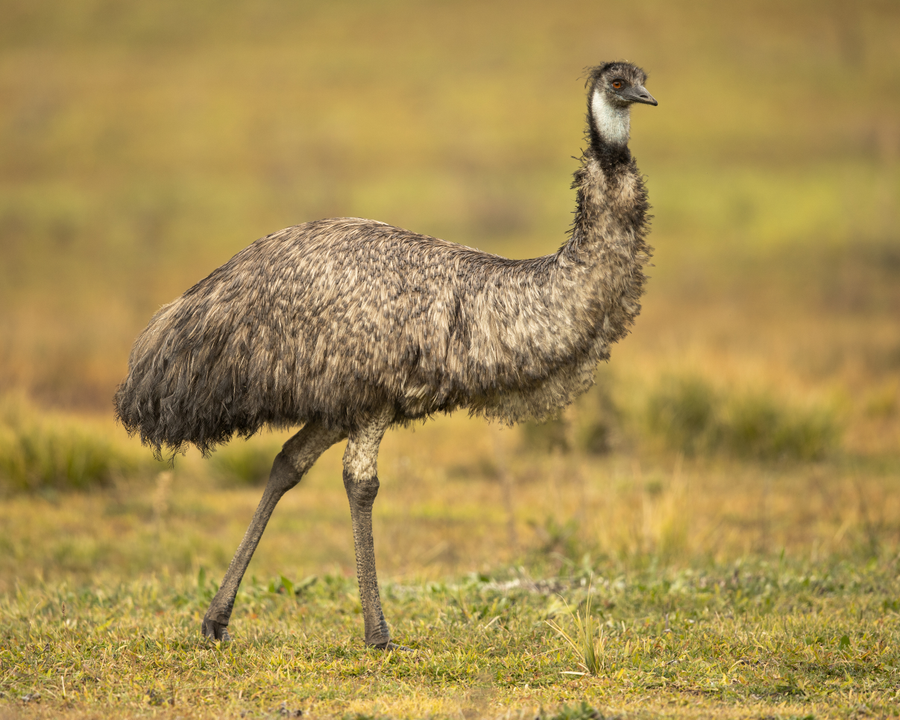
The emu (Dromaius novaehollandiae) is a bird of the family Casuariidae, in the order Casuariiformes.
Quick answer
The emu is a large flightless bird native to Australia, second only to the ostrich in height among living birds. It stands up to 1.9 m tall, weighs around 40 kg, and roams grassland, woodland, and scrub as an omnivore. Emus can run at up to 50 km/h on their powerful legs and typically live 10 to 20 years. The species is listed as Least Concern.
Top questions about the Emu
Also available in Español (Emú)
Emu facts at a glance
- Weight 40 kg
- Length 1.9 m
- Top speed 50 km/h
- Lifespan 20 years
| Scientific name | Dromaius novaehollandiae |
|---|---|
| Diet | Omnivore — plants, seeds, insects, and fruit |
| Habitat | Australian grasslands, woodland, and scrub |
| Lifespan | 10–20 years in the wild |
| Weight | 30–45 kg (66–99 lb); males slightly smaller |
| Top speed | Up to 50 km/h (31 mph); powerful legs |
| Conservation status | Least Concern (IUCN) |
| Kingdom | Animalia |
|---|---|
| Phylum | Chordata |
| Class | Aves |
| Order | Casuariiformes |
| Family | Casuariidae |
| Genus | Dromaius |
Where it lives
The emu (Dromaius novaehollandiae) is native to Mainland Australia except dense rainforest — grasslands, woodland, and desert margins. — recorded across Oceania in this guide’s range summary.
For occurrence records, see GBIF species search and sources below.
How big is a emu?
An adult emu measures 1.9 m long — about 1.1× the height of an average adult person (1.73 m) — and weighs around 40 kg, about 57% of an average adult’s body weight (70 kg).
Length vs an average adult’s height (to scale)
What is a group of emus called?
Group name (collective noun)
A group of Emus is called a mob.
Baby name
A baby Emu is called a chick.
Explore more animal collective nouns and baby animal names .
Size and appearance
The emu is Australia's tallest native bird and the second-largest bird alive, reaching about 1.9 m in height and weighing roughly 40 kg. Its shaggy grey-brown plumage hangs loosely and helps insulate the body against both desert heat and cold nights. The wings are reduced to tiny stubs, useless for flight, but the long, three-toed legs are exceptionally strong. Bare blue skin on the neck becomes more vivid during the breeding season.
Diet and foraging
Emus are omnivores that wander widely in search of food, eating seeds, fruit, flowers, fresh shoots, and a range of insects and other small invertebrates. They follow seasonal rainfall across the continent, timing their movements to reach areas where plants are fruiting and seeding. Like many birds, they swallow small stones that sit in the gizzard and help grind up tough plant matter. An emu can go for long stretches without water but will drink heavily when it finds a source.
Movement and speed
Although it cannot fly, the emu is built for travel across open country and can sprint at up to 50 km/h. Its long stride lets it cover great distances at an economical pace, and populations may move hundreds of kilometres over a year in response to food and rain. The muscular legs also deliver a powerful forward kick, the bird's main defence against predators such as dingoes. Emus are strong swimmers and will cross rivers when needed.
Breeding and the role of the male
Emu breeding reverses the usual roles: the female lays a clutch of large dark-green eggs and then often leaves to mate again, while the male takes over incubation. The sitting male barely eats or drinks for around eight weeks, living off stored body fat until the chicks hatch. He then guards and raises the striped youngsters for up to eighteen months, teaching them where to find food. This intense paternal care is one of the emu's most distinctive traits.
Emus and people
The emu is a national symbol of Australia and appears on the country's coat of arms alongside the kangaroo. Farmed populations are raised for lean meat, oil, and leather, and the bird features prominently in Aboriginal stories and star lore. Wild emus are sometimes seen as pests where they enter farmland, and the famous 1932 "Emu War" saw soldiers struggle to control large flocks. Despite this, the species remains widespread and abundant across most of the mainland.
Conservation status
The emu is listed as Least Concern by the IUCN, with a large and stable population across mainland Australia. It adapts well to farmland and disturbed country, which has helped it thrive where more specialised species have declined. Several smaller island subspecies were driven to extinction after European settlement, but the mainland bird is in no danger. Wild emus typically live 10 to 20 years.
Dig deeper into the Emu
- Emu: Key Facts
The emu is the world's second-tallest bird after the ostrich, reaching 1.9 metres and 40 kg, sprinting 50 km/h across Australian outback.
- How Fast Is An Emu?
Emu top speed is up to about 50 km/h (31 mph); powerful legs. Sprint vs endurance and what limits pace.
- How Long Do Emus Live?
Emu lifespan is typically 10–20 years in the wild. What shortens or extends life, life stages, and status (Least Concern).
- What Do Emus Eat?
What emus eat: Omnivore — plants, seeds, insects, and fruit, foraging style, and seasonal shifts in Australian grasslands, woodland, and scrub.
- Where Do Emus Live?
Where emus live: Australian grasslands, woodland, and scrub, native range cues, and human overlap. Status Least Concern.
Explore the Emu
Compare
Close relatives
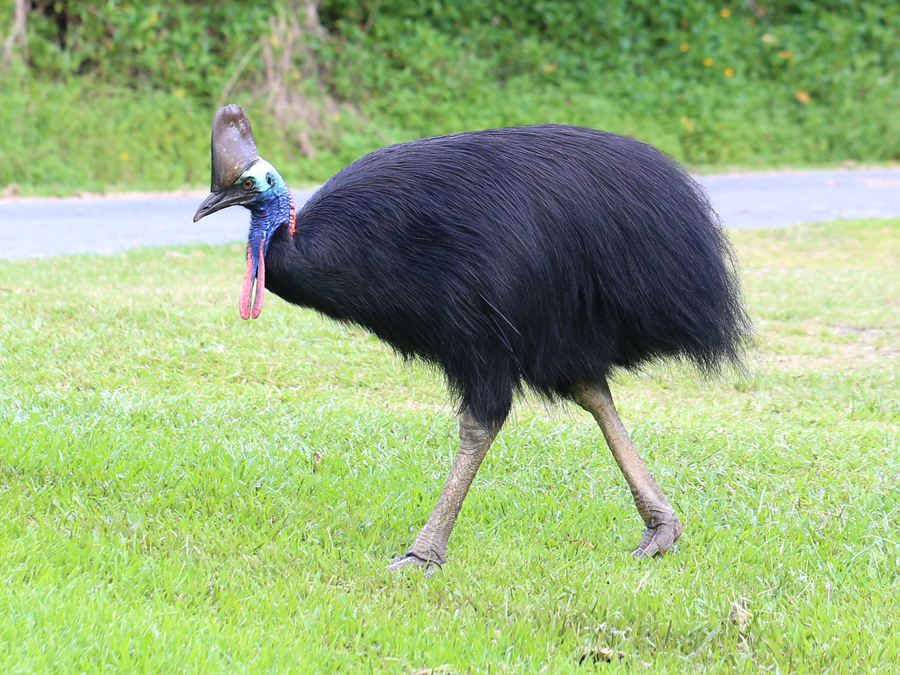
- Southern Cassowary Same family
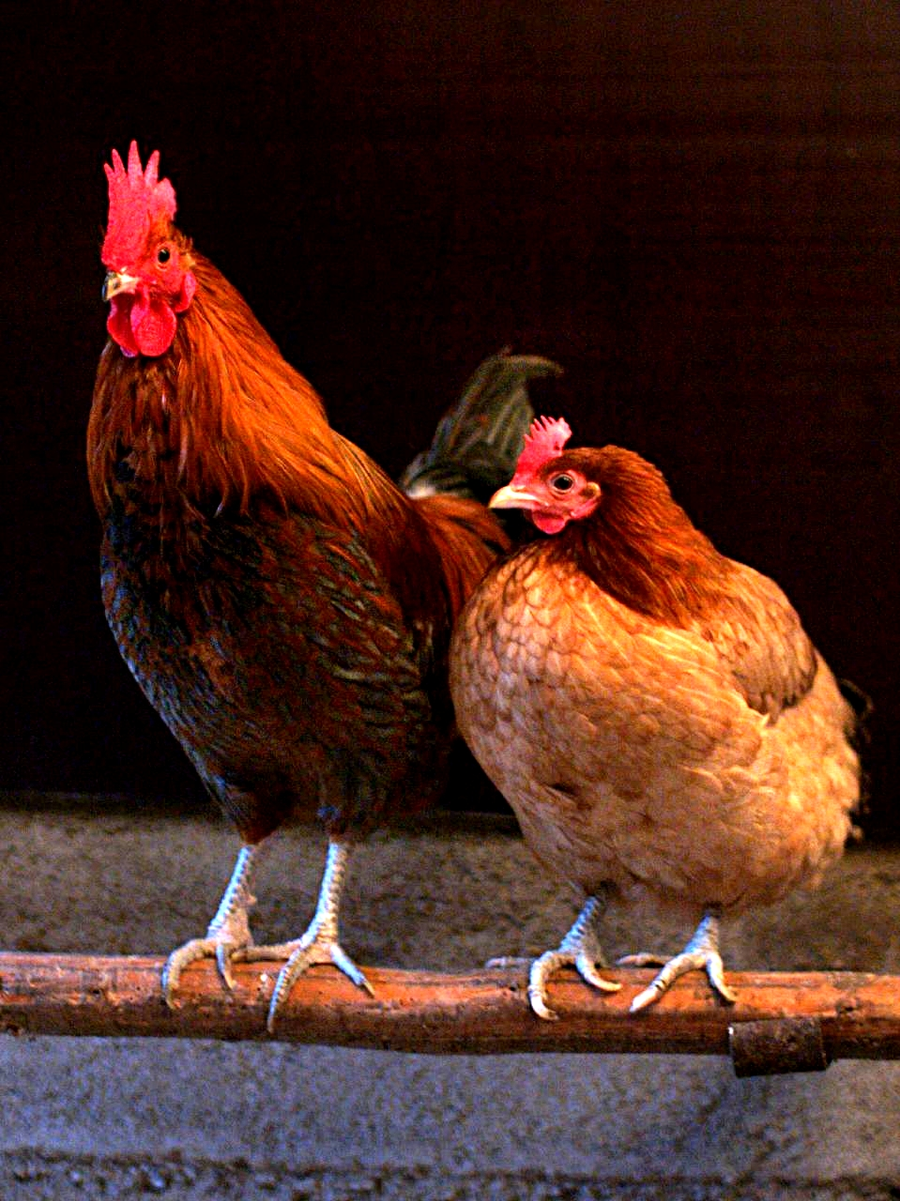
- Chicken Same class
- Wandering Albatross Same class
- California Condor Same class
Range & geography
Did you know? Emu facts
- Emus are the world's second-tallest birds, reaching 1.9 metres.
- Ostriches are larger and African; emus are smaller with softer feathers.
- Powerful kicks can injure — keep distance during breeding season.
- Conservation: Least Concern.
Diet & feeding
Emu feeds primarily as a plants, seeds, insects.
Adaptations
- Reduced wings stabilise sprints and cool the bird by flapping.
- The 1932 emu cull was a minor pest-control operation, not a real war.
Behaviour & ecology
- Reduced wings stabilise sprints and cool the bird by flapping.
- The 1932 emu cull was a minor pest-control operation, not a real war.
Communication
- Emu uses calls and visual displays to communicate territory, alarm, and breeding status.
- Vocal repertoires vary by species and are often learned or refined during development.
Habitat & range
Australian grasslands and woodland
Ecological role
Emu contributes to seed dispersal, insect control, or nutrient cycling depending on diet and foraging habits.
Conservation status of the Emu
The emu (Dromaius novaehollandiae) is listed as Least Concern on the IUCN Red List. Least Concern (LC) is the IUCN's lowest-risk category, assigned to widespread, abundant species that have been evaluated and found not to be threatened. It does not mean a species faces no pressures — only that it is not currently at risk of extinction.
The emu (Dromaius novaehollandiae) is assessed on the IUCN Red List. Look up on the IUCN Red List .
Frequently asked questions about the Emu
How tall is an emu?
An emu stands up to about 1.9 m tall, making it the tallest bird native to Australia and the second-tallest living bird after the ostrich. Adults weigh roughly 40 kg.
Can emus fly?
No. Emus are flightless, with wings reduced to small stubs. Instead of flying they rely on their long, powerful legs, which let them run at up to 50 km/h and deliver a strong defensive kick.
What do emus eat?
Emus are omnivores. They feed on seeds, fruit, flowers, and fresh plant shoots, along with insects and other small invertebrates, and they swallow small stones to help grind food in the gizzard.
How fast can an emu run?
An emu can reach speeds of up to 50 km/h (31 mph) over open ground. Its long stride also lets it travel long distances at a steady, energy-efficient pace.
Do male or female emus raise the chicks?
The male does almost all the work. After the female lays the eggs, the male incubates them for around eight weeks with little food or water, then guards and raises the chicks for up to eighteen months.
How long do emus live?
Wild emus typically live 10 to 20 years. Birds in captivity or on farms, protected from predators, often reach the upper end of that range or beyond.
What is a group of emus called?
A group of Emus is called a mob.
What is a baby emu called?
A baby Emu is called a chick.
Sources & references
This guide is compiled and reviewed against established zoological and conservation references. Key sources for the Emu:
-
IUCN Red List of Threatened Species
Conservation status (Least Concern) reflects the IUCN Red List category for Dromaius novaehollandiae.
-
iNaturalist — observations & photos
Search citizen-science observations and community IDs for Dromaius novaehollandiae. Useful for range checks and recent sightings — not a substitute for formal Red List status.
-
GBIF — occurrence data
Global Biodiversity Information Facility species search for Dromaius novaehollandiae. Explore published occurrence records used in range research.
-
eBird — bird observations
Cornell Lab eBird target search for Emu. Check recent checklists and seasonal abundance where birders report this species.
- IUCN Red List — Dromaius novaehollandiae.
Conservation status (Least Concern) and population trends.
- Animal Diversity Web — Dromaius novaehollandiae. University of Michigan Museum of Zoology.
Life history, morphology, and range.
-
Global Animal Guide editorial standards
How we research, source, review, and update every guide for accuracy.