Image sourcing: see credits & licences
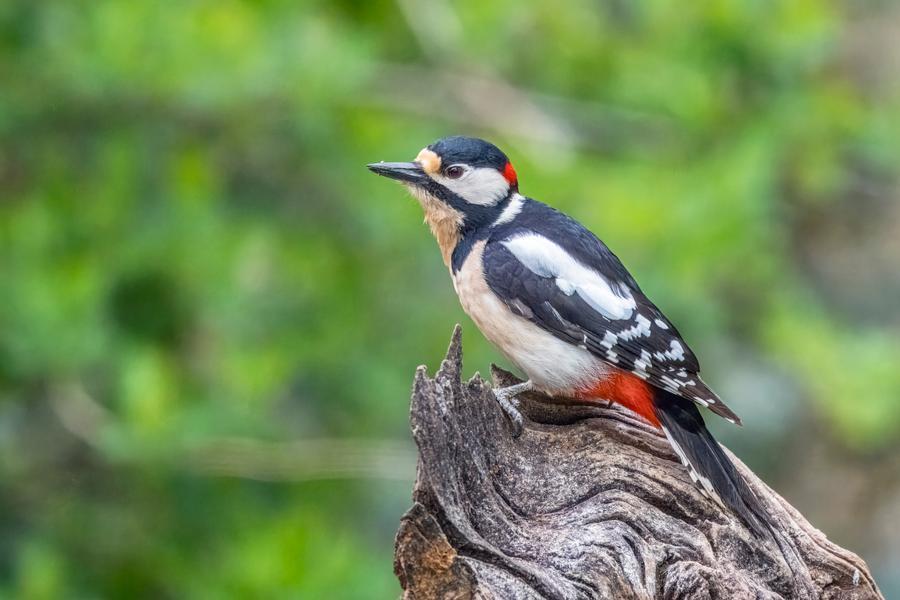
The great spotted woodpecker (Dendrocopos major) is a bird of the woodpecker family, Picidae, in the order Piciformes.
Quick answer
The great spotted woodpecker (Dendrocopos major) is a striking black-and-white bird with a red patch beneath the tail, found in woodlands and parks across Eurasia and North Africa. About 24 cm long and weighing only 70 to 100 g, it is best known for its rapid drumming on tree trunks. It feeds on insects, larvae, and seeds, and can live up to eleven years in the wild.
Top questions about the Great Spotted Woodpecker
Great Spotted Woodpecker facts at a glance
- Weight 100 g
- Length 24 cm
- Top speed 24 km/h
- Lifespan 11 years
| Scientific name | Dendrocopos major |
|---|---|
| Diet | Carnivore — insects, larvae, seeds, and nestlings |
| Habitat | Woodlands and parks across Eurasia and North Africa |
| Lifespan | 8–11 years in the wild |
| Weight | 70–100 g (0.07–0.1 kg) |
| Top speed | Up to 24 km/h (15 mph) in undulating flight |
| Conservation status | Least Concern (IUCN) |
| Kingdom | Animalia |
|---|---|
| Phylum | Chordata |
| Class | Aves |
| Order | Piciformes |
| Family | Picidae |
| Genus | Dendrocopos |
Where it lives
The great spotted woodpecker (Dendrocopos major) is native to Great spotted woodpecker across Eurasia from Britain to Japan and North Africa in woodland and parks. — recorded across Africa, Asia, Europe in this guide’s range summary.
For occurrence records, see GBIF species search and sources below.
How big is a great spotted woodpecker?
An adult great spotted woodpecker measures 24 cm long — about 14% of the height of an average adult person (1.73 m) — and weighs around 100 g, a small fraction of an average adult’s body weight (70 kg).
Length vs an average adult’s height (to scale)
What is a group of great spotted woodpeckers called?
Group name (collective noun)
A group of Great Spotted Woodpeckers is called a descent.
Baby name
A baby Great Spotted Woodpecker is called a chick.
Explore more animal collective nouns and baby animal names .
Drumming and communication
The great spotted woodpecker is famous for its drumming — a rapid burst of hammering against a dead branch or trunk that can reach around ten to twenty strikes in less than a second. Unlike pecking for food, drumming is a form of communication used to claim territory and attract a mate, ringing out most often in late winter and spring. Both sexes drum, and the sound can carry a long way through quiet woodland. It is one of the defining sounds of a European forest in early spring.
Feeding and foraging
This woodpecker uses its powerful, chisel-like bill to excavate insects and grubs from beneath tree bark and rotten wood. Its long, sticky tongue can reach deep into crevices to extract larvae, while its stiff tail feathers brace it upright against the trunk. In autumn and winter it turns increasingly to seeds and nuts, often wedging a pine cone into a bark crevice — a favoured spot known as an anvil — to hammer it open. It will also raid nest boxes and take the eggs and chicks of smaller birds.
How it avoids brain injury
Hammering into solid wood thousands of times a day generates forces that would concuss most animals, yet the woodpecker is remarkably well protected. Its skull has spongy, shock-absorbing bone, and a specialised bone structure called the hyoid wraps around the skull to help cushion impacts. The brain is small, tightly packed, and oriented to spread the force of each blow. These adaptations let the bird drum and excavate without harming itself.
Nesting and breeding
Great spotted woodpeckers excavate a fresh nest hole each spring, chiselling a neat cavity into a tree trunk over one to three weeks. The female lays a clutch of around four to seven white eggs, which both parents incubate before feeding the noisy chicks. Young birds fledge after roughly three weeks and can be recognised by a full red cap, which they lose as they mature. The abandoned nest holes later provide shelter for other birds and small mammals.
Appearance and identification
About the size of a blackbird, the great spotted woodpecker has bold black-and-white plumage, large white shoulder patches, and a crimson patch under the tail. Males also carry a small red patch on the back of the head, which females lack, while juveniles have an entirely red crown. Its flight is distinctively undulating, rising and dipping as it bounds between trees at up to 24 km/h (15 mph). This combination makes it one of the most recognisable woodland birds in its range.
Range and status
The species is widespread across the woodlands, parks, and gardens of Eurasia and North Africa, and it readily visits garden feeders in winter. It has adapted well to human-altered landscapes and its population is stable or increasing across much of its range. The IUCN lists it as Least Concern, and wild birds can live up to eleven years. Mature woodland with plenty of dead timber is its ideal habitat.
Dig deeper into the Great Spotted Woodpecker
- How Long Do Great Spotted Woodpeckers Live?
Great Spotted Woodpecker lifespan is typically 8–11 years in the wild. What shortens or extends life, life stages, and status (Least Concern).
- What Do Great Spotted Woodpeckers Eat?
What great spotted woodpeckers eat: Carnivore — insects, larvae, seeds, and nestlings, foraging style, and seasonal shifts in Woodlands and parks across Eurasia and North Africa.
- Where Do Great Spotted Woodpeckers Live?
Where great spotted woodpeckers live: Woodlands and parks across Eurasia and North Africa, native range cues, and human overlap. Status Least Concern.
- Woodpecker Drumming Communication
The great spotted woodpecker drums on resonant wood to advertise territory and chisels insects from bark, weighing about 100 g and living 11 years.
- Woodpecker Shock Absorption
The great spotted woodpecker drums on resonant wood to advertise territory and chisels insects from bark, weighing about 100 g and living 11 years.
Explore the Great Spotted Woodpecker
Close relatives
- Toco Toucan Same order
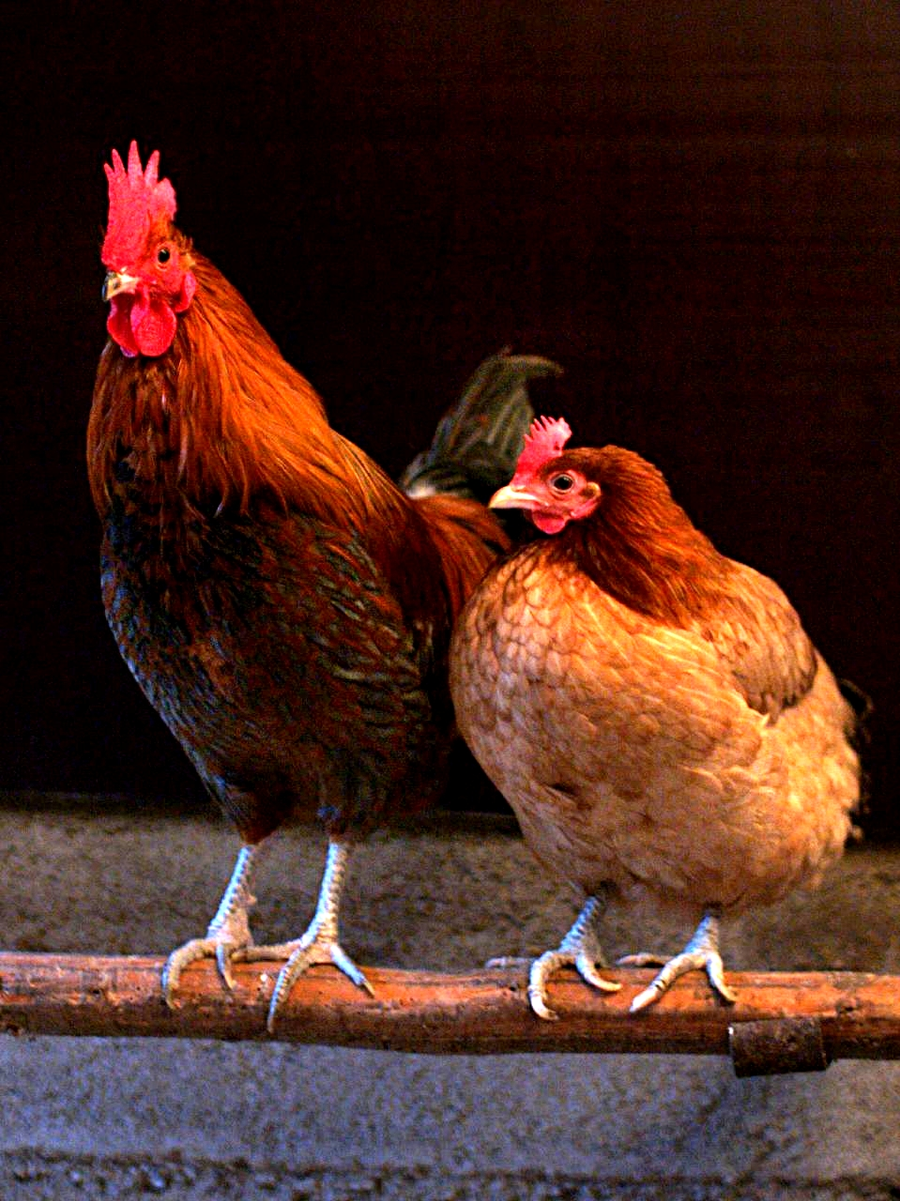
- Chicken Same class
- Wandering Albatross Same class
- Southern Cassowary Same class
Did you know? Great Spotted Woodpecker facts
- Great spotted woodpeckers drum on resonant wood to advertise territory and chisel insects from bark.
- Drumming on gutters and siding amplifies sound for territory display.
- Specialised anatomy prevents brain injury despite thousands of pecks daily.
- Conservation: Least Concern.
Diet & feeding
Great Spotted Woodpecker feeds primarily as a insects, seeds, nestlings. Rapid pecks create territorial sound without exhausting the bird.
Adaptations
- Rapid pecks create territorial sound without exhausting the bird.
- Hyoid bone wraps around the skull to cushion the brain during pecking.
Behaviour & ecology
- Rapid pecks create territorial sound without exhausting the bird.
- Hyoid bone wraps around the skull to cushion the brain during pecking.
Communication
- Great Spotted Woodpecker uses calls and visual displays to communicate territory, alarm, and breeding status.
- Vocal repertoires vary by species and are often learned or refined during development.
Habitat & range
Woodlands and parks across Eurasia
Ecological role
Great Spotted Woodpecker contributes to seed dispersal, insect control, or nutrient cycling depending on diet and foraging habits.
Conservation status of the Great Spotted Woodpecker
The great spotted woodpecker (Dendrocopos major) is listed as Least Concern on the IUCN Red List. Least Concern (LC) is the IUCN's lowest-risk category, assigned to widespread, abundant species that have been evaluated and found not to be threatened. It does not mean a species faces no pressures — only that it is not currently at risk of extinction.
The great spotted woodpecker (Dendrocopos major) is assessed on the IUCN Red List. Look up on the IUCN Red List .
Frequently asked questions about the Great Spotted Woodpecker
Why do woodpeckers drum on trees?
Drumming is mainly a form of communication, not feeding. Woodpeckers hammer rapidly on resonant dead wood to advertise their territory and attract a mate, especially in late winter and spring.
How do woodpeckers not get concussed?
Woodpeckers have spongy, shock-absorbing skull bone and a specialised hyoid bone structure that wraps around the skull to cushion impacts. Their small, tightly packed brain also helps spread the force of each blow.
What do great spotted woodpeckers eat?
They eat mainly insects and larvae dug from bark and dead wood, extracted with a long, sticky tongue. In winter they switch to seeds and nuts, and they will also take the eggs and chicks of other birds.
How can you tell a male great spotted woodpecker from a female?
Males have a small red patch on the back of the head, which females lack. Juveniles of both sexes have a full red crown that they lose as they mature.
How long do great spotted woodpeckers live?
In the wild they typically live around eight to eleven years. They are widespread and their numbers are stable, so the IUCN lists them as Least Concern.
Do great spotted woodpeckers visit garden feeders?
Yes, especially in autumn and winter, when they are drawn to peanuts, fat, and seeds. They are a familiar and welcome sight at garden feeding stations across their range.
What is a group of great spotted woodpeckers called?
A group of Great Spotted Woodpeckers is called a descent.
What is a baby great spotted woodpecker called?
A baby Great Spotted Woodpecker is called a chick.
Sources & references
This guide is compiled and reviewed against established zoological and conservation references. Key sources for the Great Spotted Woodpecker:
-
IUCN Red List of Threatened Species
Conservation status (Least Concern) reflects the IUCN Red List category for Dendrocopos major.
-
iNaturalist — observations & photos
Search citizen-science observations and community IDs for Dendrocopos major. Useful for range checks and recent sightings — not a substitute for formal Red List status.
-
GBIF — occurrence data
Global Biodiversity Information Facility species search for Dendrocopos major. Explore published occurrence records used in range research.
-
eBird — bird observations
Cornell Lab eBird target search for Great Spotted Woodpecker. Check recent checklists and seasonal abundance where birders report this species.
- IUCN Red List — Dendrocopos major.
Conservation status (Least Concern) and population trends.
- Animal Diversity Web — Dendrocopos major. University of Michigan Museum of Zoology.
Life history, morphology, and range.
-
Global Animal Guide editorial standards
How we research, source, review, and update every guide for accuracy.